Pumpkin is everywhere in modern autumn baking — muffins, pies, breads, cookies, even lattes. But its roots in American kitchens go much deeper than a seasonal craze. Baking with pumpkin is a tradition older than the United States itself, born from resourcefulness, survival, and the ingenuity of early cooks.
From fireside stews to Thanksgiving centrepieces, pumpkin has long held a quiet but vital place in the story of home baking.
Native Origins
Long before ovens or pie tins, Native American communities cultivated pumpkins along with other squash varieties. These early pumpkins weren’t particularly sweet, but they were hardy, nutritious, and grew well across North America’s diverse climates.
Indigenous people roasted strips of pumpkin over open fires, dried them for long-term storage, or mashed them into stews and breads. Pumpkin was valued not just as a food source, but as a vital part of sustainable seasonal living.
When European settlers arrived, they quickly learned from Native Americans how to grow and cook with pumpkins. For colonists facing harsh winters and limited food supplies, pumpkin became a staple — a survival ingredient that could be transformed into nourishing meals with few additional resources.
Colonial “Pumpkin Pie”
The pumpkin pie as we know it didn’t exist in the 1600s. Early colonial versions were far more rustic and improvised. Some cooks hollowed out whole pumpkins, filled them with milk, honey, and spices, and roasted them in the hearth. These were closer to custards baked inside a squash than a modern pie.
Others combined mashed pumpkin with cornmeal to make a hearty early form of quick bread. Pumpkin was viewed as both sustenance and necessity.
A 17th-century poem captures the sentiment of the time:
“For pottage and puddings and custards and pies, Our pumpkins and parsnips are common supplies.”
These early makeshift pies laid the groundwork for what would become a distinctly American dessert.
From Field to Pie Crust
By the 18th century, with brick ovens becoming more common and imported spices like cinnamon, ginger, and nutmeg more accessible, pumpkin pie began to take its modern form.
In 1796, American Cookery by Amelia Simmons — the first known American-authored cookbook — included two pumpkin pie recipes, using ingredients like eggs, cream, and sugar. This marked pumpkin as a familiar and beloved ingredient in early American baking.
Through the 19th century, pumpkin pies became fixtures of harvest festivals and Thanksgiving tables, further cementing their role in American cultural identity.
From Harvest to Halloween: The Pumpkin’s Spooky Turn
While pumpkin was deeply tied to harvest and Thanksgiving, its connection to Halloween began later — and it started not with pumpkins, but turnips.
In ancient Celtic traditions, especially in Ireland and Scotland, people carved faces into turnips or large root vegetables to create lanterns for Samhain, a festival marking the end of the harvest and the beginning of winter. These were believed to ward off evil spirits.
When Irish immigrants arrived in the United States in the 1800s, they discovered the pumpkin — larger, easier to carve, and far more visually striking. Over time, the turnip lantern tradition transformed into the pumpkin jack-o’-lantern we know today.
By the early 20th century, jack-o’-lanterns had become symbols of Halloween, often carved with frightening faces and placed on porches to spook trick-or-treaters.
While not originally linked to baking, this new identity added to the pumpkin’s seasonal charm — and soon, autumn cookbooks began pairing pumpkin cookies and cakes with Halloween festivities.
Canned Convenience and the Pumpkin Boom
The true turning point for pumpkin baking came in the early 20th century with the introduction of canned pumpkin.
Before this, making pumpkin purée involved roasting, scooping, straining, and mashing — a time-consuming process. Canned pumpkin transformed that into a single step. Home bakers could now make pies, breads, and cakes quickly, without compromising flavour.
In the 1920s, Libby’s introduced their now-iconic canned pumpkin, using a specially bred variety known as Dickinson pumpkin (technically a squash). Their pie recipe, printed on every can since the 1950s, remains one of the most widely used holiday recipes in the country.
Pumpkin Today: Tradition Meets Trend
Today, pumpkin baking is part tradition, part nostalgia, and part trend. While “pumpkin spice” may be a modern marketing invention, the core idea — combining pumpkin with warm spices and soft, sweet doughs — has deep historical roots.
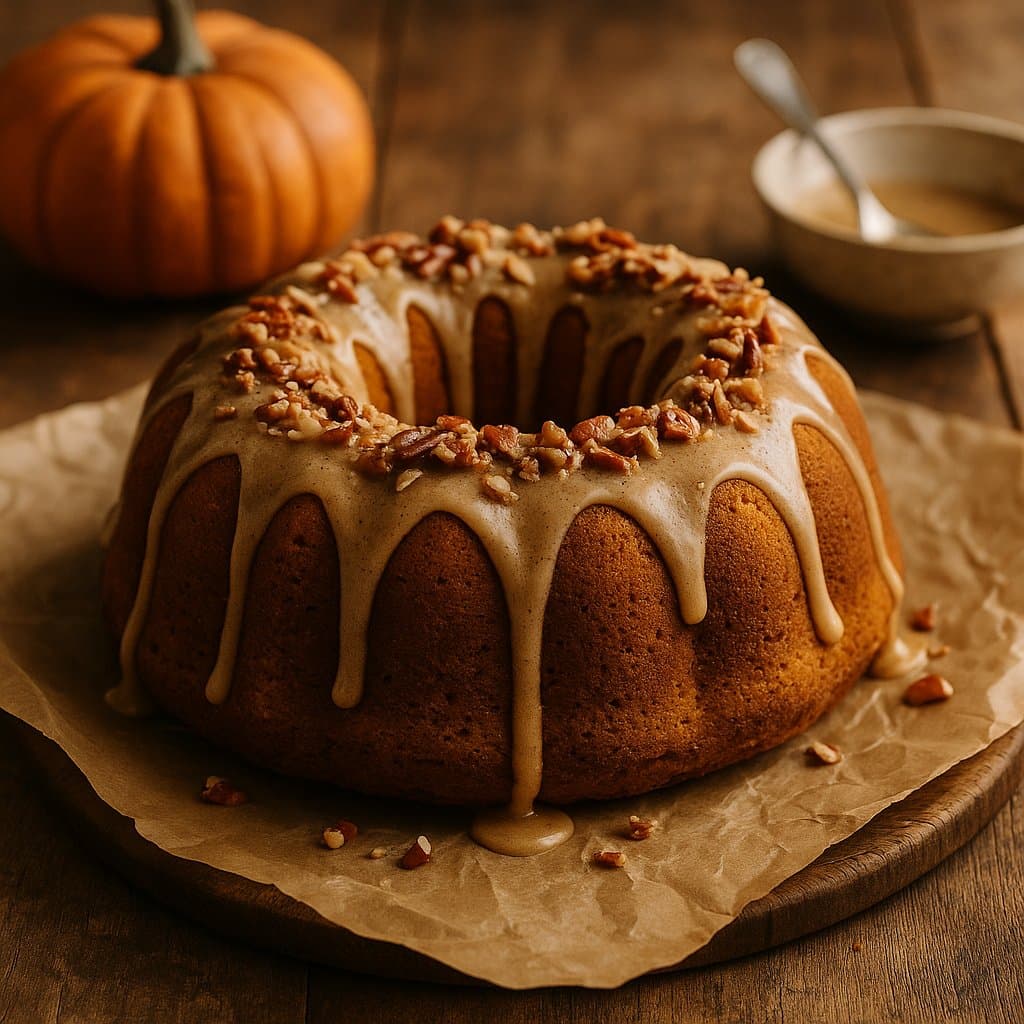
Modern bakers are reviving heirloom pumpkin varieties, exploring savoury pumpkin dishes, and rediscovering colonial-era bakes. Others lean into vintage comfort with pumpkin rolls, loaves, and cheesecakes, all echoing the same seasonal warmth.
Whether you’re baking from scratch or opening a can, every pumpkin bake is part of a story that stretches across centuries — from Indigenous ingenuity to modern kitchen tables.