Butter & Fats in Baking
The secret to flaky pastries and rich flavours — how temperature and fat type transform your bakes.
Butter creates flavour, flakiness, and tenderness. Whether you need cold butter for pie crusts, softened butter for creaming, or melted butter for brownies, temperature matters enormously. Fat coats flour proteins to inhibit gluten formation, creating tenderness, while also trapping air during creaming to provide lift. The choice between butter, oil, lard, and shortening fundamentally changes a bake's flavour and texture.
Heritage & History
Butter has been a primary baking fat for thousands of years, dating back to ancient Mesopotamia. In European baking traditions, high-fat butter was prized for laminated pastries like croissants and puff pastry. Lard was the dominant fat in many bread traditions before the 20th century. Today, European-style butters with 82–84% fat content remain the gold standard for pastry work.
Types of Butter & Fats
Unsalted Butter
The baker's choice. Allows you to control salt levels precisely. European-style (82%+ fat) is preferred for pastry.
Salted Butter
Can be used in most recipes; reduce any added salt. Adds a subtle salty-sweet balance in cookies and shortbreads.
Vegetable Oil
Creates moist, dense cakes (muffins, banana bread, carrot cake) and keeps them soft longer. Cannot be creamed.
Shortening & Lard
100% fat with no water content. Creates exceptionally flaky pie crusts and tender biscuits. Lard adds traditional savoury depth.
Essential Tips
For pie crusts, keep butter ice cold and work quickly
Room temperature butter (65–68°F / 18–20°C) should bend without breaking
European butter has higher fat content — ideal for pastries and croissants
Oil creates denser, moister cakes than butter, and keeps longer
Substitutions
Butter for oil: use 3/4 cup melted butter per 1 cup oil (adds flavour, slightly less moist)
Oil for butter: use 3/4 cup oil per 1 cup butter (moister texture, less flavour)
Dairy-free: use vegan block butter (not spread) for best results in pastry
Common Questions About Butter & Fats
What does room temperature butter mean and why does it matter?
Room temperature butter (around 65–68°F / 18–20°C) is pliable but still holds its shape — it bends without cracking and leaves a fingerprint when pressed. At this temperature it creams easily with sugar to trap air bubbles, which gives cakes their lift and light texture. Cold butter won't cream properly; melted butter produces a flat, dense result.
Can I use salted butter instead of unsalted in baking?
Yes, with an adjustment. For every 1/2 cup of butter in a recipe, reduce other salt by about 1/4 teaspoon if using salted butter. The main reason bakers prefer unsalted butter is control — salt levels vary between brands, and freshness is often better in unsalted varieties as salt can mask off flavours.
Why is cold butter important for pie crust and pastry?
Cold butter creates distinct pockets of fat in the dough that stay solid during mixing. When they hit the oven's heat, the water in the butter turns to steam, pushing the layers apart to create the characteristic flaky, layered texture. Warm or melted butter absorbs into the flour, producing a crumbly rather than flaky result.
What is the difference between European butter and regular butter?
European-style butter contains at least 82–84% butterfat compared to the standard American butter's 80%. The higher fat content means less water, which results in richer flavour, silkier texture, and superior pastry lamination. It is the professional baker's choice for croissants, puff pastry, and shortbread.
Recipes with Butter & Fats
All recipes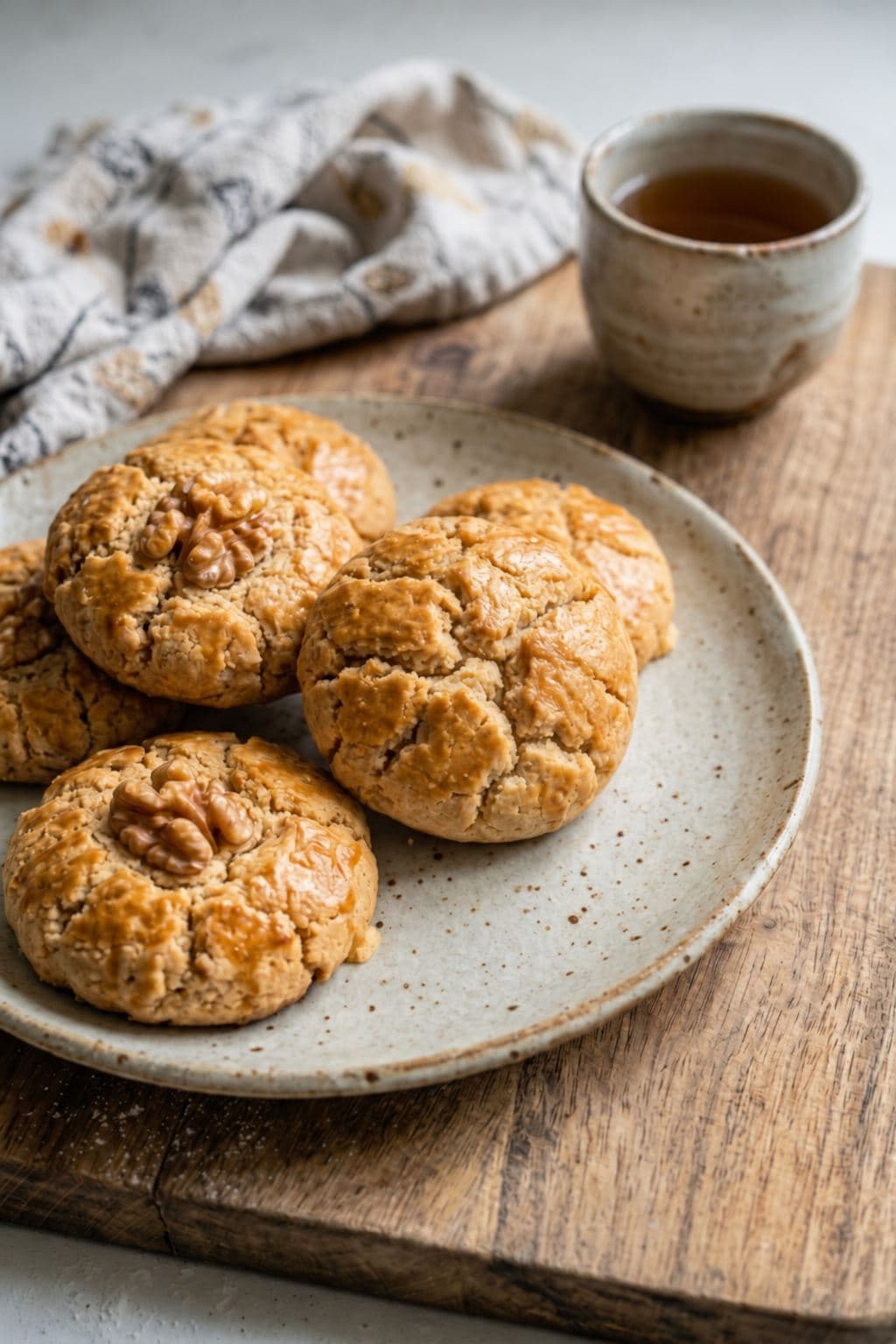
Hup Toh Soh: Chinese Walnut Biscuits
Bake hup toh soh, Chinese walnut biscuits, with toasted walnuts and butter. An easy recipe for golden biscuits with a crisp, crumbly bite.
25 minutes20 minutes (plus 8-10 minutes for toasting walnuts) min total
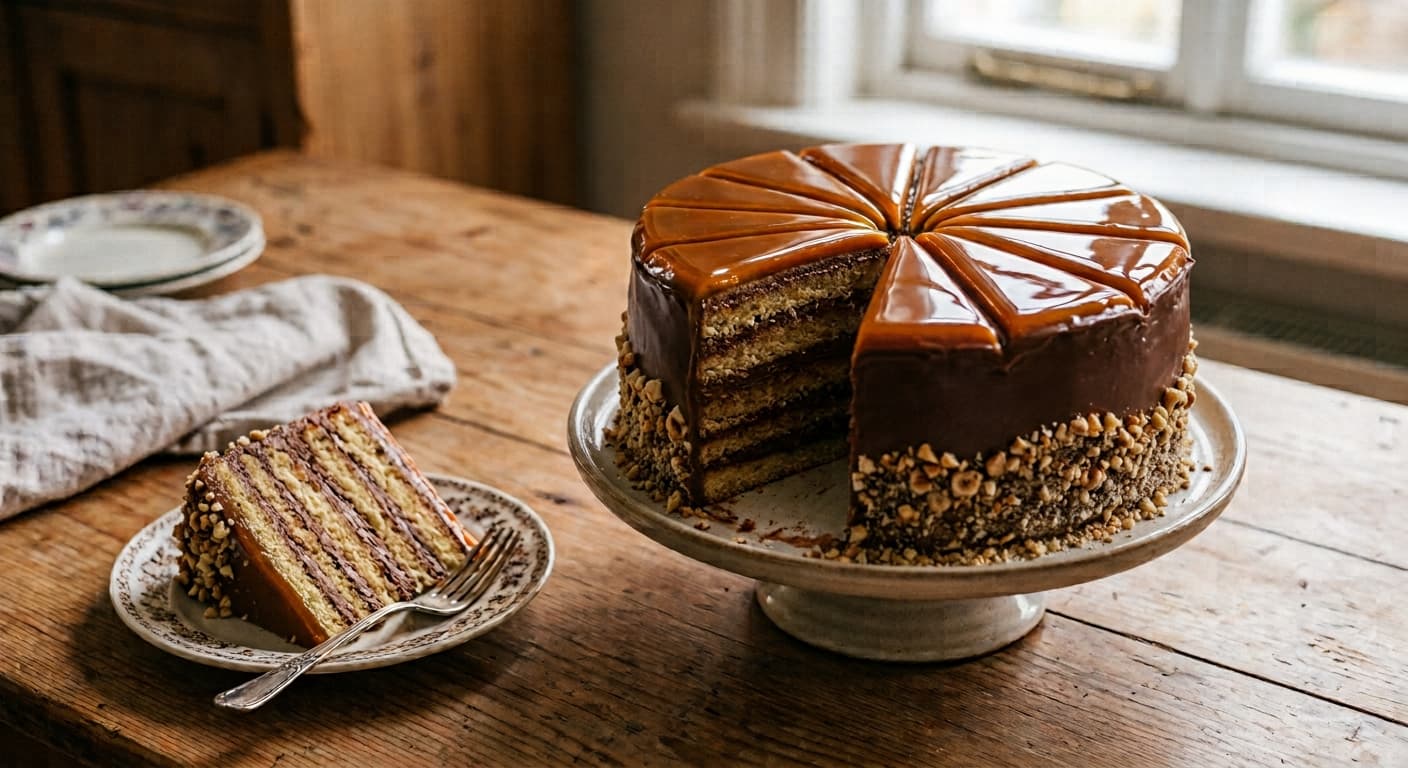
Dobos Torte Recipe: Hungary’s Chocolate & Caramel Layer Cake
Make classic Dobos torte with thin sponge layers, rich chocolate buttercream and a crisp caramel crown. A step-by-step Hungarian cake recipe.
Approximately 1½–2 hours, excluding baking, cooling and chillingApproximately 6–8 minutes per layer min total
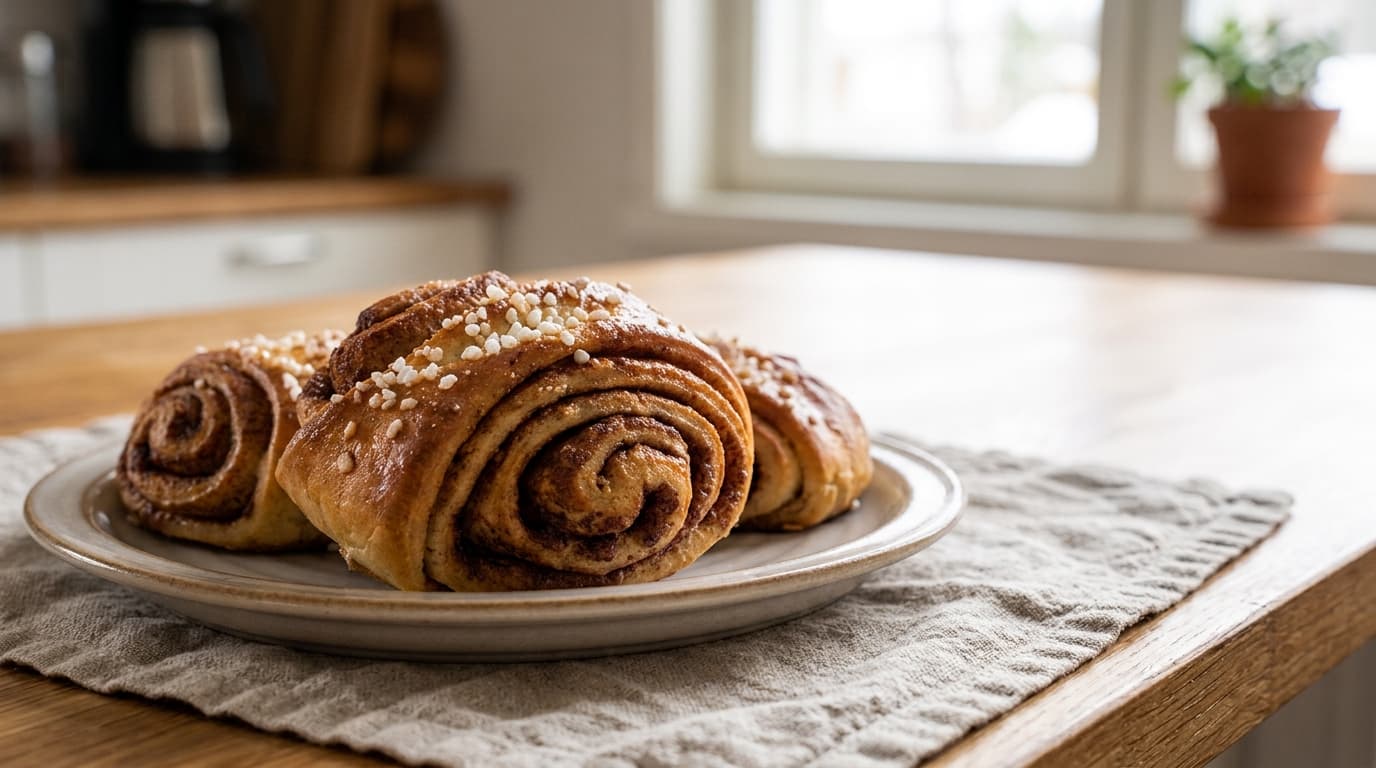
Korvapuusti Recipe: Finnish Cinnamon Buns with Cardamom
Bake Finnish korvapuusti with soft cardamom dough, buttery cinnamon filling and pearl sugar. Includes tips for shaping the traditional ear-like buns.
35 minutes (plus about 1 hour 30 minutes for rising)8-10 minutes per tray min total
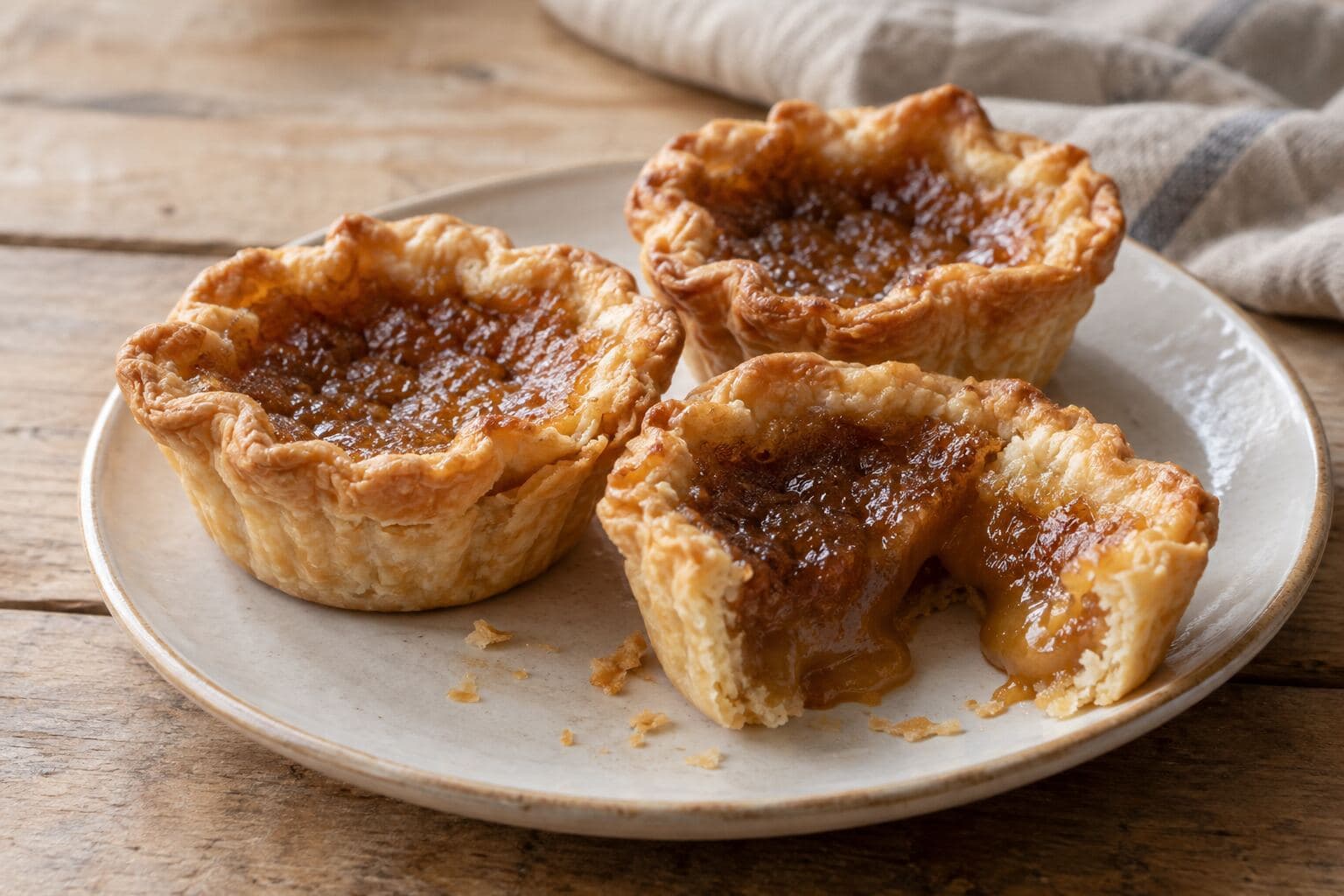
Traditional Canadian Butter Tarts
Bake traditional Canadian butter tarts with flaky pastry and a soft, gooey brown-sugar filling. Enjoy them plain or add raisins or nuts.
35 minutes (plus 45 minutes chilling)12-15 minutes min total
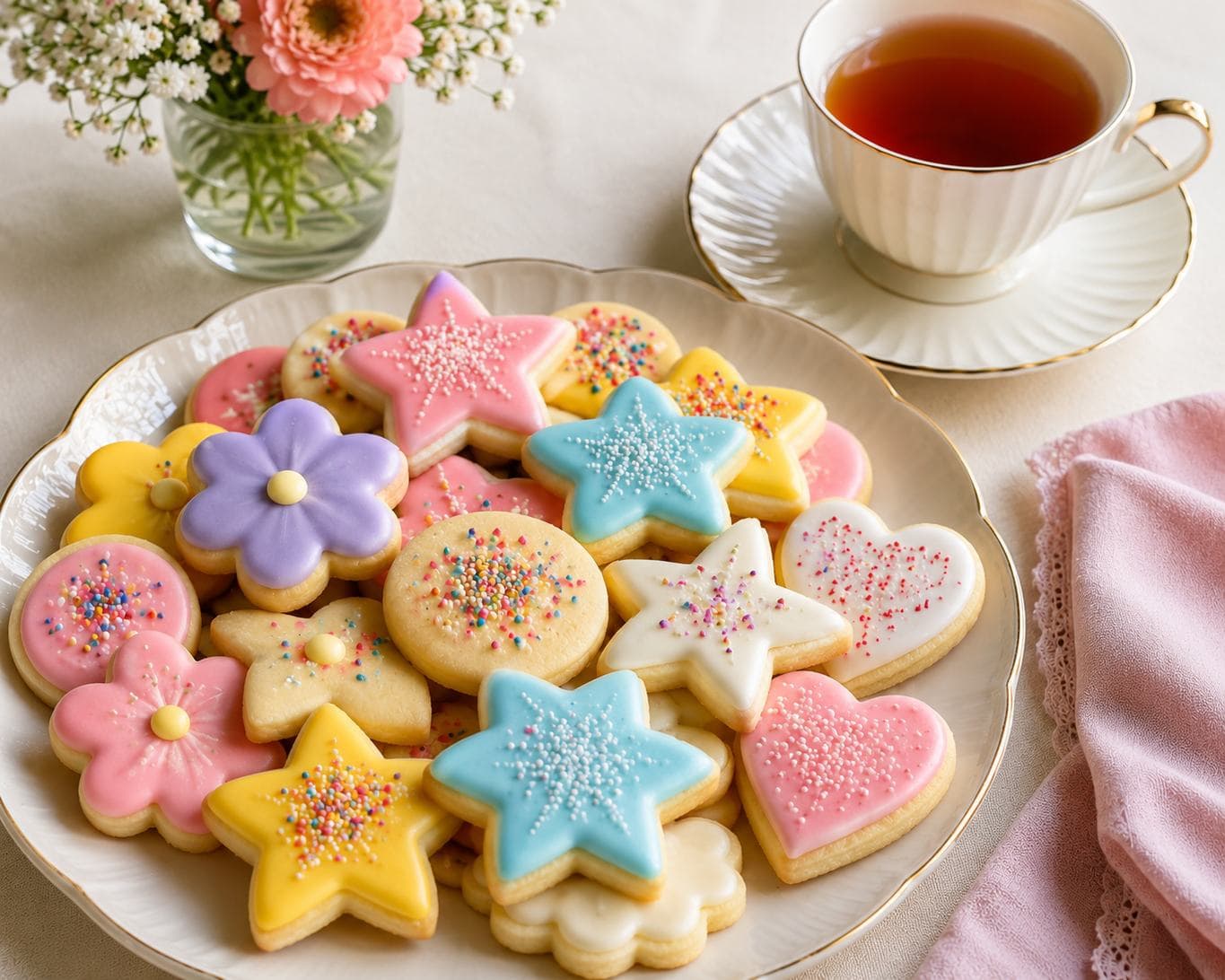
Classic Sugar Cookies
A simple classic sugar cookies recipe with buttery flavour, neat edges and easy decorating tips for homemade cut-out cookies.
25 minutes9-11 minutes (plus 1 hour chill time) min total
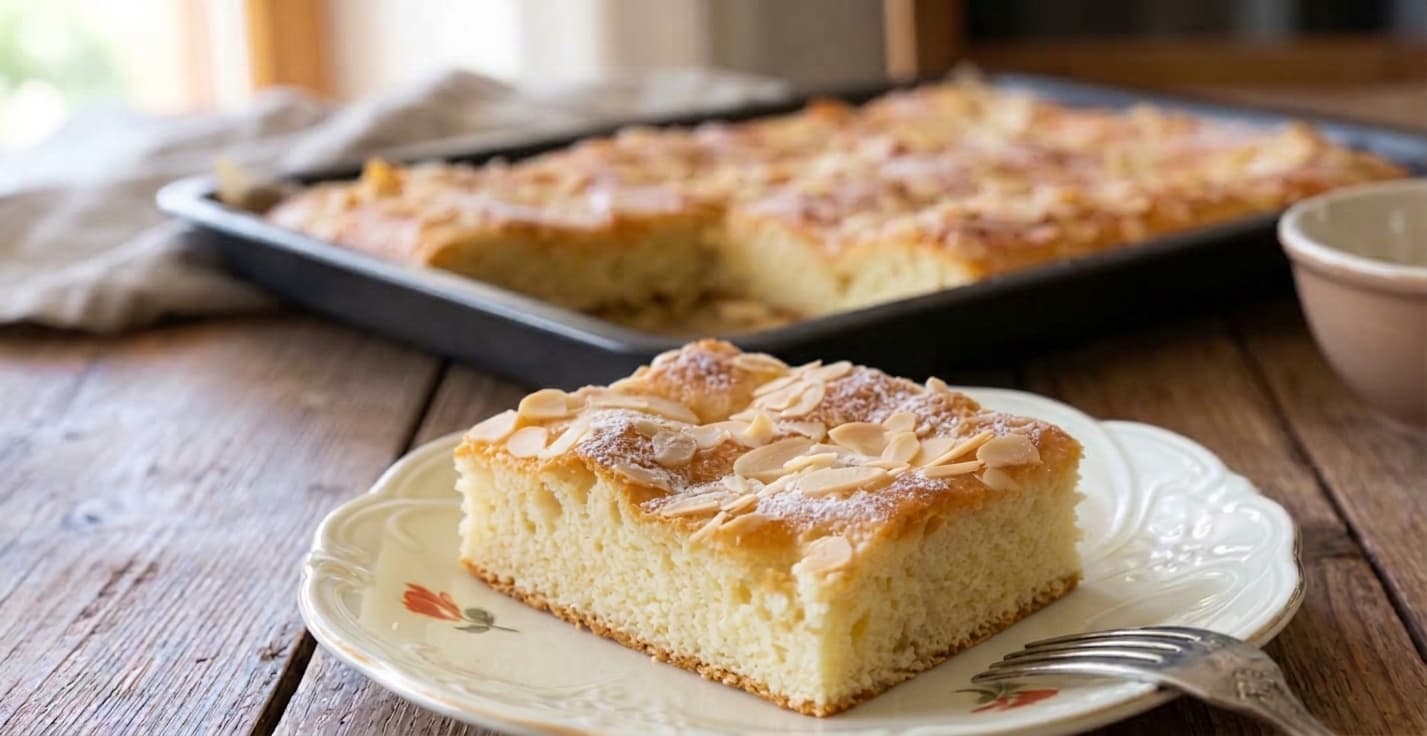
Traditional German Butterkuchen Recipe
Bake traditional German Butterkuchen with tender yeast dough, buttery dimples and a crisp almond-sugar topping. Perfect with coffee or tea.
25 minutes15-18 minutes (plus approximately 1 hour 20 minutes for proofing) min total
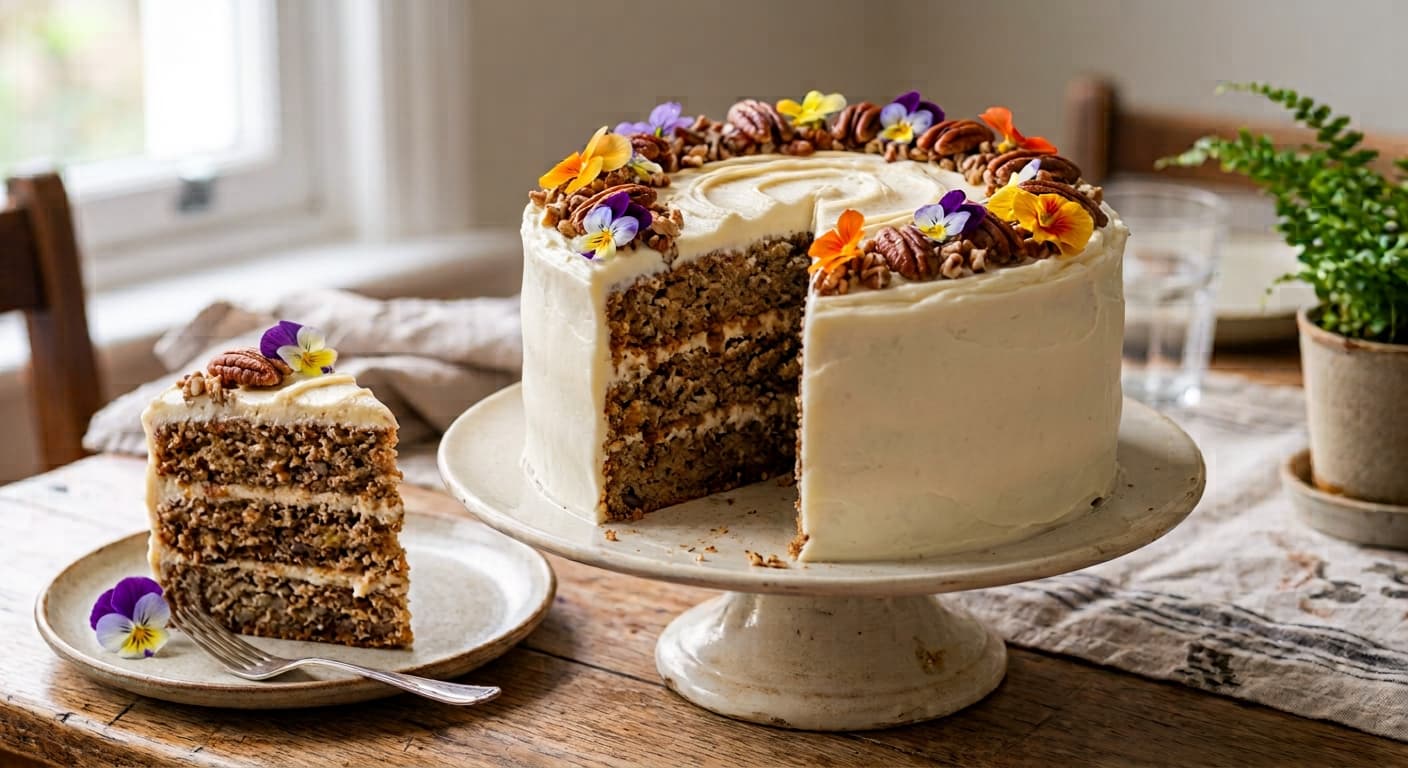
Hummingbird Cake Recipe
Bake a moist three-layer hummingbird cake with banana, pineapple, pecans, cream cheese frosting and colourful edible flowers.
45 minutes26-30 minutes (plus 2hrs cooling & chilling time) min total
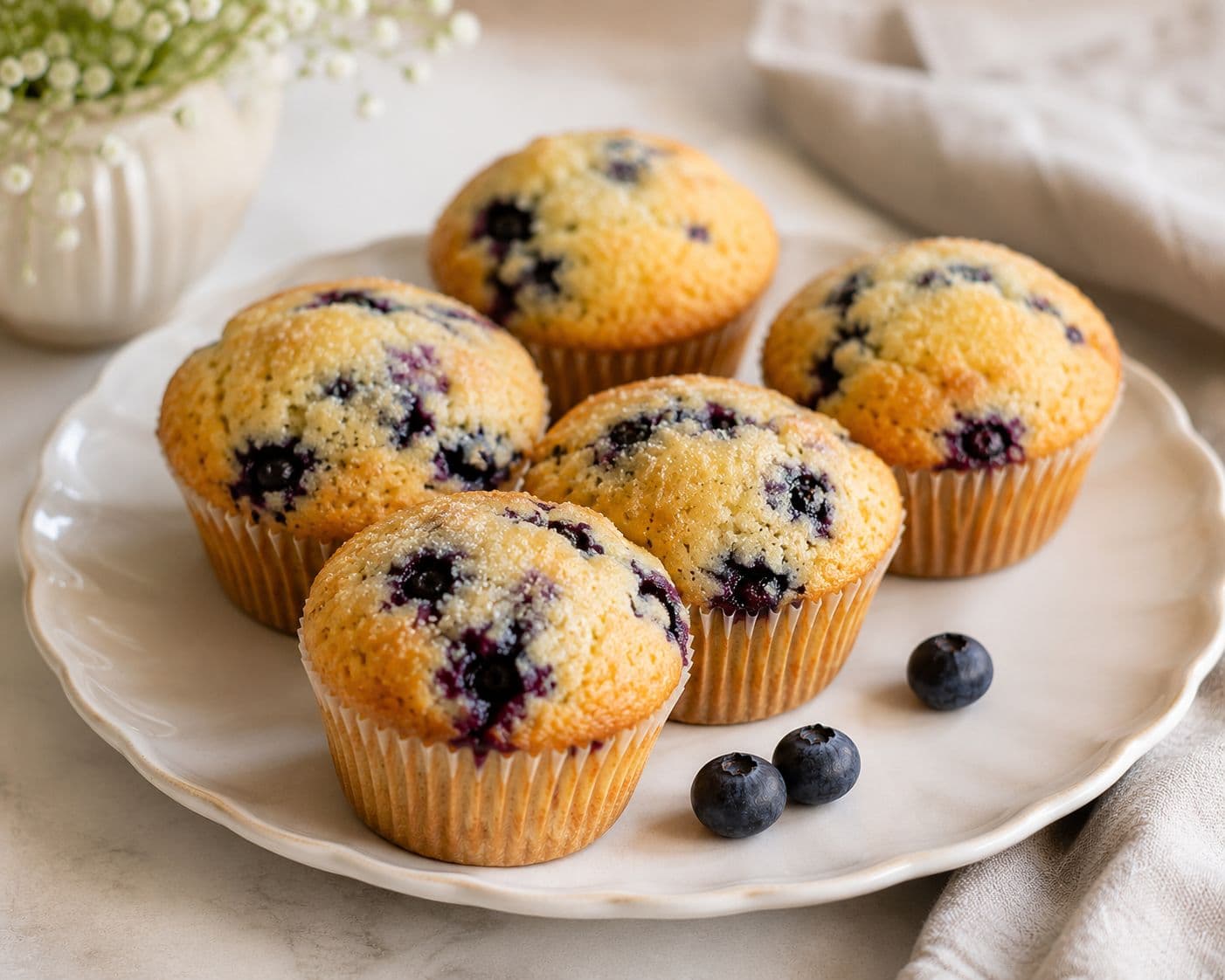
Blueberry Muffins Recipe
Learn how to make soft, bakery-style blueberry muffins with sour cream for a moist crumb and tall tops. Includes tips and troubleshooting.
20 minutes20-25 minutes min total
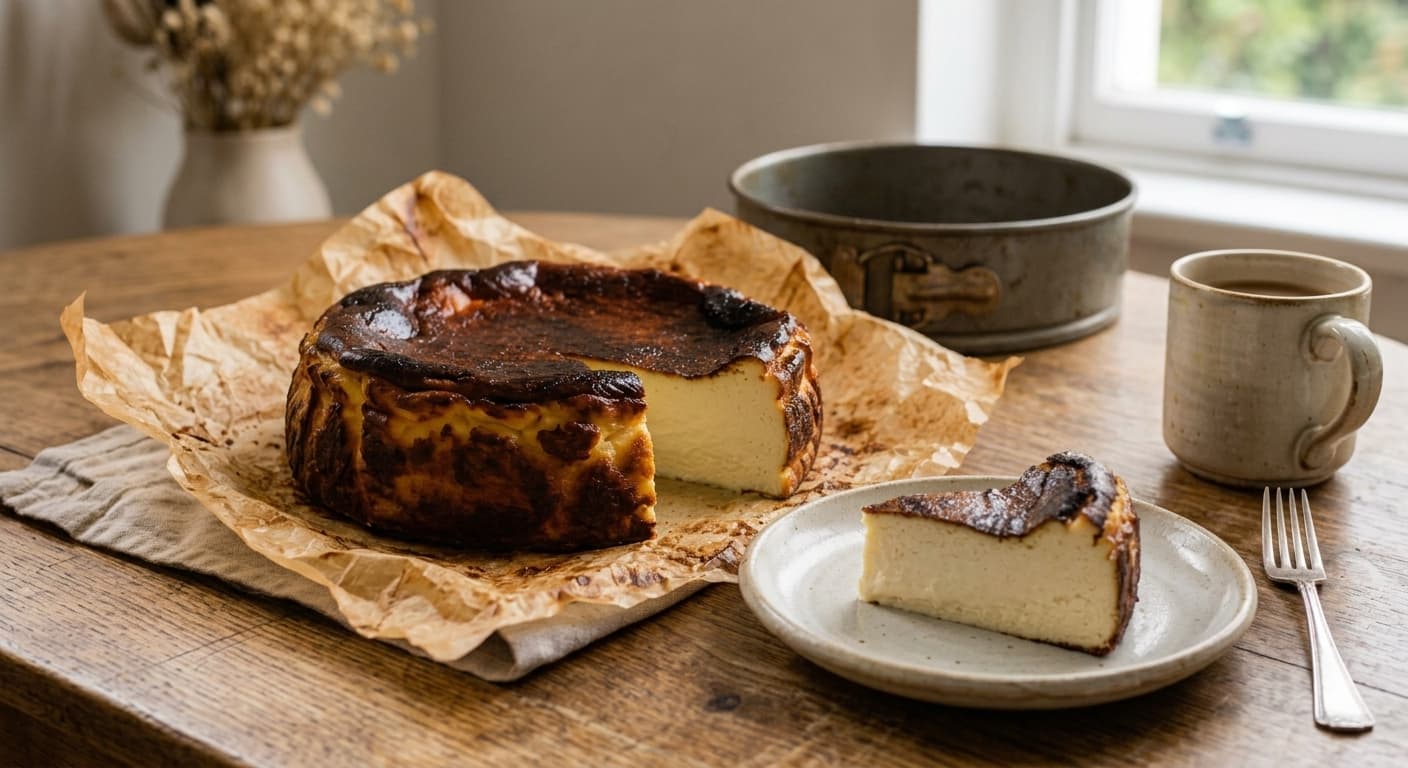
Authentic Basque Cheesecake Recipe
Make an authentic Basque cheesecake with a deeply caramelised top and creamy centre using the original five-ingredient La Viña-style formula.
20 minutes40 minutes (approximately) min total