All About Flour
The backbone of baking — understand different flour types, protein levels, and how to choose the right flour for every recipe.
Flour is the foundation of most baked goods. Understanding the differences between all-purpose, bread, cake, and pastry flours will transform your baking. The protein content determines gluten development, affecting everything from cake tenderness to bread chewiness. Higher-protein flours build stronger gluten networks ideal for chewy breads, while lower-protein flours yield tender, delicate crumbs in cakes and pastries.
Heritage & History
Wheat flour has been milled for over 10,000 years, forming the cornerstone of bread-baking cultures from ancient Egypt to medieval Europe. The introduction of roller milling in the 19th century revolutionised flour production, creating the fine white all-purpose flour we know today. Heritage bakers still prize stone-ground and whole-grain flours for their depth of flavour and nutritional richness.
Types of Flour
All-Purpose Flour
10–12% protein. The versatile workhorse of baking — suitable for most cakes, cookies, muffins, and quick breads.
Bread Flour
12–14% protein. Higher gluten development makes it ideal for yeast breads, pizza dough, and bagels.
Cake Flour
7–9% protein. Finely milled and low-protein, producing an exceptionally tender, light crumb in layer cakes.
Whole Wheat Flour
Contains the bran and germ. Adds nutty flavour and fibre; replace up to 50% of white flour in most recipes.
Essential Tips
Store flour in an airtight container in a cool, dry place
Measure flour by weight for accuracy, or fluff and spoon into measuring cups
Sift flour when recipes call for it to incorporate air and remove lumps
Different flours have different protein levels — match to your recipe needs
Substitutions
Cake flour substitute: 1 cup all-purpose flour minus 2 tablespoons, plus 2 tablespoons cornstarch
Bread flour substitute: all-purpose flour works, though loaves will be slightly less chewy
Gluten-free: use a 1:1 gluten-free blend with xanthan gum already included
Common Questions About Flour
What is the difference between all-purpose flour and bread flour?
Bread flour has higher protein content (12–14%) compared to all-purpose flour (10–12%). The extra protein creates more gluten when mixed with water, giving yeasted breads their characteristic chew and structure. All-purpose flour is more versatile but produces slightly softer loaves.
How do I measure flour accurately?
The most accurate method is to weigh flour on a kitchen scale — 1 cup of all-purpose flour weighs approximately 120–130g. If using cups, fluff the flour in its container first, then spoon it into the measuring cup and level off the top with a straight edge. Never scoop directly from the bag, which compresses the flour.
Can I substitute whole wheat flour for all-purpose flour?
Yes, but not cup-for-cup without adjustments. Whole wheat flour absorbs more liquid and can make baked goods dense. Start by replacing no more than 25–50% of the all-purpose flour, and consider adding an extra tablespoon or two of liquid to compensate.
How should I store flour to keep it fresh?
Store flour in an airtight container in a cool, dry place away from direct sunlight. All-purpose and bread flour keep for up to 1 year at room temperature. Whole wheat flour, which contains the oily germ, is best stored in the fridge or freezer to prevent rancidity and will keep for up to 6 months.
Recipes with Flour
All recipes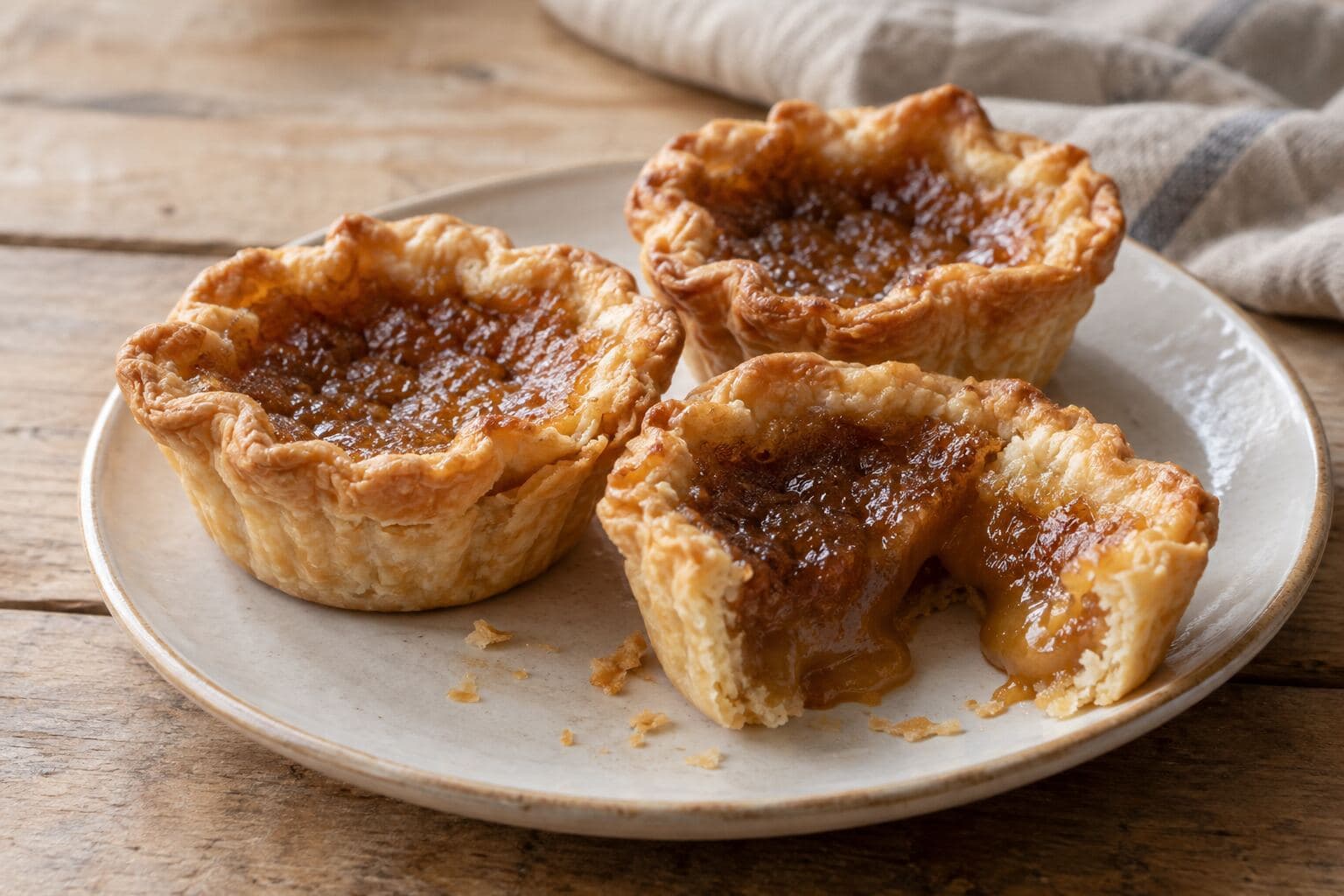
Traditional Canadian Butter Tarts
Bake traditional Canadian butter tarts with flaky pastry and a soft, gooey brown-sugar filling. Enjoy them plain or add raisins or nuts.
35 minutes (plus 45 minutes chilling)12-15 minutes min total
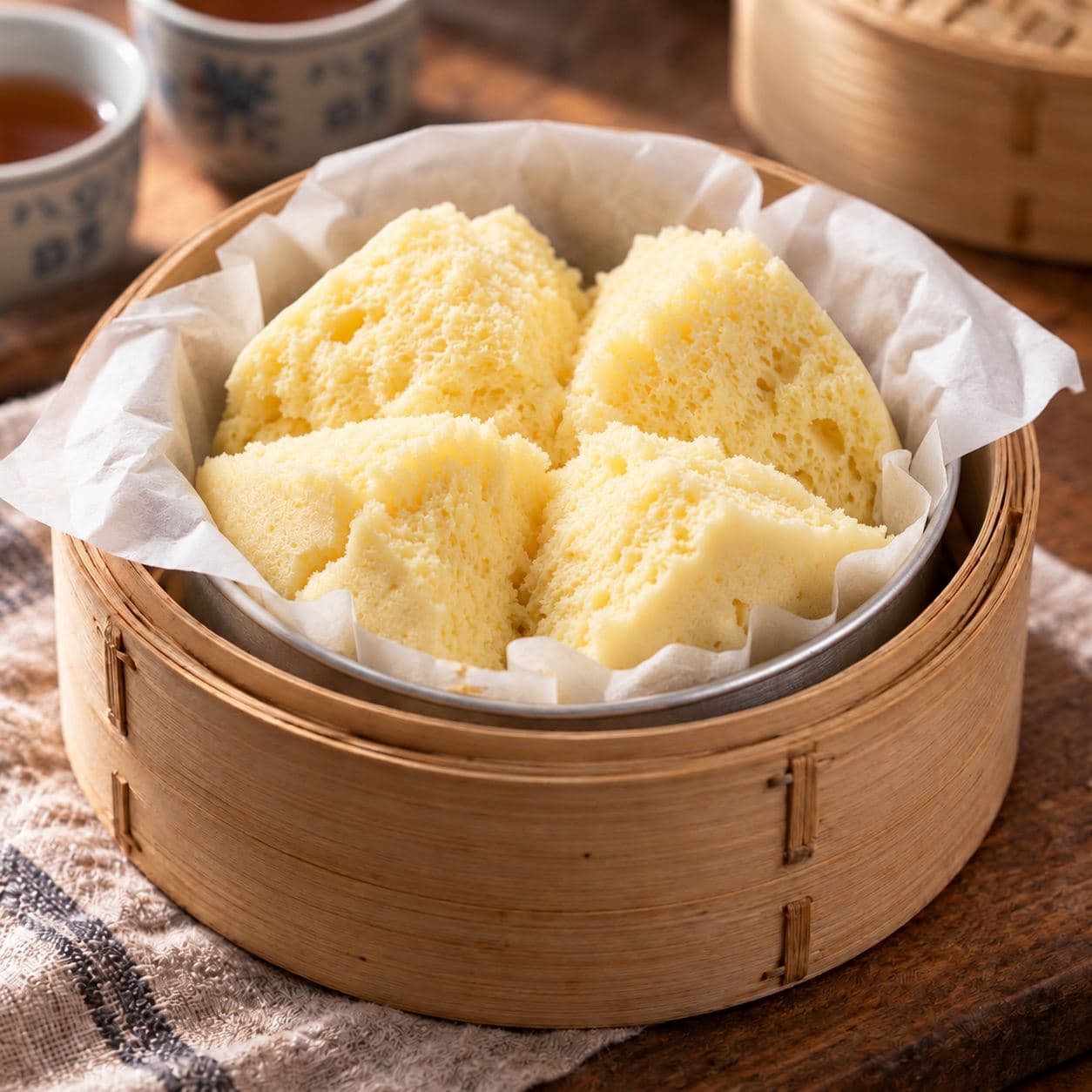
Traditional Kueh Neng Ko Recipe
Make traditional kueh neng ko, a light Chinese steamed egg cake prepared with just eggs, sugar and flour and finished with its distinctive split top.
30 minutes40 minutes min total
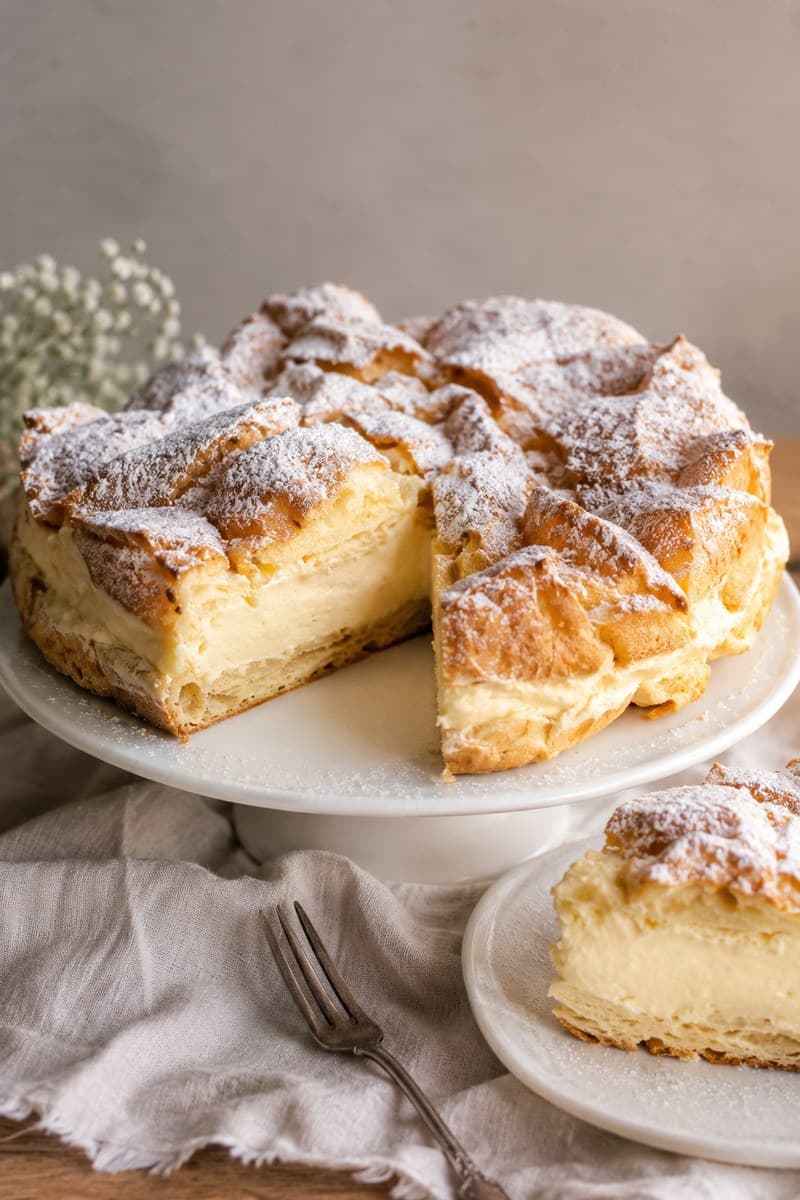
Karpatka Recipe: Polish Carpathian Mountain Cream Cake
Make traditional Polish karpatka with crisp choux pastry, smooth vanilla custard cream and a dusting of icing sugar.
35 minutes25-30 minutes per layer (At least 4 hours chilling time) min total
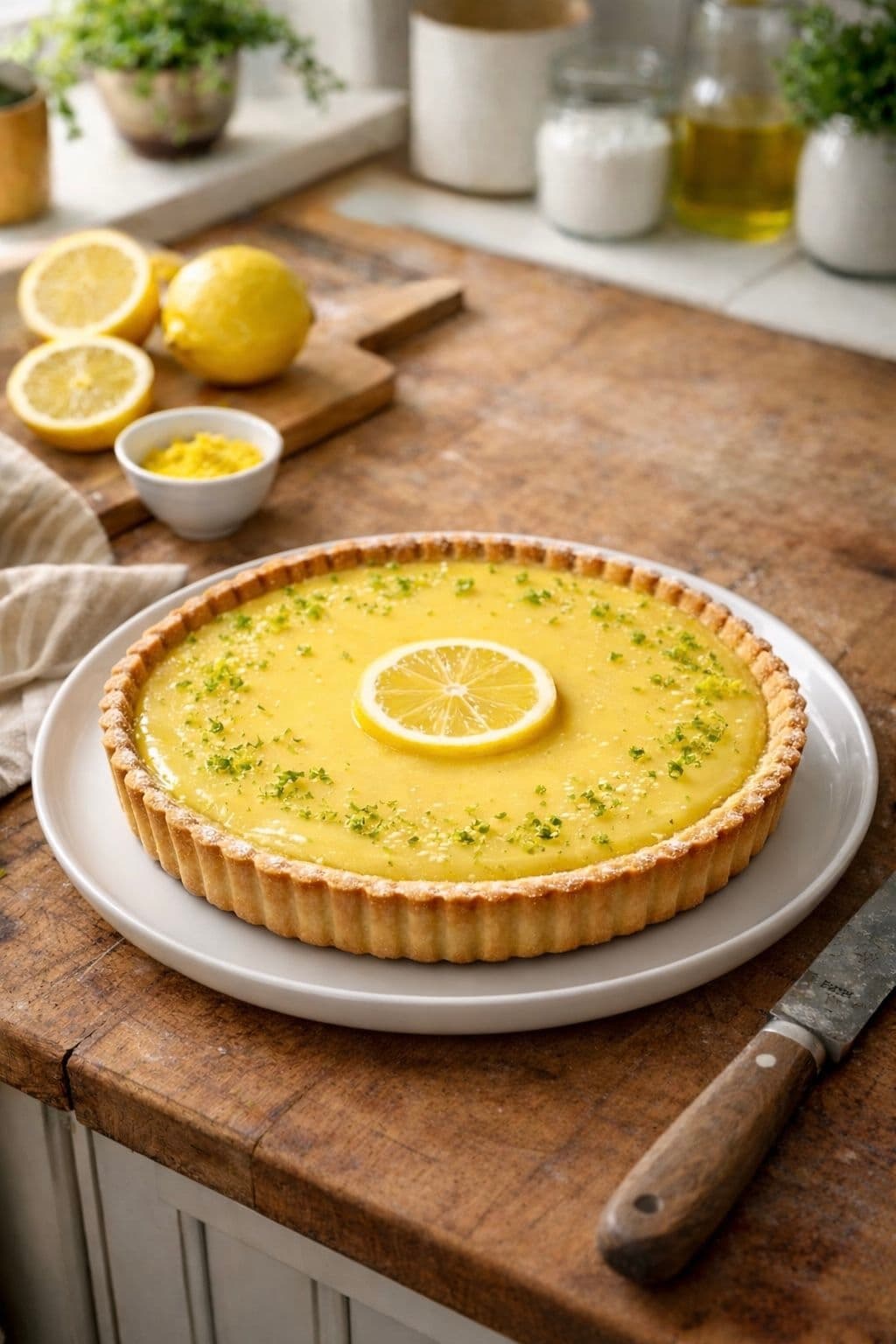
Tarte au Citron Recipe
Make a classic French Tarte au Citron with crisp pastry and a smooth, tangy lemon filling. An elegant French dessert with a bright citrus flavour.
30 minutes25-30 minutes (including blind baking the crust and cooking the lemon curd) min total
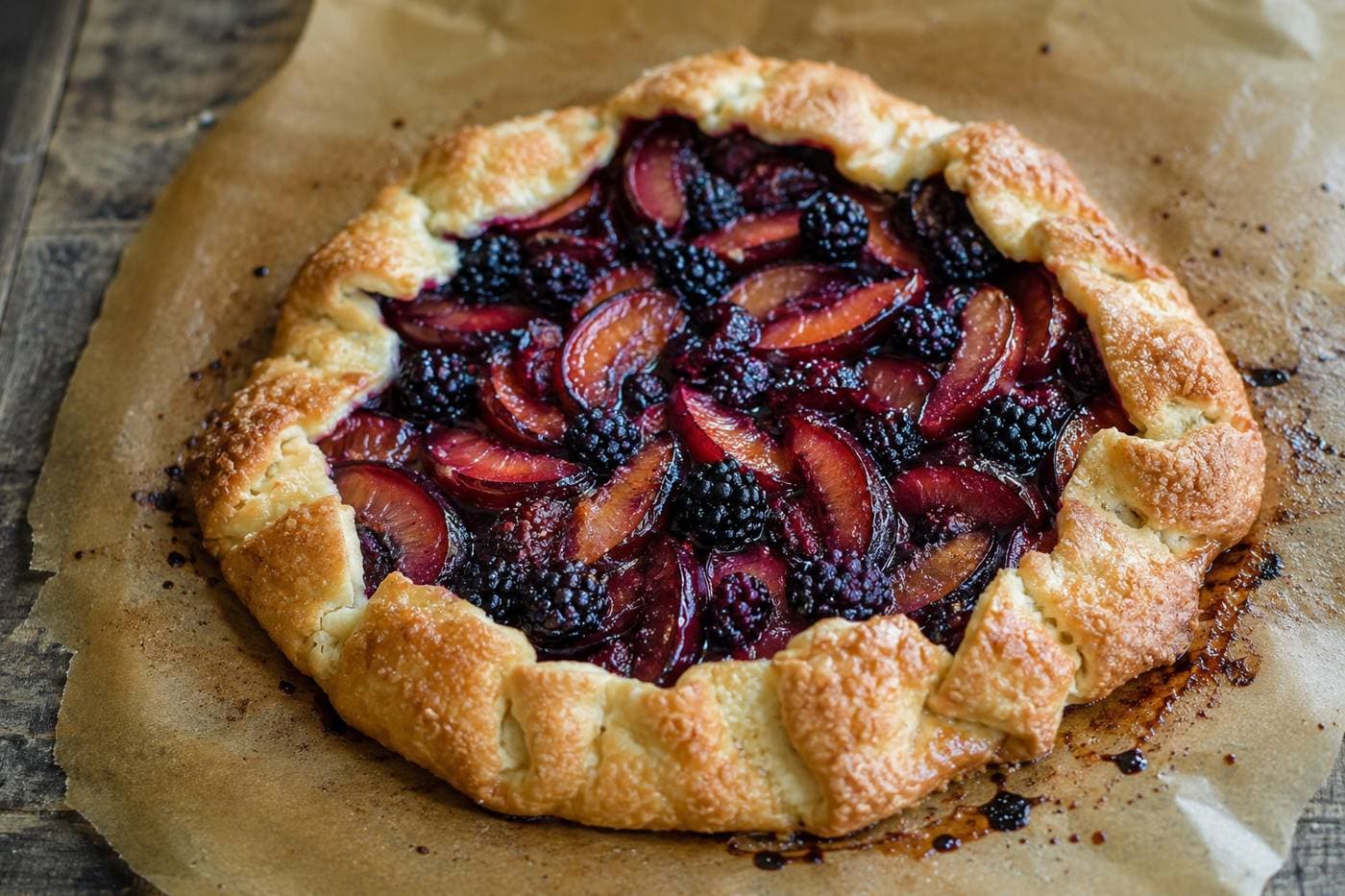
Plum and Blackberry Galette Recipe
Bake a rustic plum and blackberry galette with crisp, buttery pastry and juicy late-summer fruit. Simple, seasonal and delicious.
25 minutes35-45 minutes (plus 30 minutes chill & 15 minutes cooling time) min total
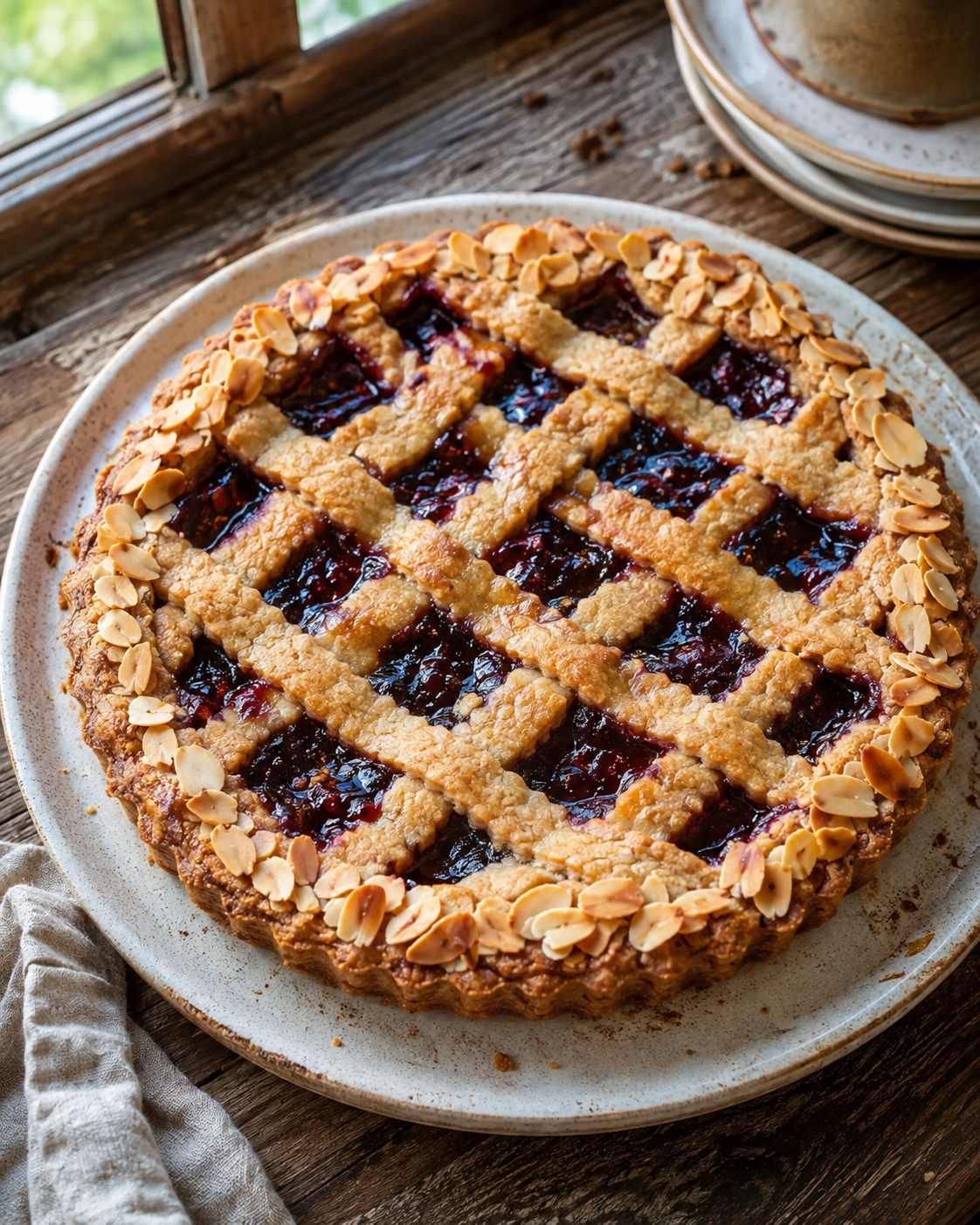
Traditional Linzer Torte Recipe
Bake a traditional Linzer Torte with buttery hazelnut pastry, redcurrant jam and a classic lattice top. Includes tips for the best texture.
35 minutes, plus chilling45-50 minutes min total
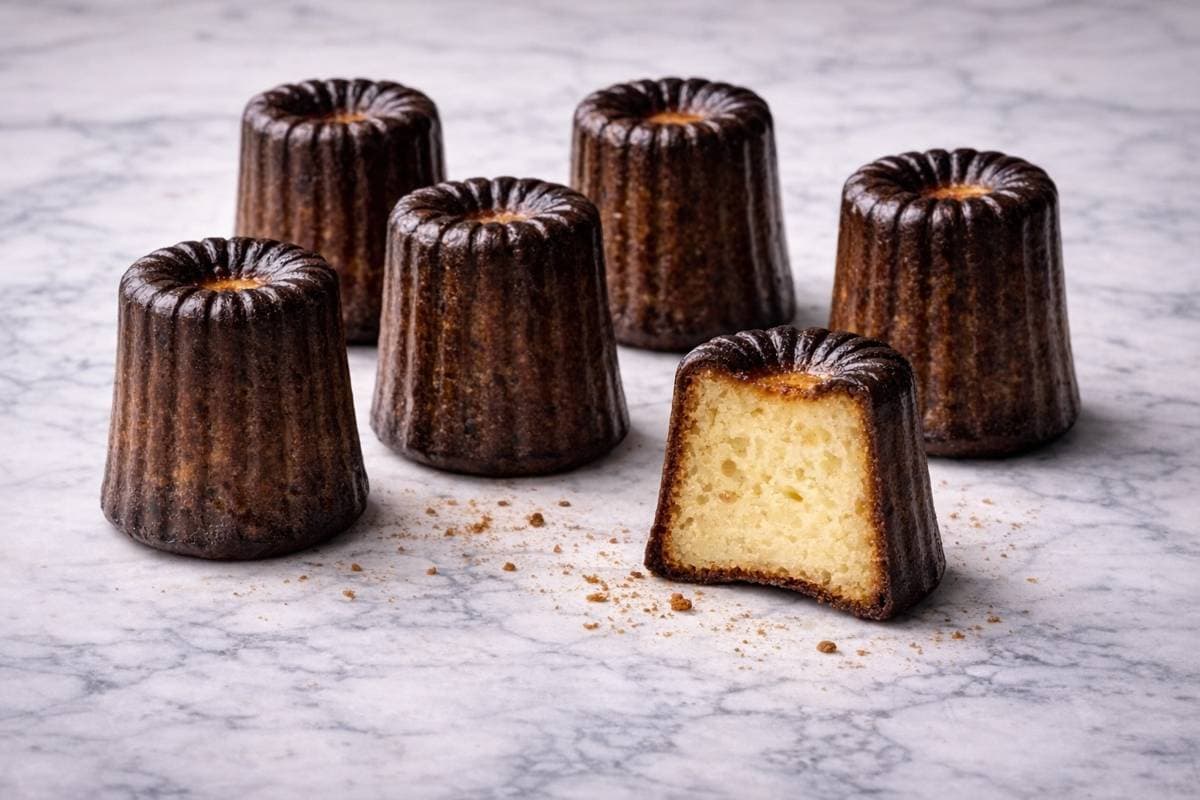
Canelés: The Classic French Pastry
Traditional French canelés with a caramelised crust and custard centre. Learn how to make this Bordeaux classic at home with simple ingredients.
25 minutes (plus resting time of 24 hours)50-60 minutes min total
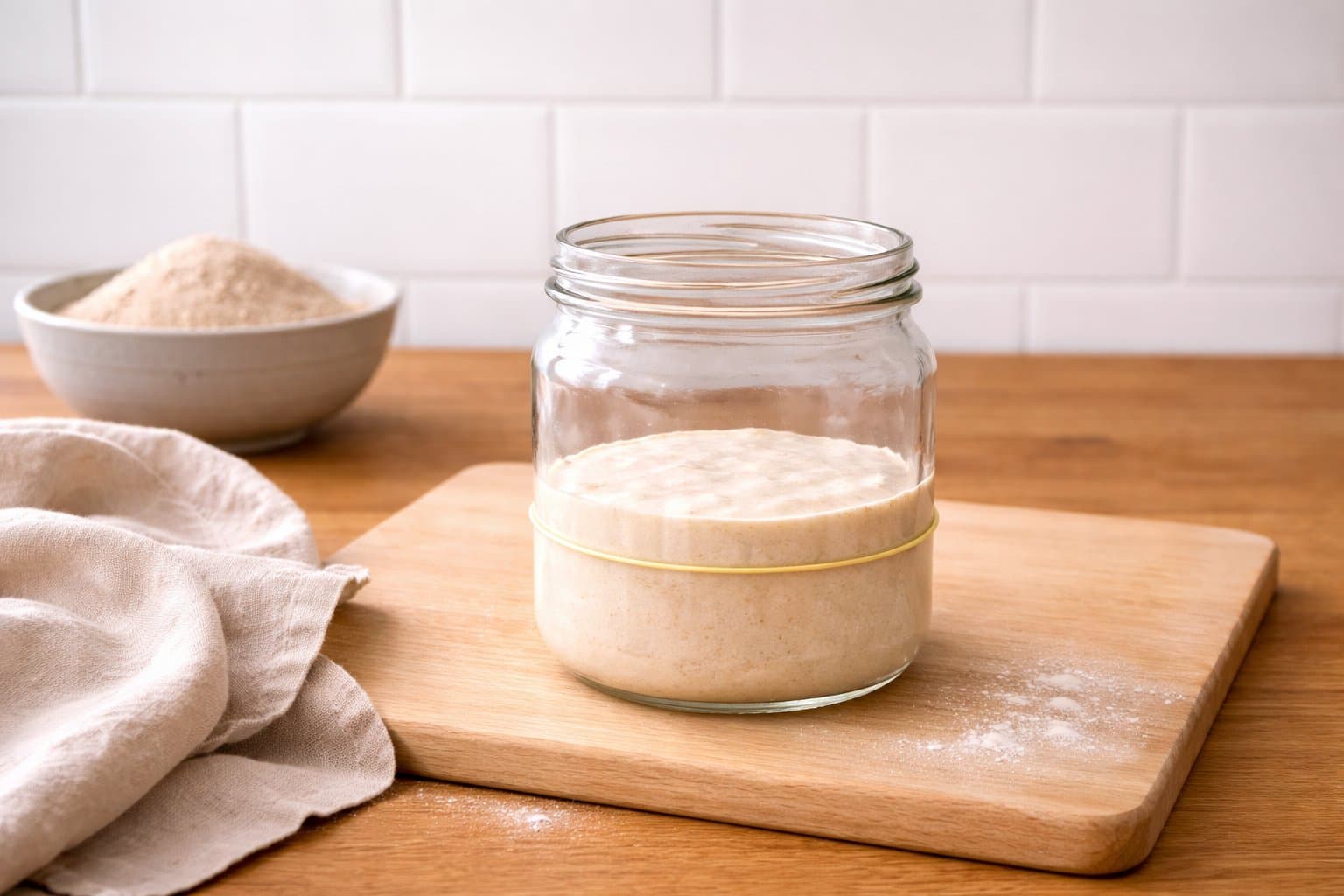
How to Make a Sourdough Starter (Beginner Guide)
Learn how to make a sourdough starter at home using flour and water. A beginner-friendly guide with feeding, storage and care tips.
5 minutes per feeding7 days to get an active starter min total
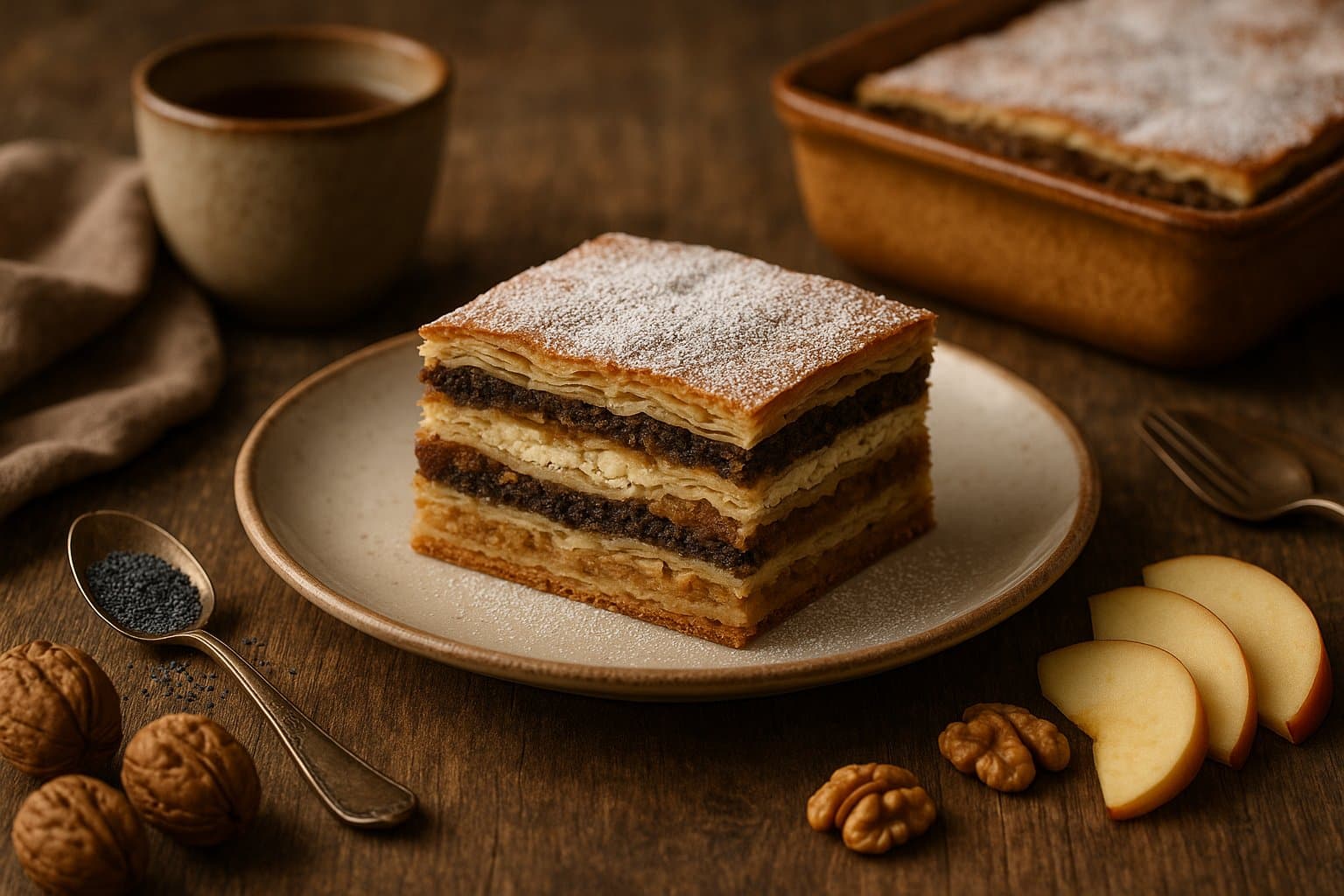
Prekmurska Gibanica Recipe
Learn how to bake Prekmurska Gibanica, a traditional Slovenian layered pastry filled with poppy seeds, walnuts, cottage cheese, and apples.
45 minutes1 hour min total