Around the World in 80 Bakes: Stop #13 Denmark
For the next stop in our 80 Bakes series, we head north to Denmark, where coffee breaks are sacred and the cake is sticky. Enter brunsviger—a Danish staple that’s as humble as it is beloved.
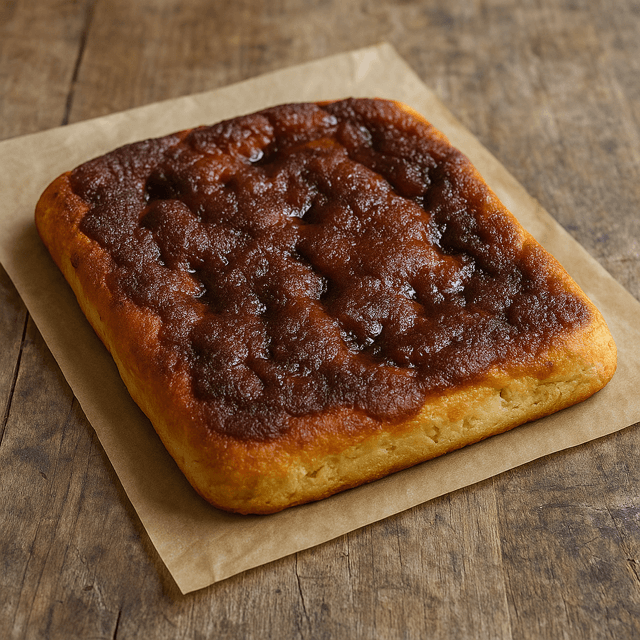
This isn’t a sleek, layered cake. Brunsviger is rustic, bready, and unapologetically sweet. It’s made from a soft yeast dough topped with a molten mix of brown sugar and butter that soaks into the bread as it bakes, leaving behind a golden, sticky surface and a chewy, caramelized crust.
Where Brunsviger Comes From
Brunsviger hails from Funen (Fyn), Denmark’s third-largest island, and it’s still most commonly associated with that region today. It’s a traditional bake that’s not flashy, but deeply embedded in Danish culture—especially in the middle and southern parts of the country.
The name brunsviger comes from the Danish word brun (brown) and likely a variation of sukker (sugar). Together, they point straight to what defines this bake: the brown sugar topping that melts into a caramel-like layer as it bakes.
While it’s hard to pin down an exact origin date, brunsviger is very much a 20th-century comfort food. It’s not a royal pastry or a recipe passed down from aristocrats—it’s a people’s cake. You find it in school lunchboxes, birthday tables, Sunday coffee spreads, and bakery windows across Denmark.
More Bread Than Cake
Brunsviger blurs the line between cake and bread. The base is a soft yeast dough, similar to what you’d use for rolls or Danish wienerbrød, but without the lamination. It’s proofed, flattened into a sheet pan, and then topped with a thick paste of brown sugar and melted butter. Some versions add a splash of syrup or a pinch of cinnamon, but the traditional take keeps it simple.
During baking, the sugar topping bubbles and caramelizes. Bakers often press holes or dents into the dough before adding the topping, so it sinks deeper into the bread and creates those gooey pockets of sugar you find in every good slice.
A Cake for Every Occasion
In Denmark, brunsviger isn’t just dessert—it’s part of the rhythm of everyday life. It’s eaten for breakfast, with afternoon coffee, or as the centerpiece of casual celebrations. One common tradition is serving it as a birthday “cake” for kids, sometimes decorated with small flags and candy. It’s not unusual to see it baked into large sheets and shared at school events or community gatherings.
Its appeal is universal: warm, sticky, easy to share, and cheap to make. It’s a reminder that not all iconic bakes need frosting or frills—just good dough, good sugar, and time in the oven.
And if you’re ready to try brunsviger yourself, our full recipe is up now in the Recipes section.