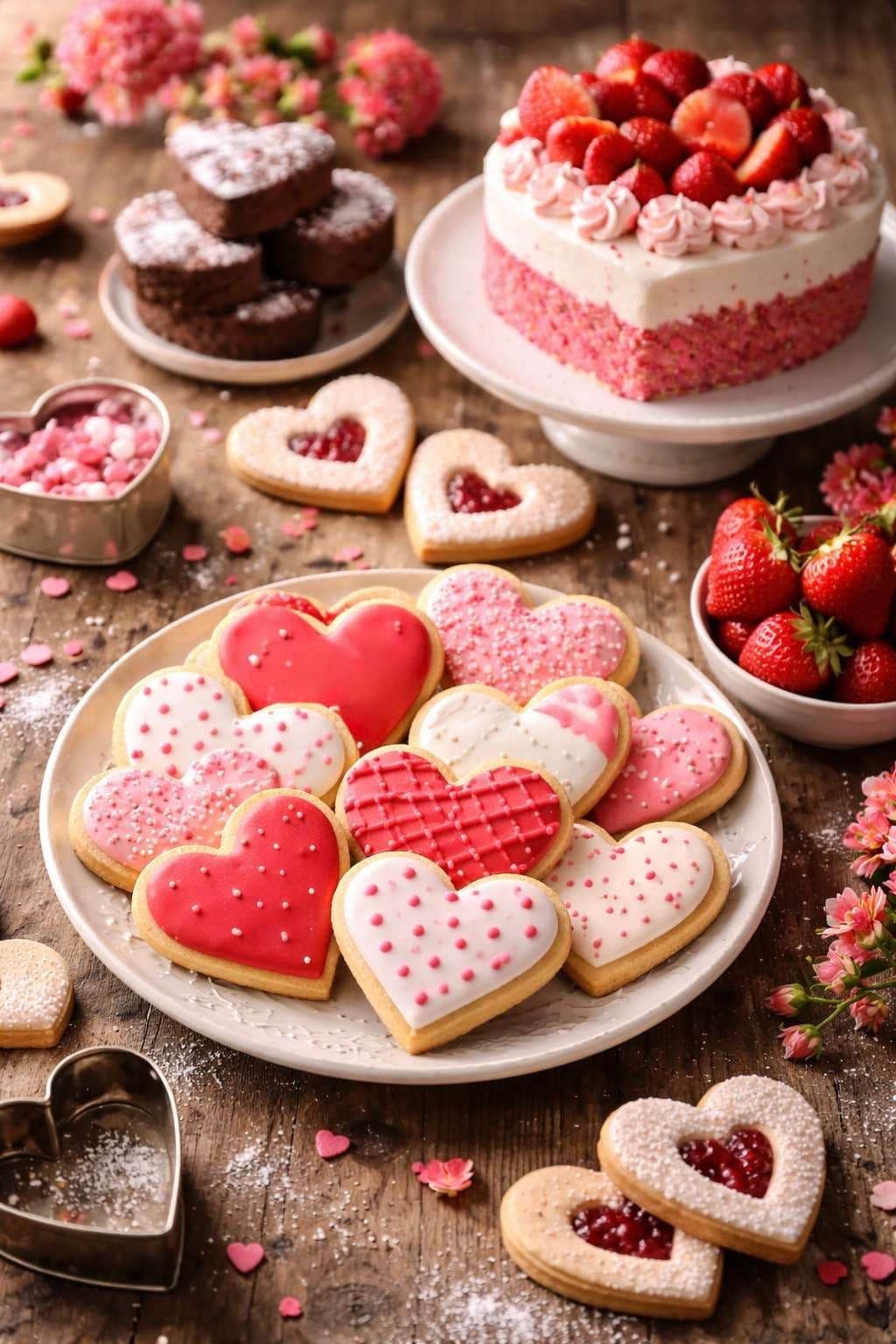
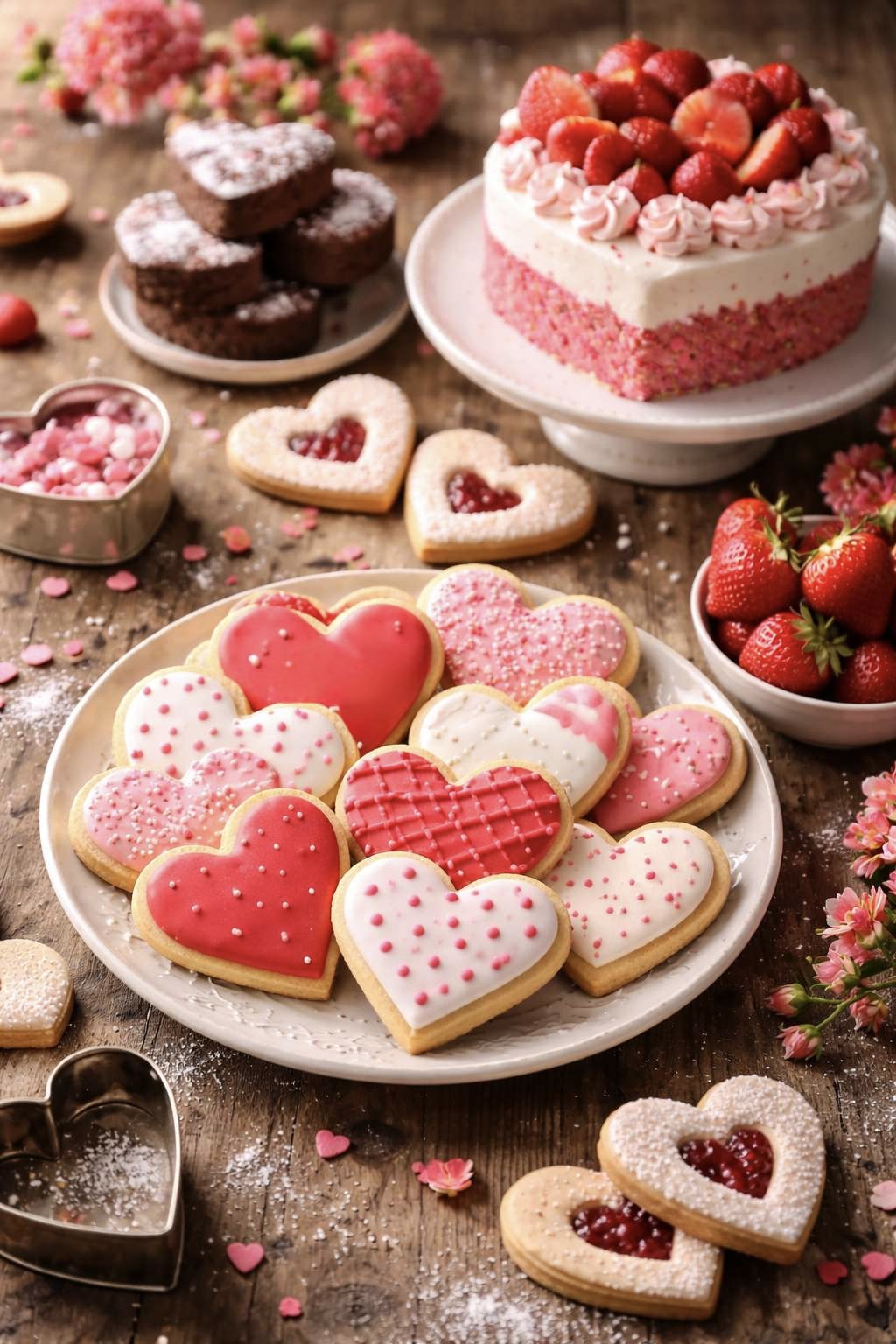
Every February, heart‑shaped biscuits, cupcake toppers, and sponge cakes appear in kitchens and bakeries around the world. Their symbolism is obvious but their story is deeper and more layered than many of us realise.
To understand how heart‑shaped bakes became part of Valentine’s Day, we first need to look at how Valentine’s Day itself originated and evolved.
From Christian Feast Day to Romance
Valentine’s Day, also known as Saint Valentine’s Day, is celebrated each year on 14 February. It began as a Christian feast day honouring one or more early saints named Valentine, whose martyrdoms were commemorated on that date.
By the 5th century, the Church had established 14 February as St Valentine’s Day, possibly to replace the earlier Roman festival of Lupercalia, a mid‑February celebration associated with fertility and purification.
The connection to romance came later. In 14th‑century England and France, writers such as Geoffrey Chaucer helped associate Valentine’s Day with courtship. By the 18th century, it had evolved into a day of sentimental gestures: handwritten cards, poems, and small gifts exchanged between loved ones.
This cultural shift laid the groundwork for edible expressions of affection.
The Rise of Romantic Gifting
As Valentine’s Day grew more popular, the heart symbol became central to the celebration. Already present in medieval art and manuscripts, the heart was widely recognised as a sign of love by the late Middle Ages.
Even before the Victorian era, there is evidence of heart‑shaped cakes and pastries being baked in 18th‑century Europe, often using small sponge recipes poured into decorative moulds. These simple bakes were shared between loved ones, sometimes alongside handwritten notes.
Sweetness itself carried meaning. In earlier European traditions, honey was associated with life, fertility, and love, making honeyed breads, spiced biscuits, and pastries natural choices for romantic celebrations.
Gingerbread, Licitar Hearts, and Early Edible Symbols
In medieval Germany and Central Europe, gingerbread hearts were baked and decorated for fairs and festivals. These spiced biscuits were sometimes given as tokens of affection.
In Croatia and Slovenia, the tradition lives on in Licitar hearts: vivid red, honey‑based biscuits decorated with delicate patterns. These symbolic bakes have been exchanged for centuries at weddings, festivals, and celebrations of love.
Long before modern Valentine’s desserts, people were already baking emotion into food.
1861: When Chocolate Stole the Show
A major turning point came in 1861, when Richard Cadbury introduced the first heart‑shaped box of chocolates designed specifically for Valentine’s Day.
Decorated with cupids and roses and intended to be reused as keepsake boxes, these chocolates quickly became associated with romance. Cadbury’s innovation helped cement the heart as the defining symbol of Valentine’s gifting, influencing both confectionery and home baking traditions.
Victorian Baking: A Labour of Love
The Victorian era saw Valentine’s Day become a deeply domestic celebration. With ovens more common in middle‑class homes and cookbooks widely available, baking became a personal way to express affection.
Small cakes, jam tarts, biscuits, and sponges were baked as gifts. Homemade food carried emotional value that shop‑bought sweets could not match.
During this period, the tools of Valentine baking began to take shape.
Cookie Cutters, Cake Tins and the Rise of Home Baking for Valentine’s
The tools that made heart‑shaped baking possible actually appeared before Victorian times.
Cookie cutters were already in use in Europe by the early 1700s, often made from tin or copper and used to shape festive biscuits. By the late 18th century, heart‑shaped cutters were among the popular novelty designs, especially in Germany and Austria, where decorative biscuit‑making traditions were well established.
Heart‑shaped cake moulds came later, becoming fashionable in Victorian England during the mid‑to‑late 1800s. Domestic catalogues began advertising novelty tins for jellies, puddings, and sponge cakes, including romantic and seasonal shapes.
By the early 20th century, mass‑produced cookie cutters and cake tins made it easy for home bakers to create themed treats.
Heart shapes began appearing in:
everyday sugar biscuits and butter cookies
simple sponge cakes dusted with icing sugar
filled sandwich biscuits with jam peeking through a heart‑shaped cut‑out
Cookery magazines and later food blogs encouraged readers to make heart‑shaped cakes, cupcakes, and biscuits for school parties, family desserts, or romantic dinners.
The message was clear: you did not need words when the shape on the plate already said “love.”
Heart‑Shaped Bakes Around the World Today
Today, heart‑shaped bakes appear in many cultures during February and beyond:
In Central Europe, decorated gingerbread hearts and honey biscuits are still sold at fairs and festivals
In Croatia and Slovenia, Licitar hearts remain cherished symbols of affection
In the UK and other English‑speaking countries, heart‑shaped biscuits, cupcakes, and small cakes are a familiar part of home baking for Valentine’s
In Finland, where Valentine’s Day is celebrated as Ystävänpäivä (Friend’s Day), heart‑shaped treats are often shared with friends, classmates, and colleagues.
The heart has become a symbol not only of romance, but of friendship and appreciation.
Why the Heart Still Works in the Oven
Part of the charm of heart‑shaped bakes lies in their simplicity. The recipes themselves are often humble: a vanilla sponge, a chocolate traybake, a batch of butter biscuits — but the shape turns them into something meaningful.
A heart‑shaped cake can mark anything from a quiet evening at home to a decades‑long marriage. A plate of heart biscuits can be shared in an office, classroom, or cafe.
The same cutter can be used for crisp sugar biscuits in February, jam‑filled shortbread in summer and spiced gingerbread hearts at Christmas.
The symbol stays the same, even as flavours and occasions change.
Love, Baked In
From honeyed pastries in early Europe to gingerbread hearts at village fairs, from Cadbury’s heart‑shaped box in 1861 to today’s home‑baked Valentine treats, the edible heart has travelled through centuries of tradition.
And somewhere along the way, it found its home in the oven. It’s not just a shape. It’s not just a bake. It’s love: baked in.
🍓 Inspired to bake your own heart-shaped treat? Try our Heart-Shaped Strawberry Shortcake Recipe: soft sponge, fresh cream, and strawberries, lovingly crafted into a heart.