
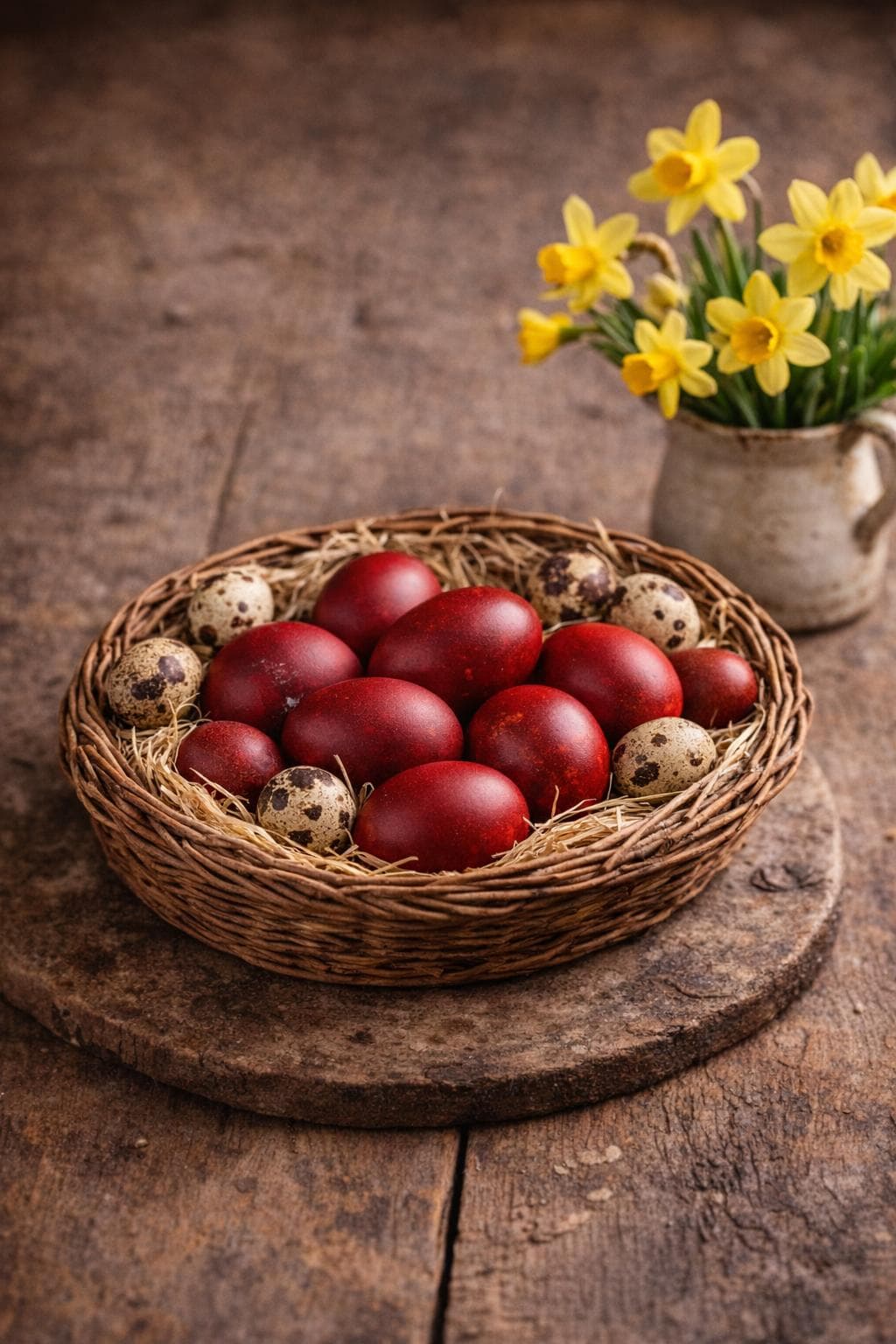
Eggs are one of the most recognisable symbols of Easter today, appearing in everything from chocolate treats to elaborate decorations.
But long before they became part of modern celebrations, eggs carried a deeper meaning — one shaped by early Christianity, seasonal practices, and centuries of evolving tradition.
The story of Easter eggs is not just about symbolism. It is about how a simple, everyday ingredient became one of the most enduring markers of the season.
The Earliest Christian Use of Eggs
The tradition of Easter eggs is often traced back to early Christians in Mesopotamia, one of the earliest centres of Christianity.
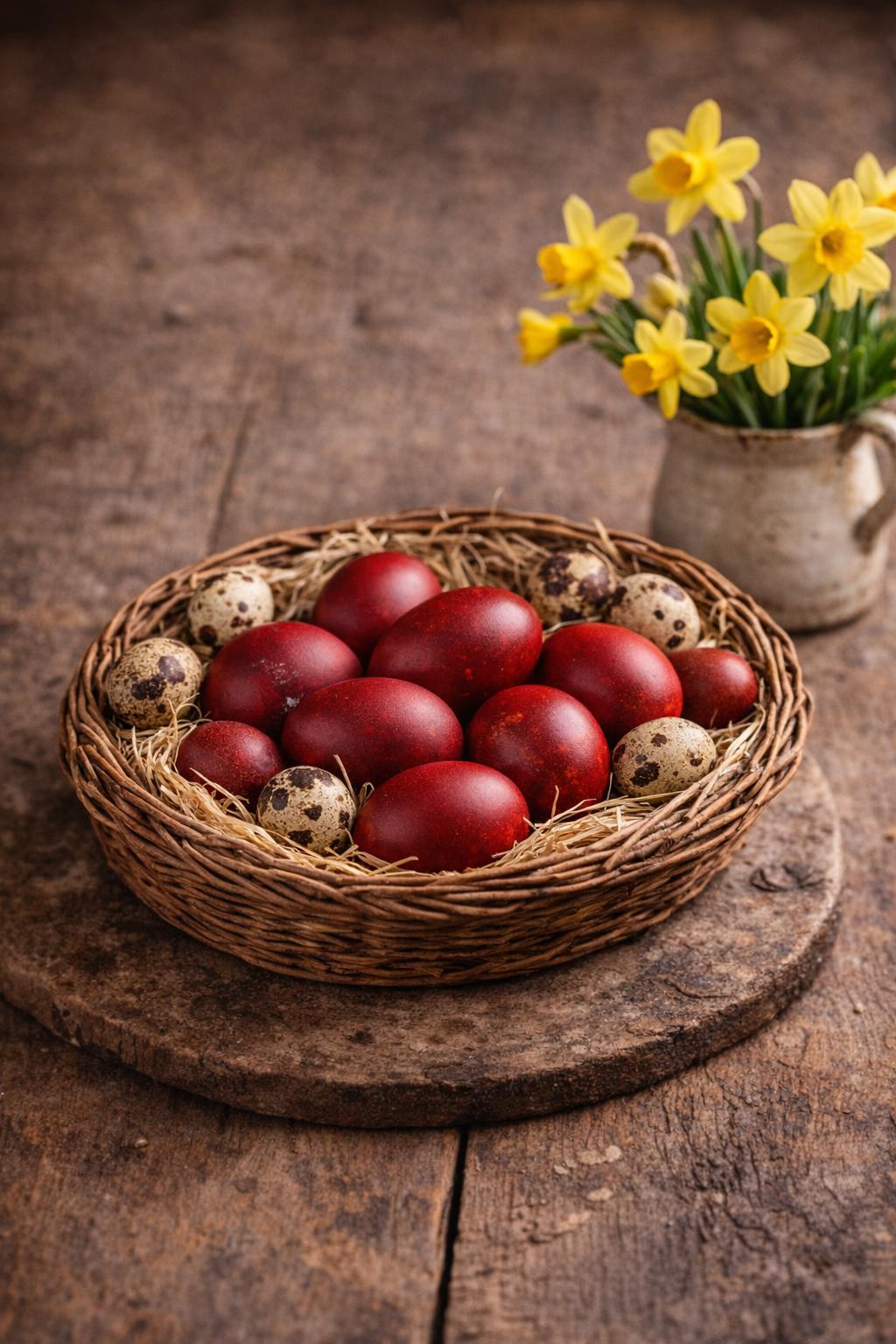
Historical accounts suggest that eggs were dyed red to represent the blood of Christ, linking them directly to the crucifixion. Over time, this practice spread to other parts of the Christian world, particularly within Eastern Orthodox traditions.
In these communities, eggs were not merely decorative. They were part of religious observance — shared, blessed, and used to express the meaning of Easter itself.
A Symbol of the Resurrection
Beyond their colour, eggs carried a powerful symbolic meaning.
The shell of the egg was seen as representing the sealed tomb of Christ, while the act of breaking it symbolised the resurrection — the emergence of life from what appeared lifeless.
This symbolism made the egg a natural expression of Easter, aligning with the central message of renewal and new life.
While this interpretation became firmly rooted in Christianity, it also resonated with earlier associations of eggs as symbols of rebirth, especially in springtime.
Why Eggs Became an Easter Tradition
One of the most important, and often overlooked, reasons for the rise of Easter eggs lies in Lent.
During the 40 days leading up to Easter, many Christians traditionally avoided rich foods, including eggs, dairy, and meat. Rather than wasting eggs laid during this period, they were often boiled or preserved, creating a surplus.
When Easter arrived and the fast ended, these eggs became part of the celebration.
They were eaten as a sign of the end of fasting, shared with family and neighbours, and given as gifts.
What began as a practical solution gradually became a meaningful tradition.
From Ritual to Everyday Practice
As the tradition spread across Europe, Easter eggs took on different forms depending on local customs.
In some regions, eggs were blessed in churches, distributed to the poor, and exchanged as tokens of goodwill.
In others, they were decorated with natural dyes, patterns, or religious symbols, reflecting both creativity and regional identity.
Over time, what began as a religious and seasonal practice became more embedded in everyday life, especially within families and communities.
Before Christianity: Earlier Meanings of the Egg
Eggs had long been associated with new life and renewal even before the rise of Christianity.
In many ancient cultures, eggs were linked to spring festivals and the changing of seasons. Their natural symbolism made them an easy and powerful image of rebirth.
Rather than replacing these meanings entirely, early Christians gave the egg a new interpretation, tying it to the resurrection while allowing older associations to continue alongside it.
This layering of meaning helps explain why the symbol endured so strongly across time and cultures.
The Evolution into Modern Traditions
By the 18th and 19th centuries, Easter egg traditions had become more widespread and varied.
Decorated eggs, egg games, and gifting practices became common across Europe. Eventually, these traditions evolved further with the introduction of chocolate eggs, particularly in Western Europe.
Today, Easter eggs appear in many forms, from simple dyed eggs to elaborate confections, but they all trace back to the same core ideas of renewal, celebration, and shared tradition.
Why the Tradition Endures
The story of Easter eggs is not tied to a single moment in history.
Instead, it reflects a gradual process shaped by early Christian symbolism, practical traditions during Lent, and the blending of older cultural meanings with new religious ones.
What began as a simple act, preserving and sharing eggs, became a tradition that continues to evolve, while still carrying echoes of its origins.