
Around the World in 80 Bakes: Stop #38 — Runeberg Torte
Every year on 5 February, Finland celebrates the birthday of national poet Johan Ludvig Runeberg. But for many Finns, the day is marked not by poetry readings or formal ceremonies, but by the enjoyment of a small, humble yet deeply meaningful pastry: the Runeberg torte.
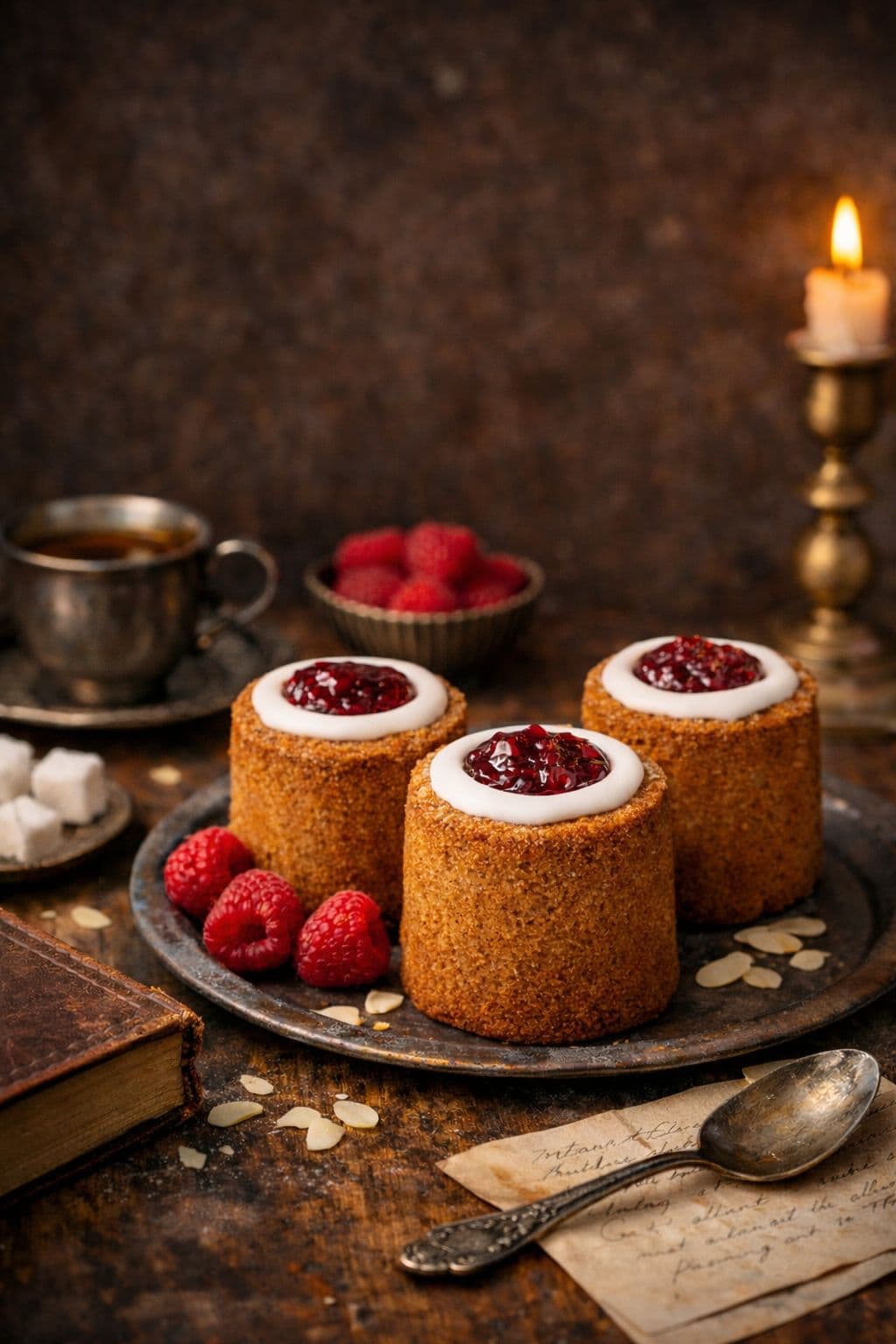
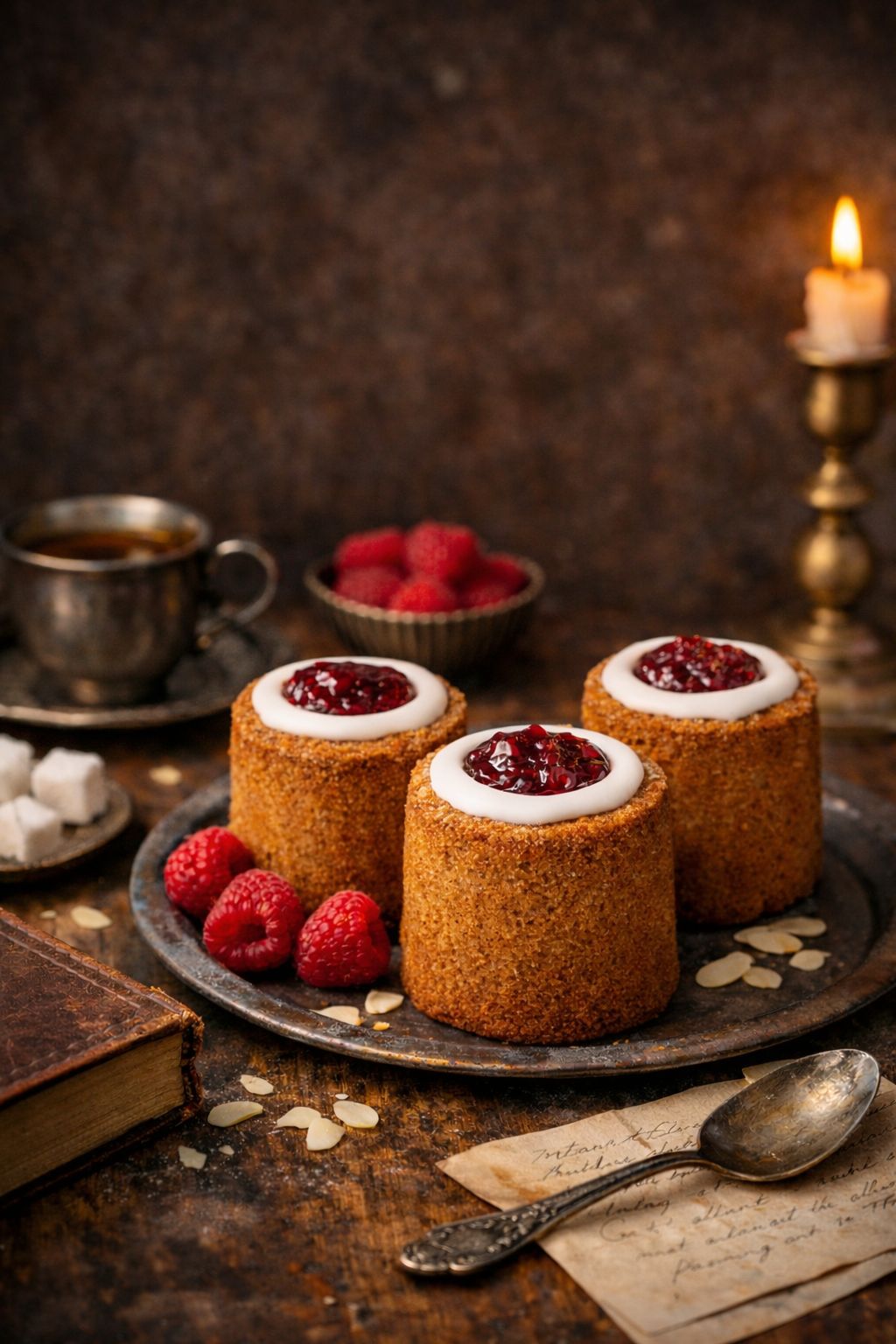
Weeks ahead of Runeberg Day, shops, cafes and bakeries across Finland begin stocking the familiar cylindrical cakes, topped with a dollop of raspberry jam and a delicate ring of icing. Their appearance signals the slow shift from the depths of winter to the quiet promise of spring.
Interest in Runeberg Day remains strong in modern Finland. A recent feature in Turun Sanomat titled “The World’s Largest Runeberg Cake Was Baked in Turku: ‘There’s Such an Unreal Feeling in the Air’” (5 February 2026) is just one example of how these tortes continue to inspire local pride and culinary creativity.
More Than a Pastry: A Cultural Ritual
While Runeberg Day honours literary legacy and national identity, food plays a central role in the celebration. The Runeberg torte has become one of Finland’s most recognisable seasonal bakes, enjoyed in homes, schools, workplaces and cafés throughout the country.
Unlike major public holidays, the day is marked in quiet and personal ways. Families serve the pastry alongside afternoon coffee, colleagues share tortes during coffee breaks, and bakeries often showcase their own house recipes. The celebration reflects a broader Nordic appreciation for seasonal foods that return each year, carrying both memory and meaning.
For many, Runeberg tortes are not just desserts — they are edible symbols of Finnish heritage and the comforting rhythm of the national calendar.
The Story Behind the Cake
The Runeberg torte is traditionally linked to Fredrika Runeberg, the poet’s wife. According to culinary lore, Fredrika crafted the original pastry using ingredients she had on hand: breadcrumbs, almonds, and leftover baked goods, enriched with a touch of punch or rum, and finished with jam.
But Fredrika Runeberg was much more than a poet’s spouse. She was a pioneering writer and one of Finland’s earliest female novelists and cookbook authors, dedicated to documenting household recipes and preserving culinary traditions. Her connection to the torte adds a powerful historical dimension, blending literary and domestic legacy into one enduring treat.
Whether or not the recipe truly originated in Fredrika’s kitchen, her influence remains central to the pastry’s story.
Cafes and Bakeries
During the Runeberg season, Finnish bakeries take great pride in their versions of the torte. Some follow tradition closely, while others offer modern twists in flavour or presentation. Buying one from a favourite café or bakery is a cherished ritual for many.
In the weeks leading up to Runeberg Day, I noticed the tortes almost everywhere, from grocery stores to corner cafes. Supermarkets often stock multiple versions by local producers, while independent bakeries feature their own signature takes.
The sheer visibility of the pastry across everyday settings gave me a deeper appreciation for its role in Finnish food culture. It feels less like a dessert and more like a shared seasonal moment, a quiet celebration of identity, repeated every winter.
Home Baking Traditions
Many Finnish families bake Runeberg tortes at home, using handed-down recipes or modern adaptations. The ingredients are pantry-friendly, making the pastry accessible for bakers of all experience levels. For some, it’s a nostalgic return to childhood; for others, it’s a way to pass tradition from one generation to the next.
Schools and Workplaces
Runeberg tortes are commonly served in schools and workplace coffee rooms during early February. These simple, shared experiences help embed the tradition into everyday life, year after year.
Social Media and Modern Celebrations
Social media has brought new visibility to the Runeberg torte. From miniature versions to elaborately decorated reinterpretations, modern bakers continue to honour the pastry’s roots while adding their own creative flair. It’s a blend of past and present: heritage in edible form, adapted for today’s platforms.
Why Seasonal Pastries Matter
Runeberg tortes are part of a broader Nordic tradition of marking the seasons through food. Just as Shrovetide buns herald spring and Christmas pastries signal the festive season, the Runeberg torte is a culinary bookmark that connects February to Finland’s cultural memory.
These seasonal bakes create anticipation. Their fleeting appearance makes them feel special, encouraging communities to gather around moments that might otherwise be lost in the passage of time. In many ways, Runeberg tortes preserve culture through taste, a kind of storytelling more enduring than words alone.
A Taste of Finnish Identity
Runeberg Day is a reminder that food is not just nourishment, it’s a vessel of history, memory, and meaning. The torte itself may be small and simple, but it represents literary legacy, family ritual, and national pride.
For visitors to Finland, tasting a Runeberg torte offers an intimate introduction to the culture. For locals, it’s a comforting link to the past, a familiar flavour that returns, year after year, like clockwork.
Bake Your Own Runeberg Tortes
Want to try this iconic Finnish pastry at home?