Around the World in 80 Bakes: Stop #32 — Lemon Drizzle Cake
As we journey through Around the World in 80 Bakes, there’s something special about pausing in Britain at the very start of the year when days are short, air is brisk, and the kitchen calls for warmth. Among the many beloved bakes of the British Isles, one stands out for its quiet brightness and timeless appeal: the lemon drizzle cake.
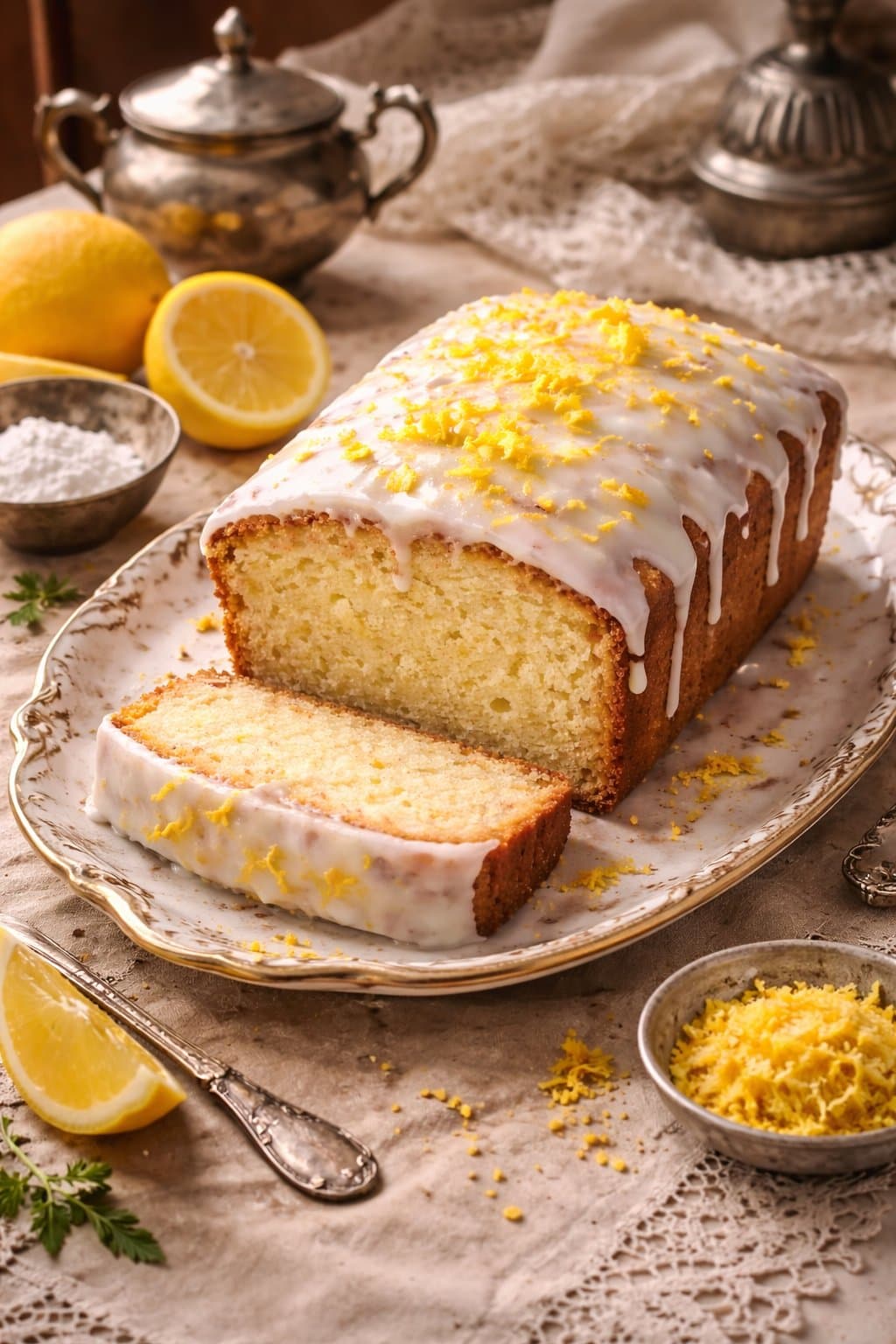
This simple loaf with its soft crumb, zingy citrus notes, and golden sugar-glazed crust, has become a symbol of home comfort and tea-time tradition. And in early January, when many of us are looking for gentle, grounding routines, it feels just right.
Lemon drizzle loaf is more than a recipe. It’s a rhythm, a reminder that something small and bright can lift even the greyest day.
From Pound Cake to Drizzle: A Citrus-Scented Evolution
Lemon drizzle cake evolved from the pound cake, an English teatime staple dating back to the 1700s, when cakes were often dense, simple, and made with equal parts flour, butter, sugar, and eggs. These early cakes were flavoured with spices or dried fruit. As citrus fruits became more widely available through European trade, lemon started to appear in British kitchens.
The innovation was subtle but clever: bakers began soaking sponge cakes with lemon juice and sugar while still warm, creating a syrup-soaked crust that locked in moisture and added brightness. Over time, this evolved into the version we recognise today: a light sponge with lemon zest folded in, topped with a glossy, crackled drizzle.
Mid-20th Century Popularity and Post-War Simplicity
While the drizzle cake doesn’t have a single inventor, its popularity rose notably in post–World War II Britain, when rationing ended and home baking flourished again. It was practical: easy to make, relatively inexpensive, and didn’t require fancy ingredients. British food writer Evelyn Rose helped cement its reputation in the late 1960s with her well-loved “luscious lemon cake,” introducing the idea to a wider audience.
By the 1970s, lemon drizzle cake had become a regular feature at tea tables, school fetes, and community bake sales across the UK.
A Slice of British Everyday Life
Unlike towering trifles or multi-layered gateaux, lemon drizzle cake represents something quieter: the joy of a soft slice on a winter afternoon, often shared with tea or coffee. It’s a cake that belongs in ordinary moments, which makes it extraordinary.
Its signature drizzle creates a fine sugar crust that crackles slightly under your fork. This textural contrast, paired with the zestiness of lemon, is what gives the cake its staying power. Sweet but never cloying, light but deeply satisfying, the lemon drizzle sits right at the intersection of flavour, familiarity, and feeling.
A Comfort Bake Worth Sharing
As we travel through Around the World in 80 Bakes, Britain’s lemon drizzle loaf reminds us that not all heritage bakes need centuries of lore. Some simply endure because they bring joy.
And what better time to enjoy one than in January, when we crave renewal, warmth, and something homemade to anchor the year ahead?
Whether you’re returning to baking after a busy holiday season or just in search of something soothing and lemon-scented, this British classic is a beautiful place to begin.
Want to try baking your own? Here’s the classic lemon drizzle loaf recipe.