Around the World in 80 Bakes: Stop #33 - Macaron
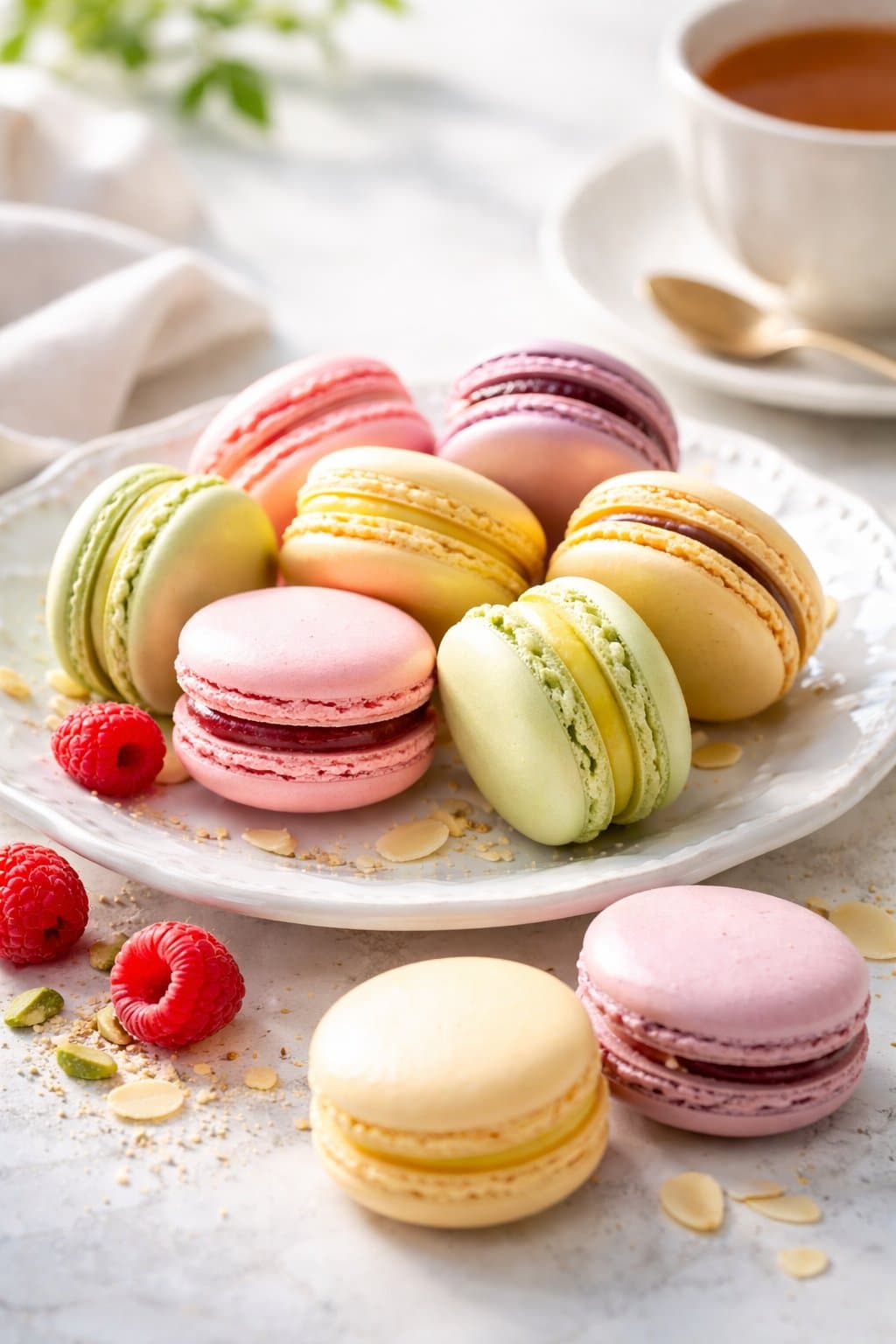
At first glance, macarons might seem like quintessentially French. But like many great culinary treasures, their history is far older and more layered than you might expect. From early confections in medieval Europe to a generational bakery tradition in Lorraine, the story of the macaron is a delicious journey of evolution and adaptation.
A Name, a Cookie, a Mystery
The word macaron likely stems from the Italian maccarone (or maccherone), meaning a paste — reflecting the almond and egg‑white dough that forms the basis of the cookie. Some linguists even see links to medieval Italian dialects where macaroni and similar terms referred to anything made from beaten or pounded dough. This connection reminds us that many foods we now think of as distinctly French often travelled across borders centuries before they became associated with a single nation.
Historians believe that macarons or similar almond biscuits were enjoyed in various forms in Europe long before they became iconic in France, possibly as early as the Middle Ages though the exact details are lost to time.
Into France — Gradually, Not Magically
A popular legend holds that Italian noblewoman Catherine de’ Medici brought macarons to France in the 16th century when she married the future king, Henry II. While this story is widely repeated, closer historical investigations suggest it’s more myth than fact. Official records don’t confirm the presence of Italian pastry chefs in her household. Instead, it seems more likely that almond‑based cookies travelled organically into France through evolving tastes and cookery exchanges across Europe rather than from a single moment in history.
What is clear is that by the middle of the 1500s, macarons in its simple, single‑layer form were part of French culinary repertoire. They show up in contemporary writings and are described as small round almond cakes enjoyed by the curious and the elite alike.
Macarons des Sœurs: The Most Enduring Legacy
One of the most well-documented chapters in macaron history centres on Nancy, in the Lorraine region, and the famed Macarons des Sœurs. During the French Revolution, two Carmelite nuns were forced to leave their convent when religious orders were dissolved. To support themselves, they baked and sold simple almond macarons made with sugar, egg whites, and ground almonds.
These macarons were not sandwiched or coloured; just crisp on the outside and chewy within. They became so beloved that their recipe and name endured. Today, Macarons des Sœurs are still produced in Nancy, representing one of the most continuous and authentic links to the macaron’s past.
For readers interested in the full historical context and debate surrounding macaron origins, you may want to refer to this detailed BBC Travel article that explores this story in depth.
The Parisian Reinvention
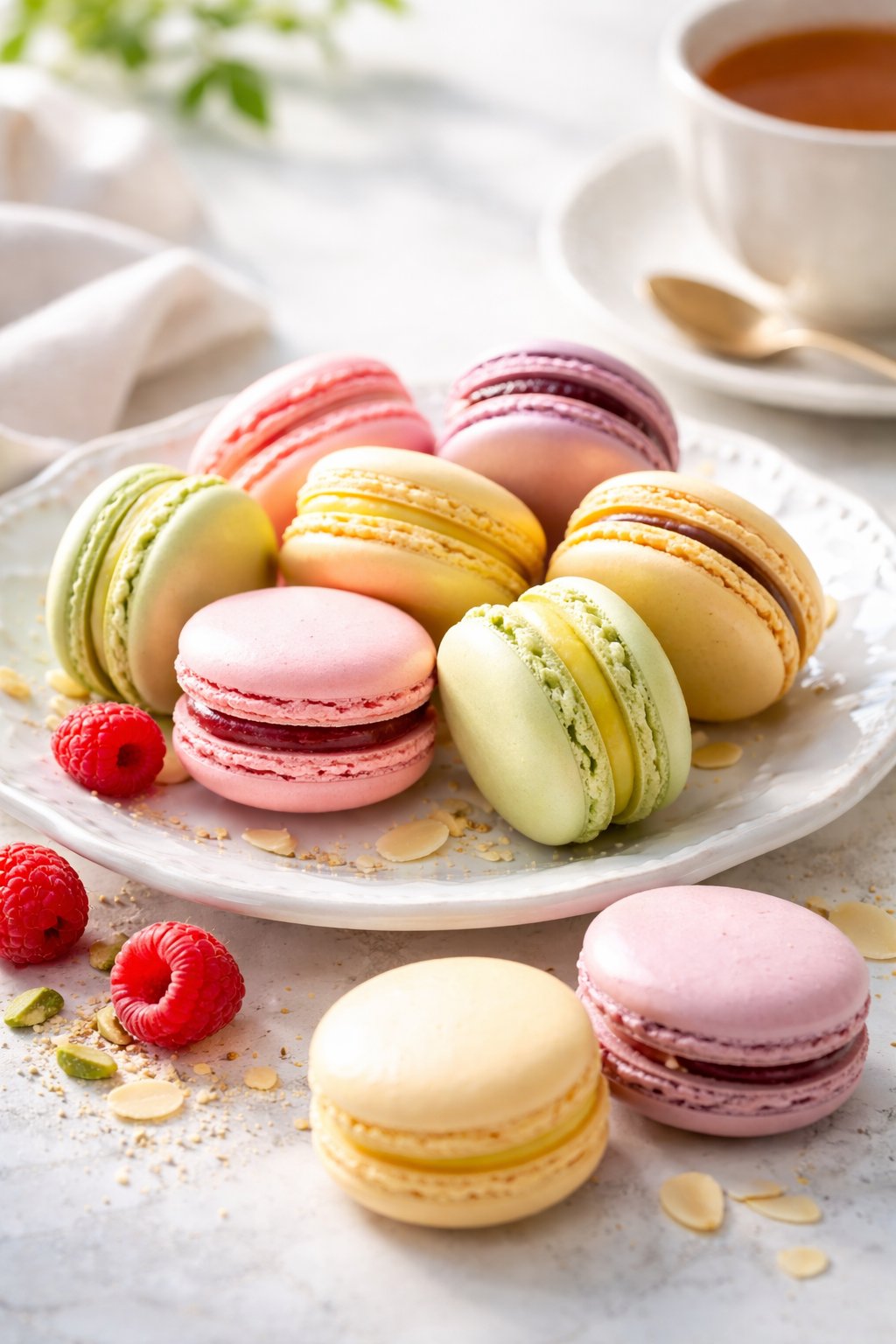
For centuries, macarons remained single almond cookies. The version most people recognise today whereby two shells joined with a soft filling emerged only in the early 20th century. This transformation is widely credited to Pierre Desfontaines of Ladurée, who paired delicate shells with ganache, buttercream, or jam.
This innovation turned the macaron into a canvas for flavour and colour, paving the way for the creations seen in Parisian patisseries and beyond.
From Regional Biscuit to Global Icon
Today, macarons are enjoyed worldwide, from classic vanilla and chocolate to flavours inspired by local tastes and ingredients. Despite their modern image, their appeal lies in a long history of refinement rather than reinvention, proof that even the most elegant pastries often begin as humble bakes.
Ready to bake them yourself?
Discover how to make classic French macarons at home in our step‑by‑step recipe.