Eggs in Baking
Structure, richness, leavening, and emulsification — the multitasking role of eggs in baking.
Eggs are multitaskers: they provide structure, moisture, richness, and leavening. Whole eggs, yolks, and whites each play different roles. The proteins in egg whites and yolks coagulate when heated to set a bake's structure, while egg yolks add fat and lecithin for emulsification. Room temperature eggs incorporate better into batters, and fresh eggs create more stable foams.
Heritage & History
Eggs have been central to European baking since at least the Renaissance, enabling the creation of enriched breads, custards, and choux pastry. The development of meringue in the 17th century demonstrated the extraordinary leavening power of whipped egg whites. Many heritage recipes rely on eggs as the sole leavening agent — the classic Victoria sponge was originally raised purely by the volume beaten into eggs and butter.
Types of Eggs
Whole Eggs
Provide structure (protein), richness (fat from yolk), and moisture. The most common form in baking.
Egg Yolks
Rich in fat and lecithin. Add creaminess and colour; used alone in custards, crème brûlée, and enriched pastries.
Egg Whites
Primarily protein and water. Whipped to stiff peaks they create light, airy meringues, soufflés, and angel food cake.
Large Eggs
The standard size in most recipes (approx. 50g without shell). Always use large unless specified otherwise.
Essential Tips
Bring eggs to room temperature by placing in warm water for 5 minutes before using
Separate eggs while cold, then let whites warm to room temperature for best meringue volume
A single drop of yolk in egg whites will prevent them from whipping properly
One large egg equals approximately 3 tablespoons liquid, or 50g
Substitutions
Flax egg: 1 tablespoon ground flaxseed + 3 tablespoons water, rest 5 minutes (best for cookies and quick breads)
Aquafaba: 3 tablespoons chickpea liquid = 1 whole egg or 2 tablespoons = 1 white (excellent for meringue)
Banana: 1/4 mashed ripe banana = 1 egg (adds flavour, best in quick breads and muffins)
Common Questions About Eggs
Why do recipes specify room temperature eggs?
Room temperature eggs (around 65–70°F / 18–21°C) incorporate more easily into batters. Cold eggs can cause creamed butter to seize or curdle when added, breaking the emulsion. Warm egg whites also whip to greater volume than cold ones. To quickly bring eggs to room temperature, submerge them in a bowl of warm (not hot) water for 5–10 minutes.
What happens if I use too many or too few eggs in a recipe?
Eggs provide structure, so too few eggs result in a flat, dense bake that may collapse. Too many eggs create a rubbery, eggy texture as excess protein over-sets during baking. In custards and curd, too few eggs means the mixture won't set; too many make it grainy. Always follow recipe quantities for eggs carefully.
Can I use egg substitutes for baking?
Yes, depending on the recipe. In cakes and quick breads where eggs provide mainly moisture and binding, flax eggs or commercial egg replacers work well. In recipes where eggs provide significant leavening (sponge cakes, soufflés) or need to whip to stiff peaks (meringue), substitutes are much harder to replicate — aquafaba is the best option for meringue.
Why do some recipes use only yolks or only whites?
Recipes using only yolks (crème brûlée, hollandaise, lemon curd) want maximum richness and a creamy, set texture without egg white's firming effect. Recipes using only whites (meringue, angel food cake, financiers) want the structural protein and air-holding ability of whites without the added fat from yolks, which would deflate the foam.
Recipes with Eggs
All recipes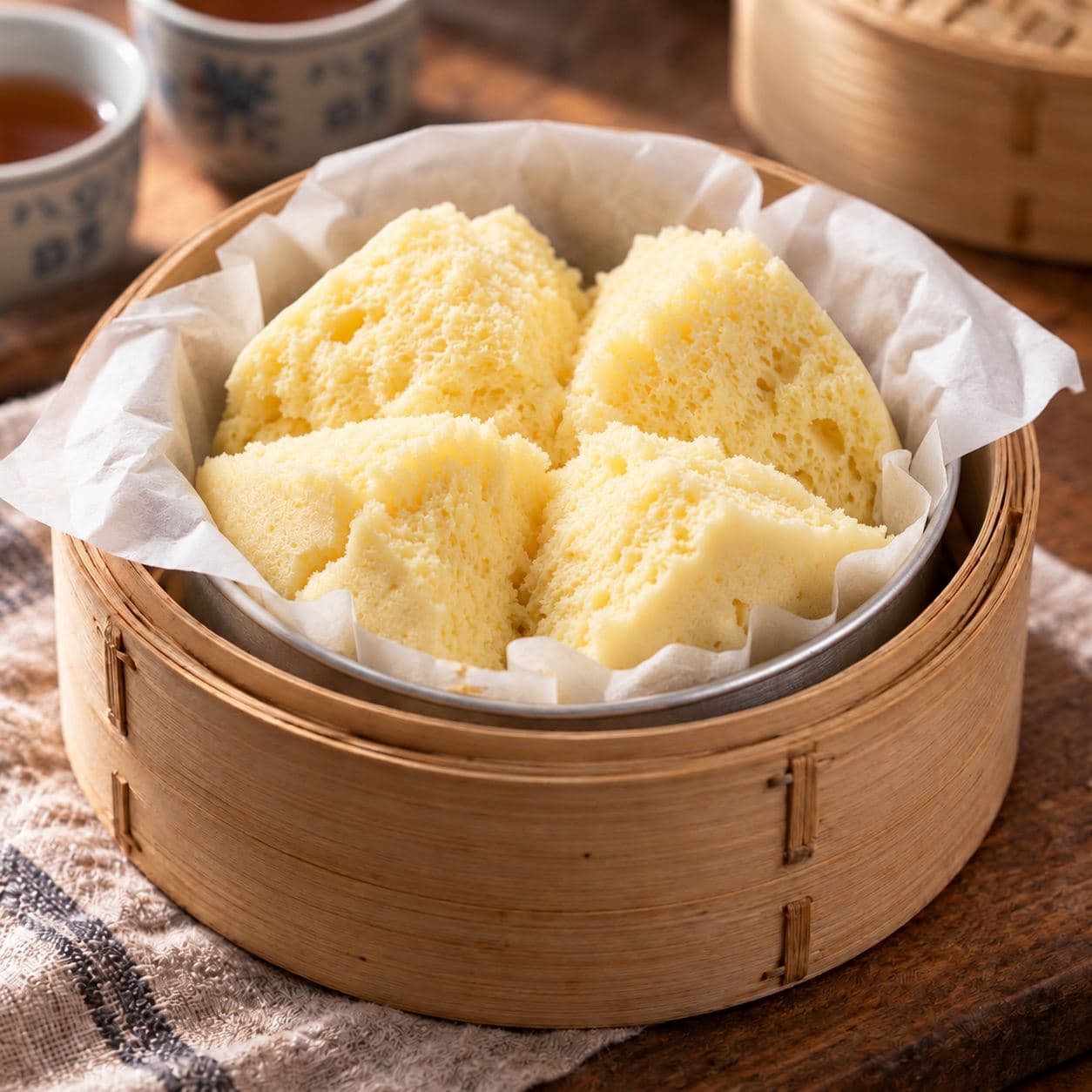
Traditional Kueh Neng Ko Recipe
Make traditional kueh neng ko, a light Chinese steamed egg cake prepared with just eggs, sugar and flour and finished with its distinctive split top.
30 minutes40 minutes min total
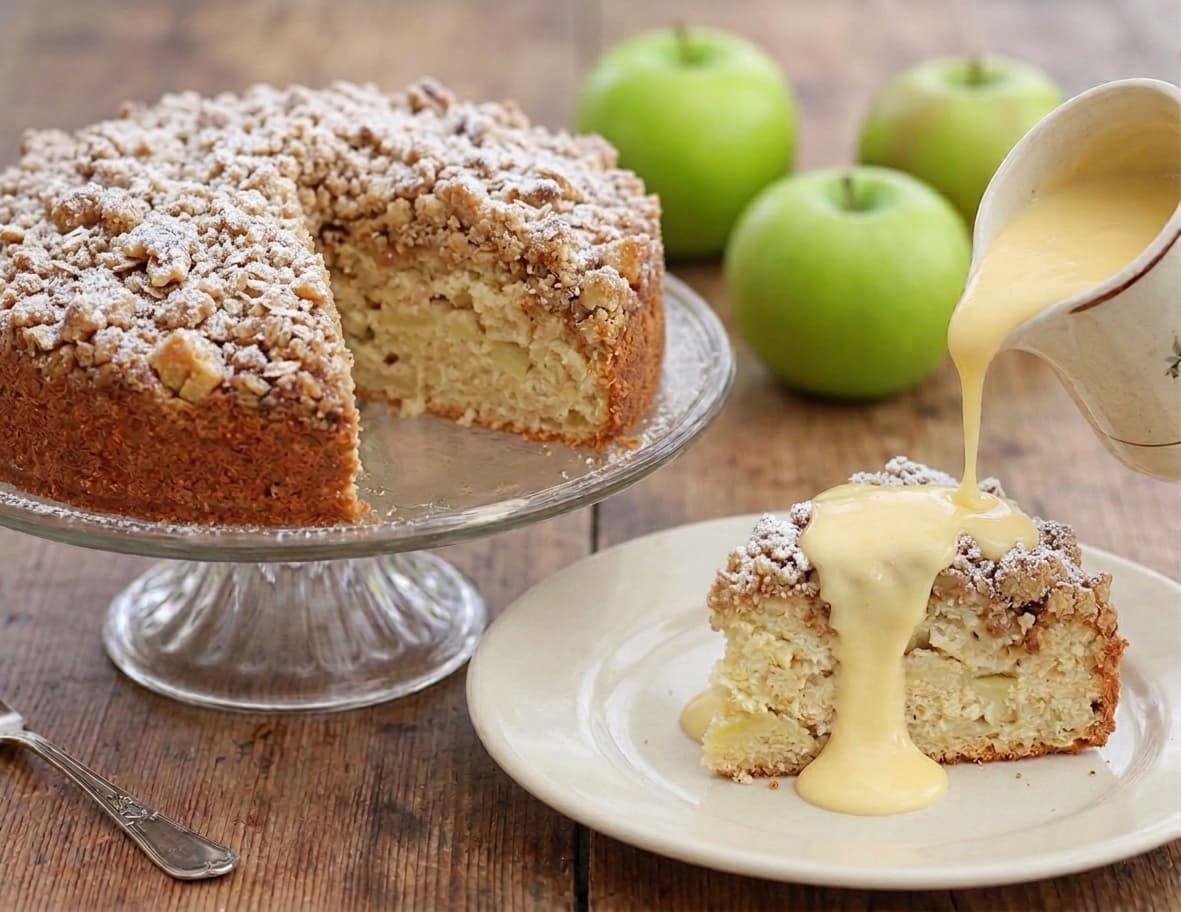
Traditional Irish Apple Cake with Custard Sauce
Bake a rustic Irish apple cake filled with tender apples and warm spices, finished with a crisp sugar crust and served with homemade custard.
35 minutes50-60 minutes min total
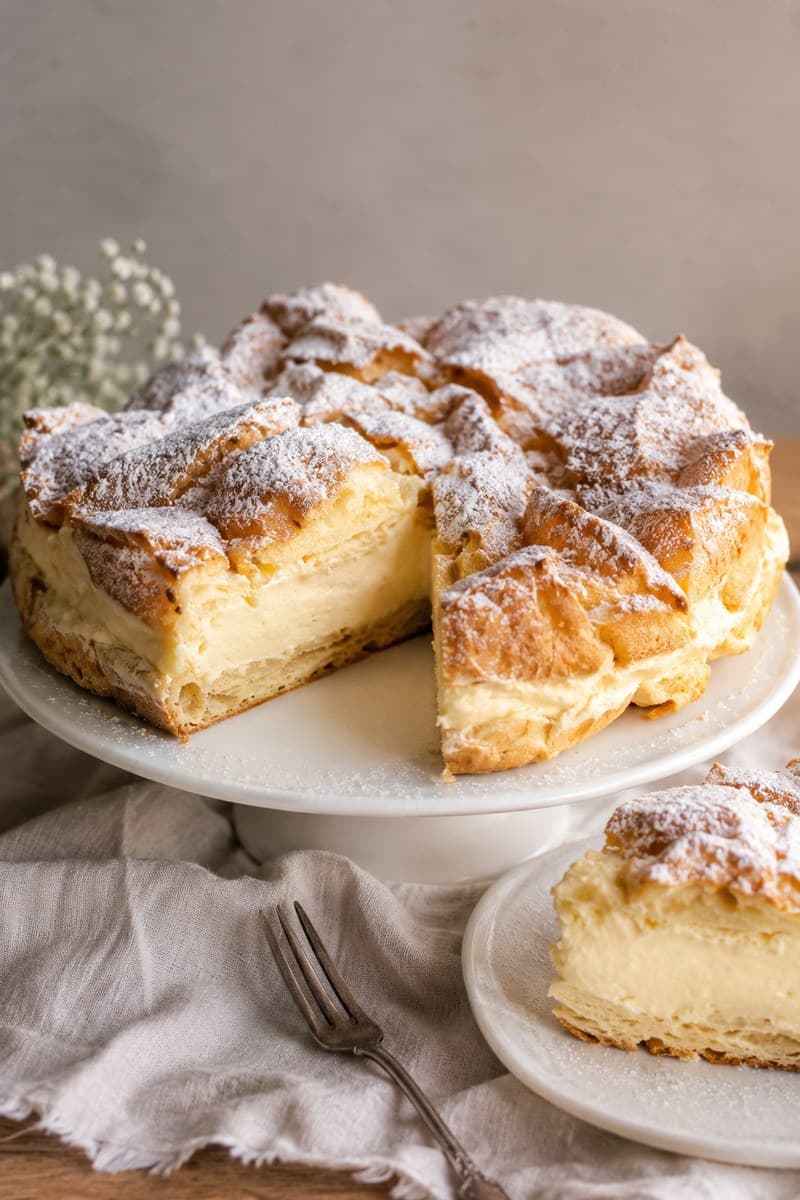
Karpatka Recipe: Polish Carpathian Mountain Cream Cake
Make traditional Polish karpatka with crisp choux pastry, smooth vanilla custard cream and a dusting of icing sugar.
35 minutes25-30 minutes per layer (At least 4 hours chilling time) min total
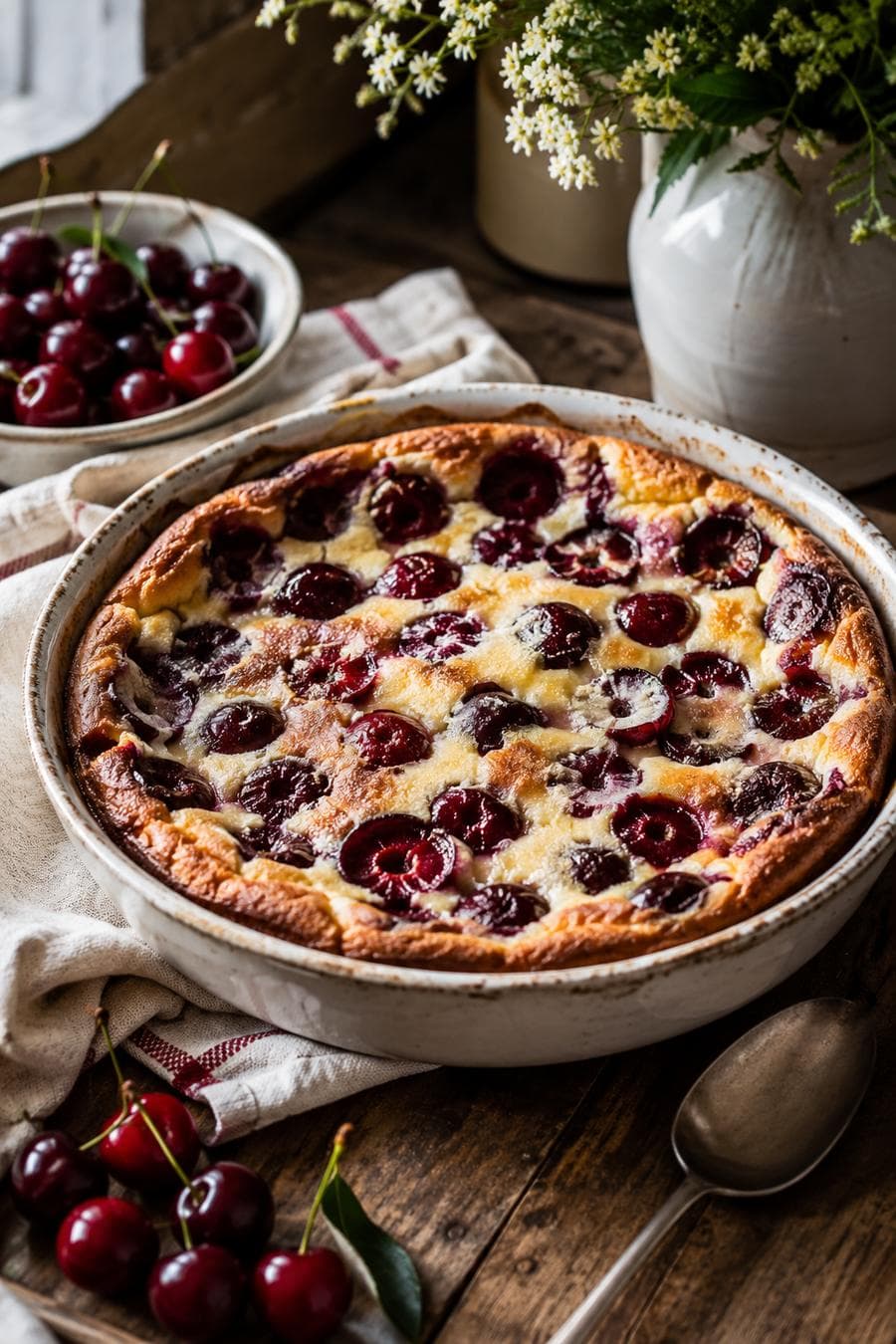
Cherry Clafoutis Recipe
Make an easy cherry clafoutis with fresh, frozen or canned cherries baked in a soft, custard-like batter. A simple classic French dessert.
30 minutes35-40 minutes min total
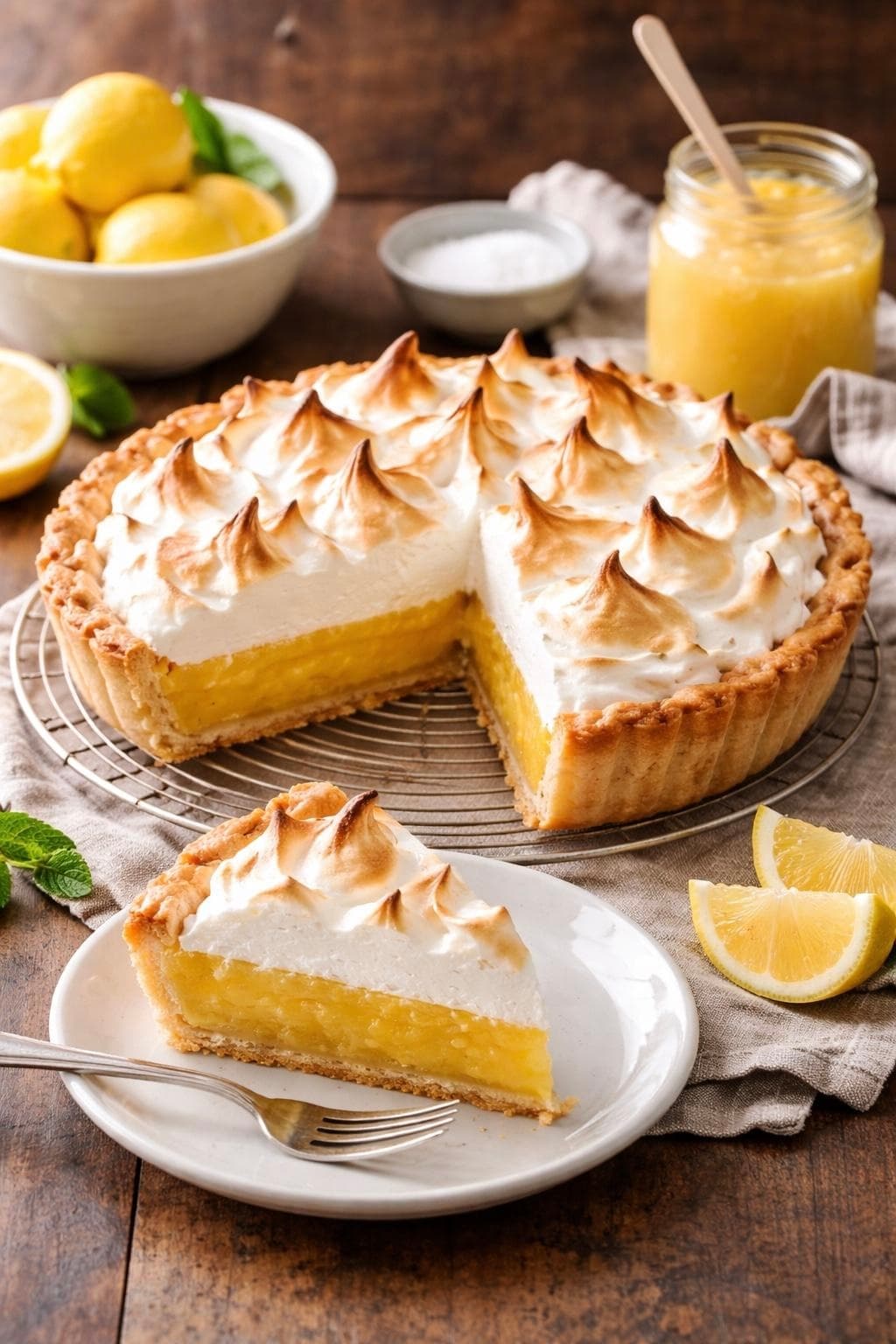
Lemon Meringue Pie
Classic lemon meringue pie recipe with a crisp crust, tangy lemon filling, and soft meringue topping. A timeless American dessert.
30 minutes40 minutes min total
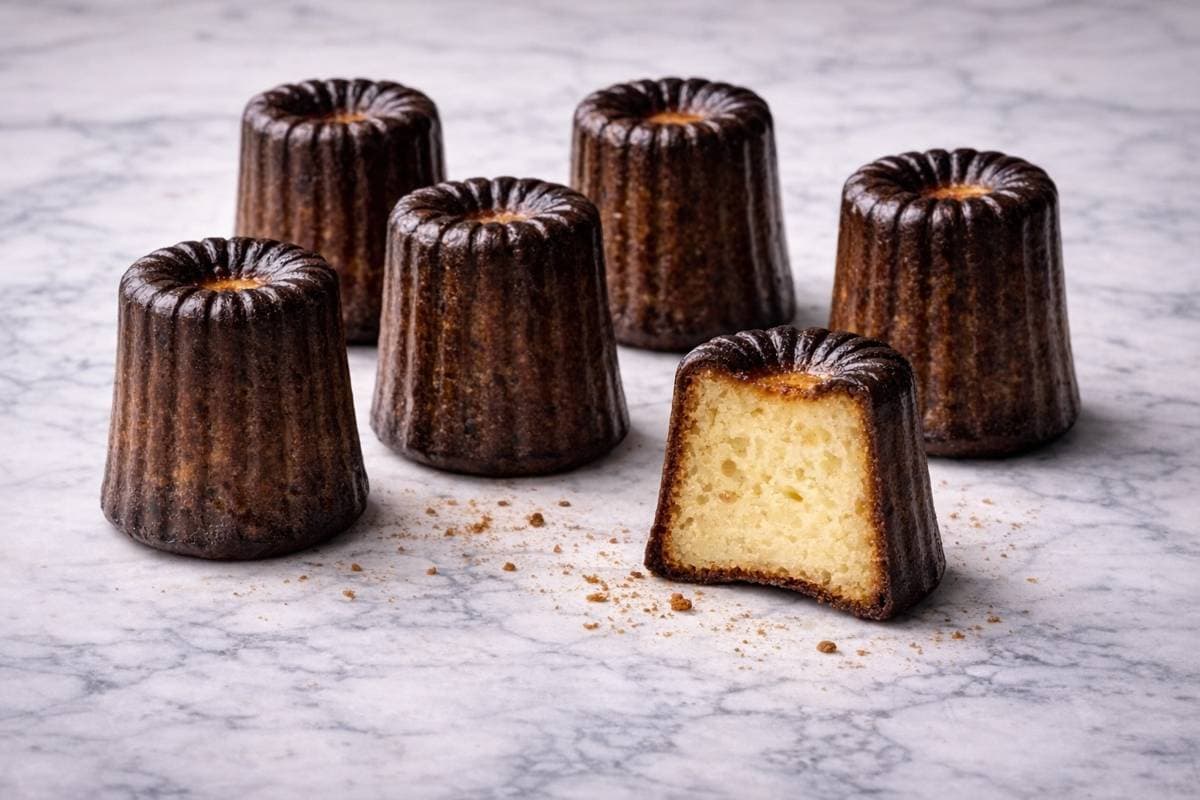
Canelés: The Classic French Pastry
Traditional French canelés with a caramelised crust and custard centre. Learn how to make this Bordeaux classic at home with simple ingredients.
25 minutes (plus resting time of 24 hours)50-60 minutes min total
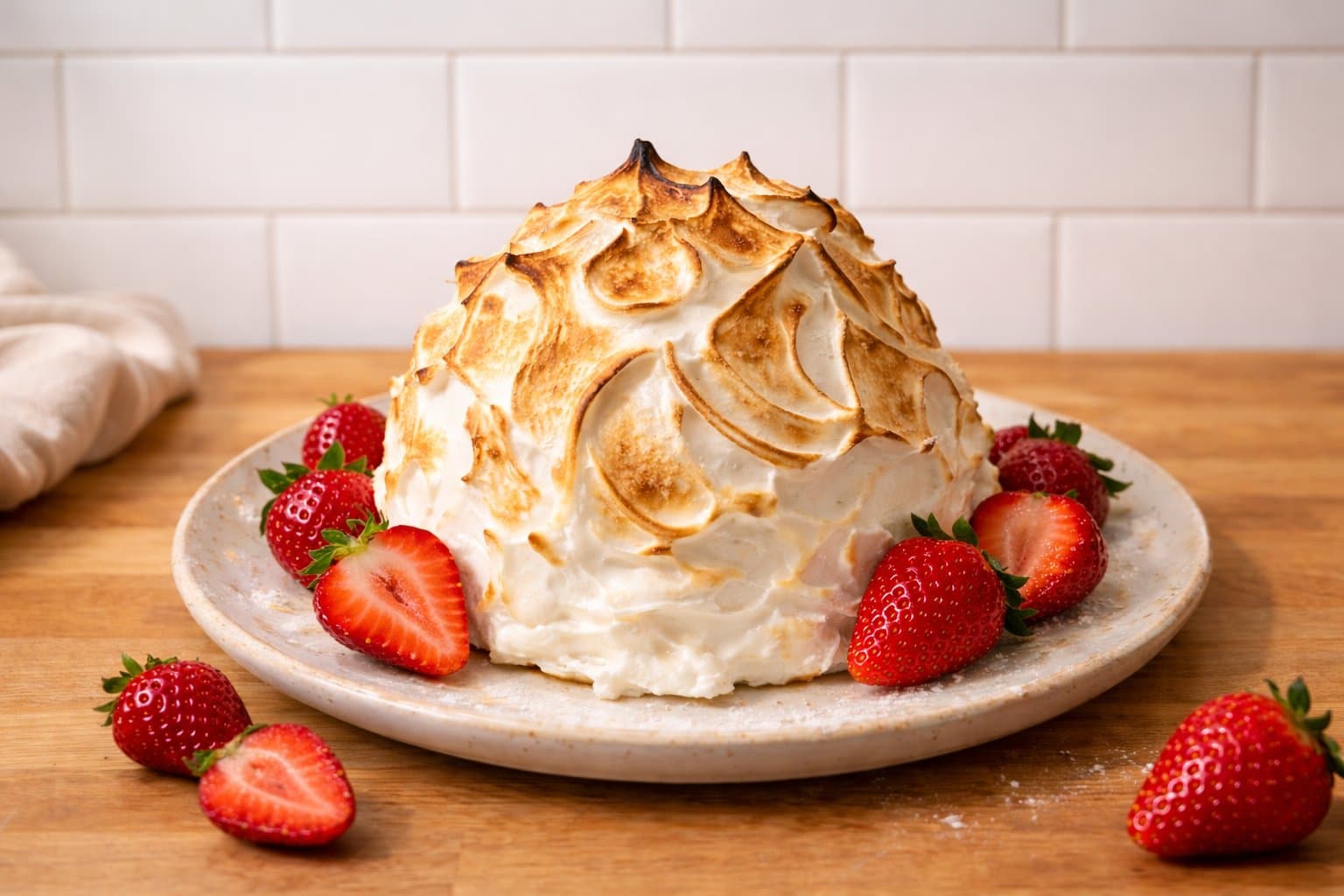
Baked Alaska
Make a classic Baked Alaska with sponge cake, ice cream, and toasted meringue. A dramatic fire-and-ice dessert perfect for dinner parties.
30 minutes (excluding time to bake sponge)3-5 minutes (2-3 hours freezing time) min total
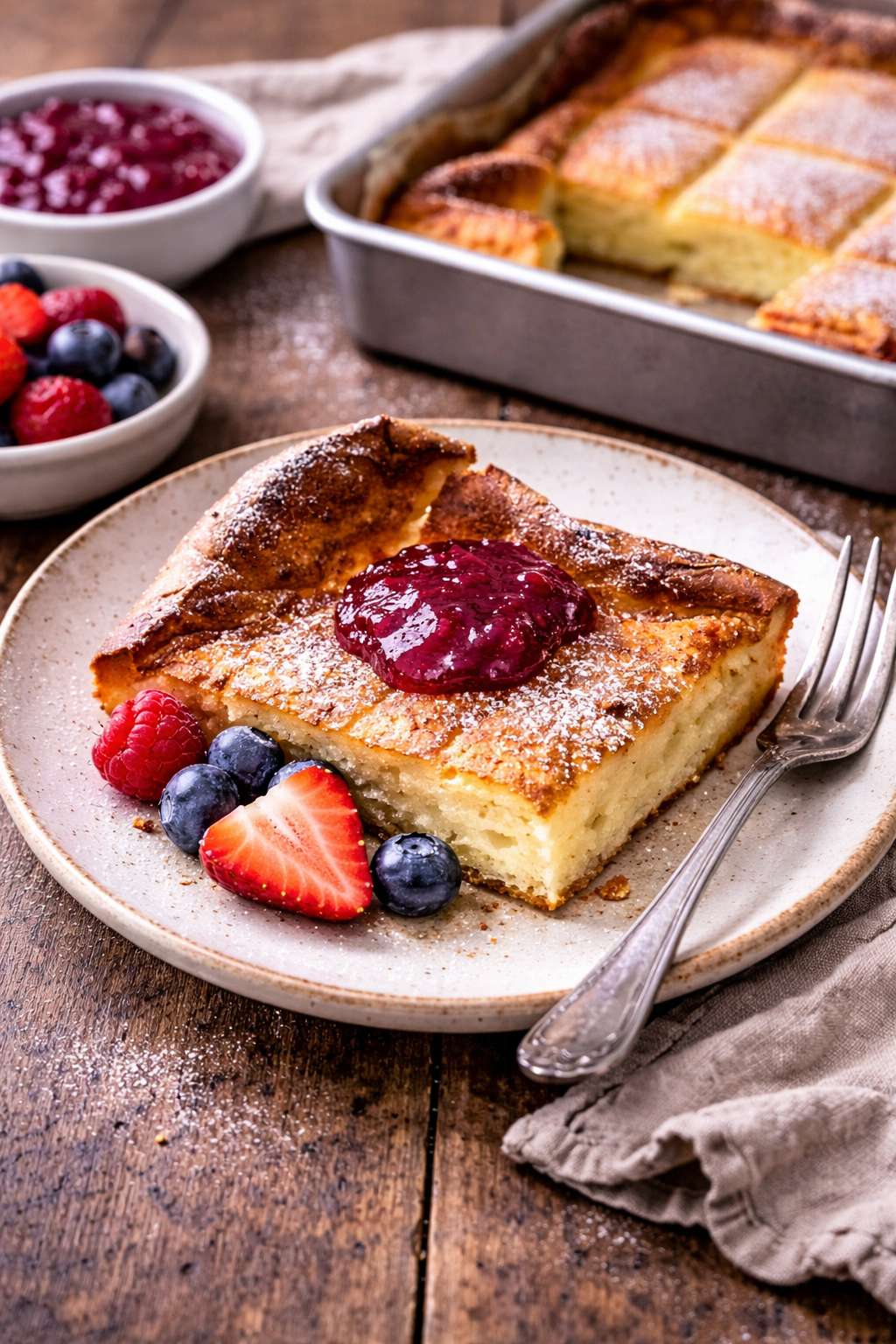
Finnish Oven Pancake (Pannukakku)
Make pannukakku, the beloved Finnish oven pancake with golden edges and a custardy centre, perfect with jam, berries, or a dusting of sugar.
15 minutes30-35 minutes min total
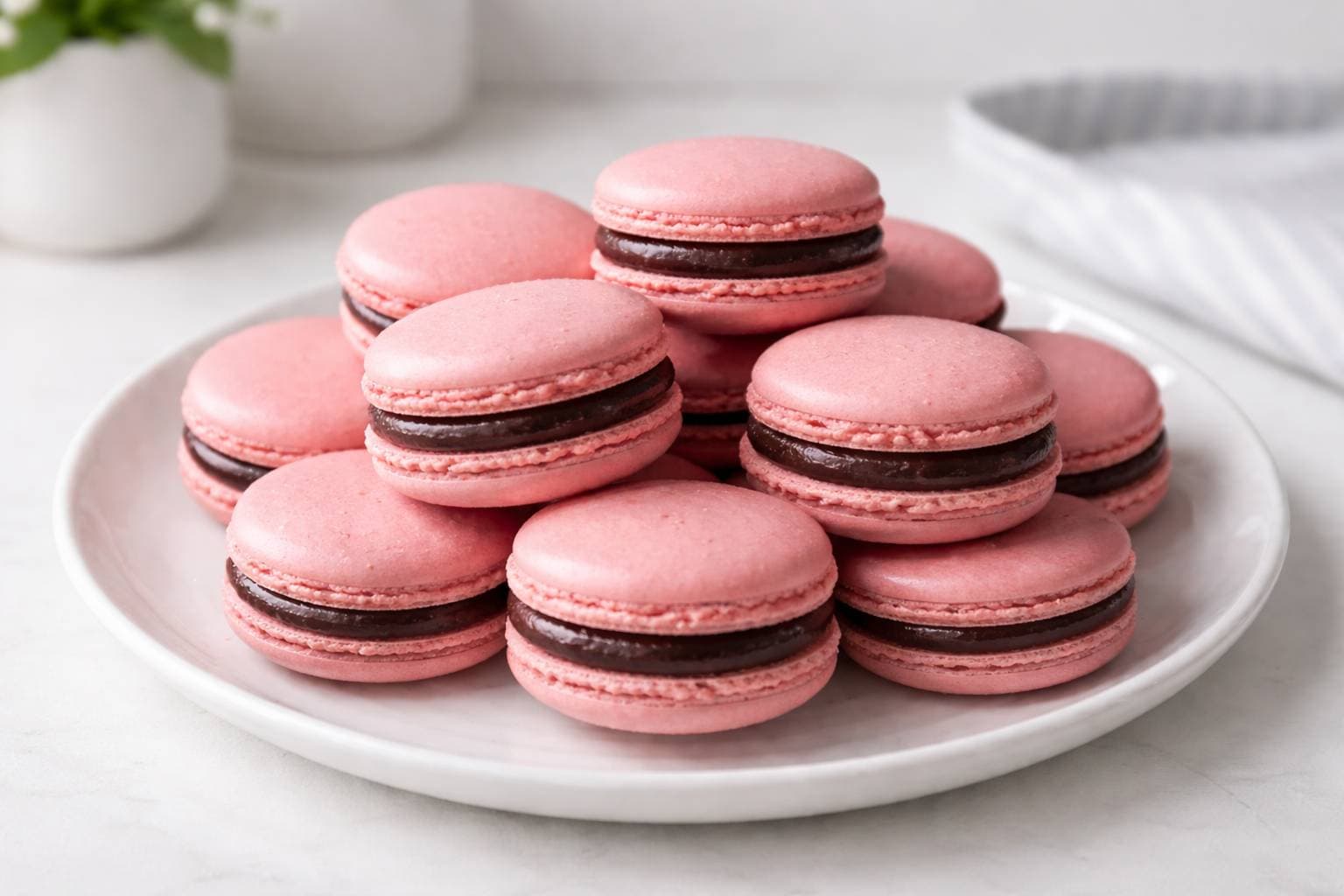
Macaron Recipe with Chocolate Ganache & Jam
Master Italian meringue macarons at home with this recipe featuring dark chocolate ganache and a sweet strawberry jam centre. Elegant, crisp, and delicious.
45 minutes (plus resting)12-14 minutes min total