
Sugar & Sweeteners Guide
From granulated to honey — how different sugars and sweeteners affect flavour, texture, browning, and moisture in baked goods.
Sugar does far more than sweeten — it tenderises, promotes browning, helps retain moisture, and affects structure. Understanding when to use granulated, brown sugar, powdered sugar, or liquid sweeteners like honey and maple syrup will elevate every bake. Each sweetener reacts differently with leavening agents and fats, so substitutions require careful adjustments.
Heritage & History
Refined cane sugar became widely available in Europe from the 17th century onwards, transforming baking from savoury and honey-sweetened traditions into the sugar-rich confections we recognise today. Before refined sugar, bakers relied on honey, dried fruits, and malt syrups — flavours still prized in heritage baking for their depth and complexity.
Types of Sugar & Sweeteners
Granulated (White) Sugar
The standard all-purpose sweetener. Fine crystals dissolve easily, making it ideal for most cakes, cookies, and pastries.
Brown Sugar
White sugar with added molasses. The molasses provides moisture and a caramel-like flavour. Light brown has less molasses; dark brown has more.
Powdered (Icing) Sugar
Finely ground sugar mixed with a small amount of cornstarch. Used in frostings, glazes, and delicate pastries where smooth texture is essential.
Honey & Maple Syrup
Liquid sweeteners with distinct flavours. Both add moisture and promote browning; reduce other liquids in the recipe when substituting.
Essential Tips
Brown sugar should be packed firmly when measuring
Substitute honey for sugar at 3/4 the amount and reduce liquids slightly
Powdered sugar contains cornstarch — not always interchangeable with granulated
Store brown sugar with a slice of bread or a marshmallow to keep it soft
Substitutions
Honey for granulated sugar: use 3/4 cup honey per 1 cup sugar, reduce liquids by 1/4 cup, and add a pinch of baking soda
Brown sugar substitute: 1 cup granulated sugar + 1 tablespoon molasses
Maple syrup for honey: swap 1:1 in most recipes
Common Questions About Sugar & Sweeteners
Can I substitute brown sugar for white sugar in baking?
Yes, in most recipes brown sugar can replace white sugar 1:1. Because brown sugar contains molasses it adds moisture and a subtle caramel flavour, which can affect the texture slightly — cookies spread less, and cakes may be marginally denser. For a neutral flavour, stick with granulated white sugar.
Why does sugar make baked goods tender?
Sugar interferes with gluten formation and delays starch gelatinisation, keeping baked goods soft and moist. It also absorbs water, slowing the drying-out process. This is why reducing sugar in a recipe can result in a tougher, drier product.
How do I keep brown sugar from going hard?
Store brown sugar in an airtight container with a terra cotta brown sugar saver, a slice of bread, or a couple of marshmallows. The moisture they release keeps the sugar soft. If it has already hardened, microwave it for 20-second intervals with a damp paper towel placed on top.
What is the difference between caster sugar and granulated sugar?
Caster sugar (superfine sugar) has smaller crystals than granulated sugar, so it dissolves faster when creamed with butter or whipped into meringue. It is preferred for delicate sponges and meringues. You can make caster sugar by pulsing granulated sugar in a food processor for 30 seconds.
Recipes with Sugar & Sweeteners
All recipes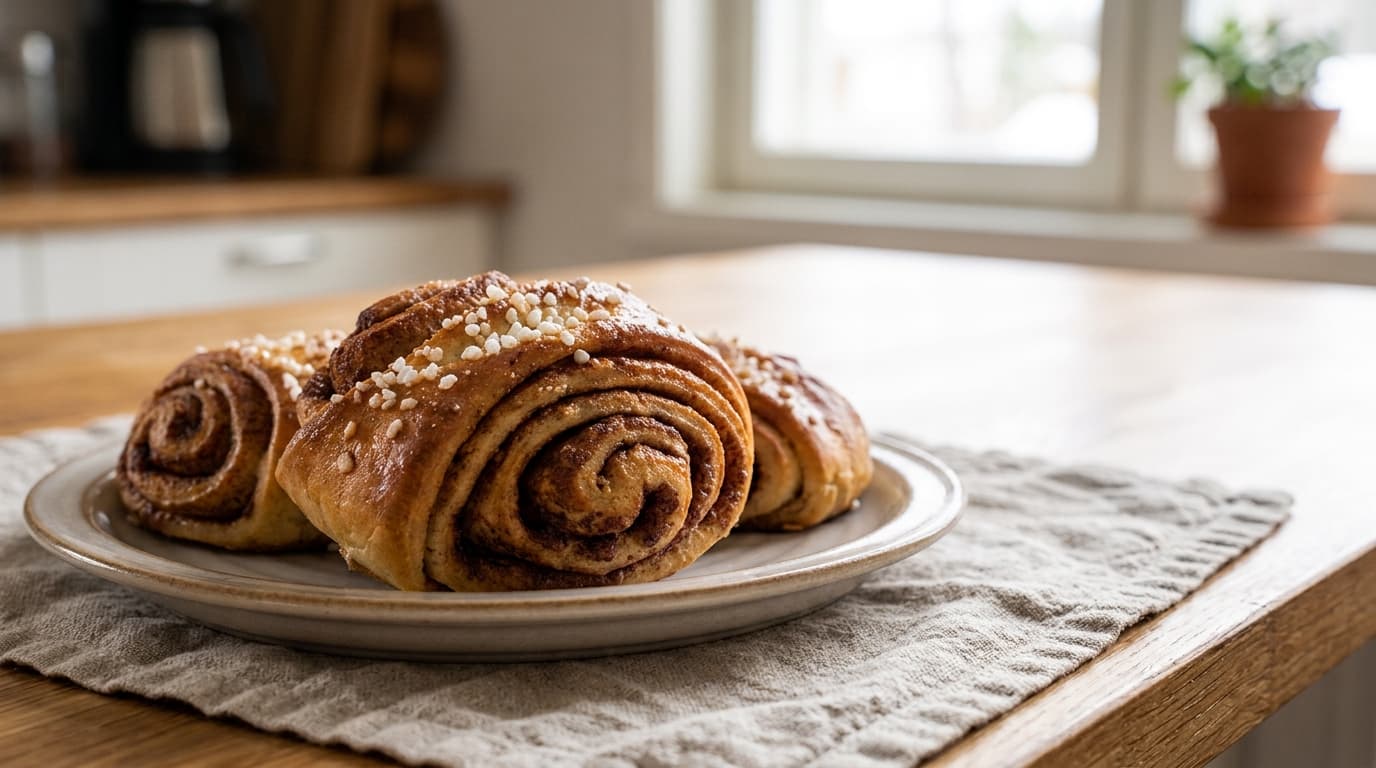
Korvapuusti Recipe: Finnish Cinnamon Buns with Cardamom
Bake Finnish korvapuusti with soft cardamom dough, buttery cinnamon filling and pearl sugar. Includes tips for shaping the traditional ear-like buns.
35 minutes (plus about 1 hour 30 minutes for rising)8-10 minutes per tray min total
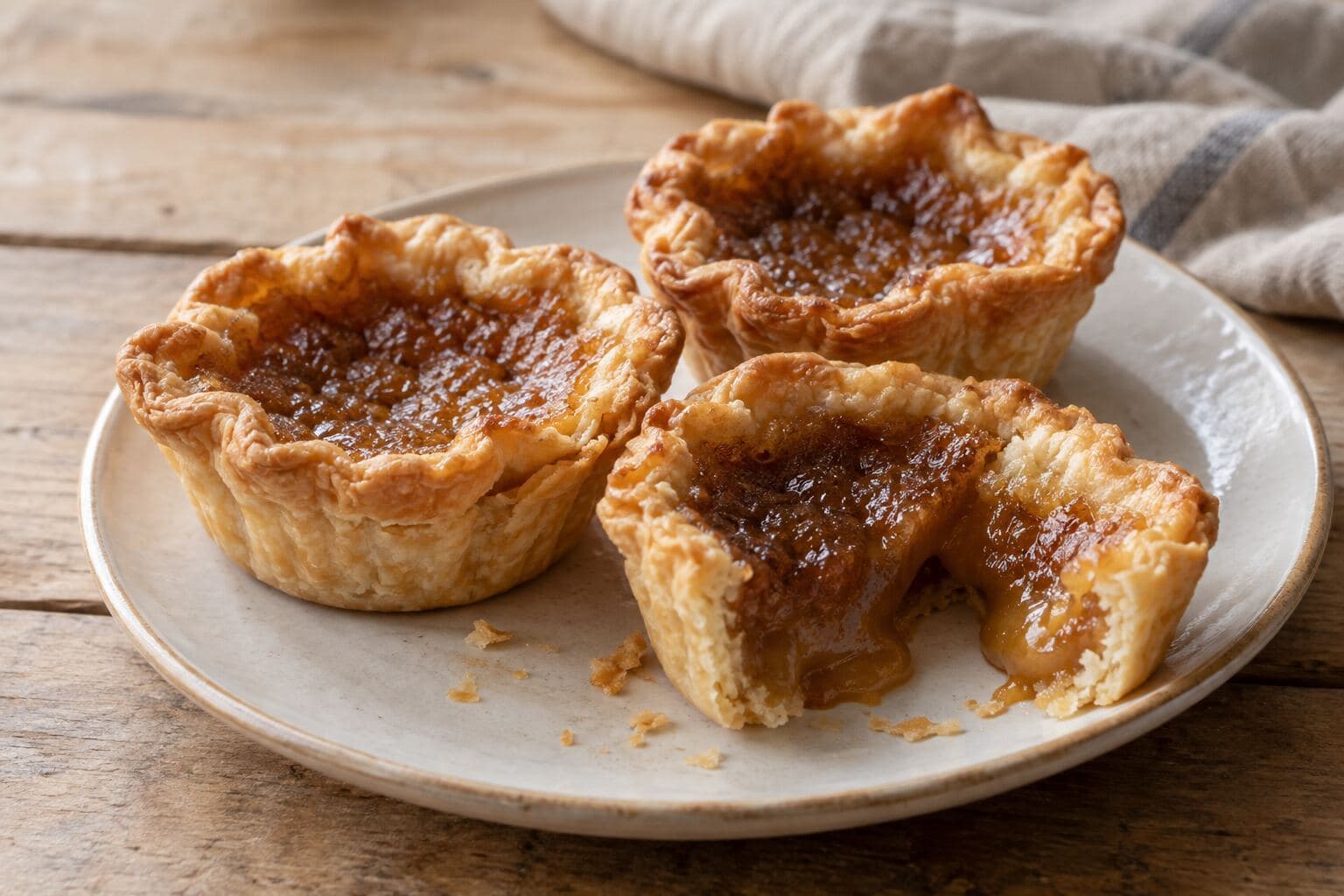
Traditional Canadian Butter Tarts
Bake traditional Canadian butter tarts with flaky pastry and a soft, gooey brown-sugar filling. Enjoy them plain or add raisins or nuts.
35 minutes (plus 45 minutes chilling)12-15 minutes min total
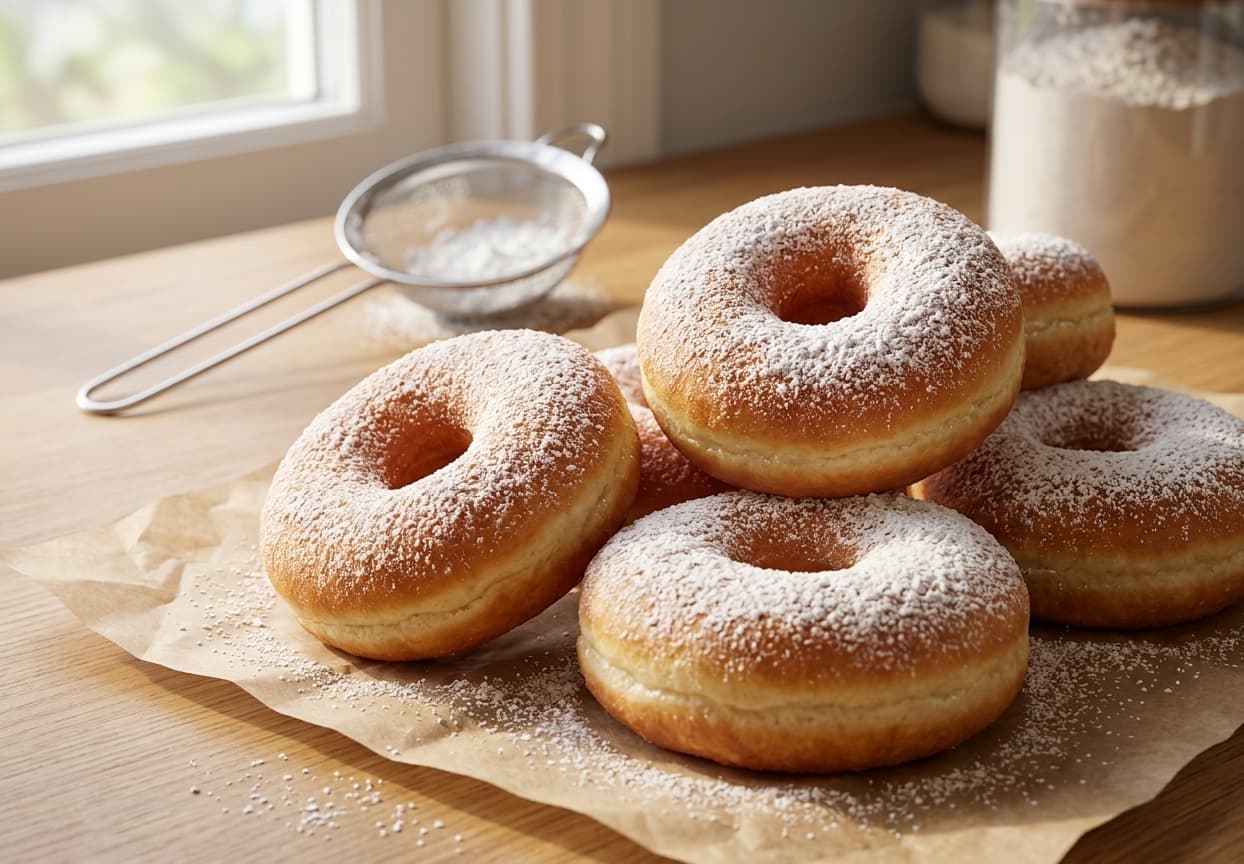
Classic Homemade Donuts Recipe
Soft, fluffy homemade doughnuts dusted with sugar. A classic yeast doughnut recipe with a light texture and golden finish.
20 minutes3 hours (including rest and frying time) min total
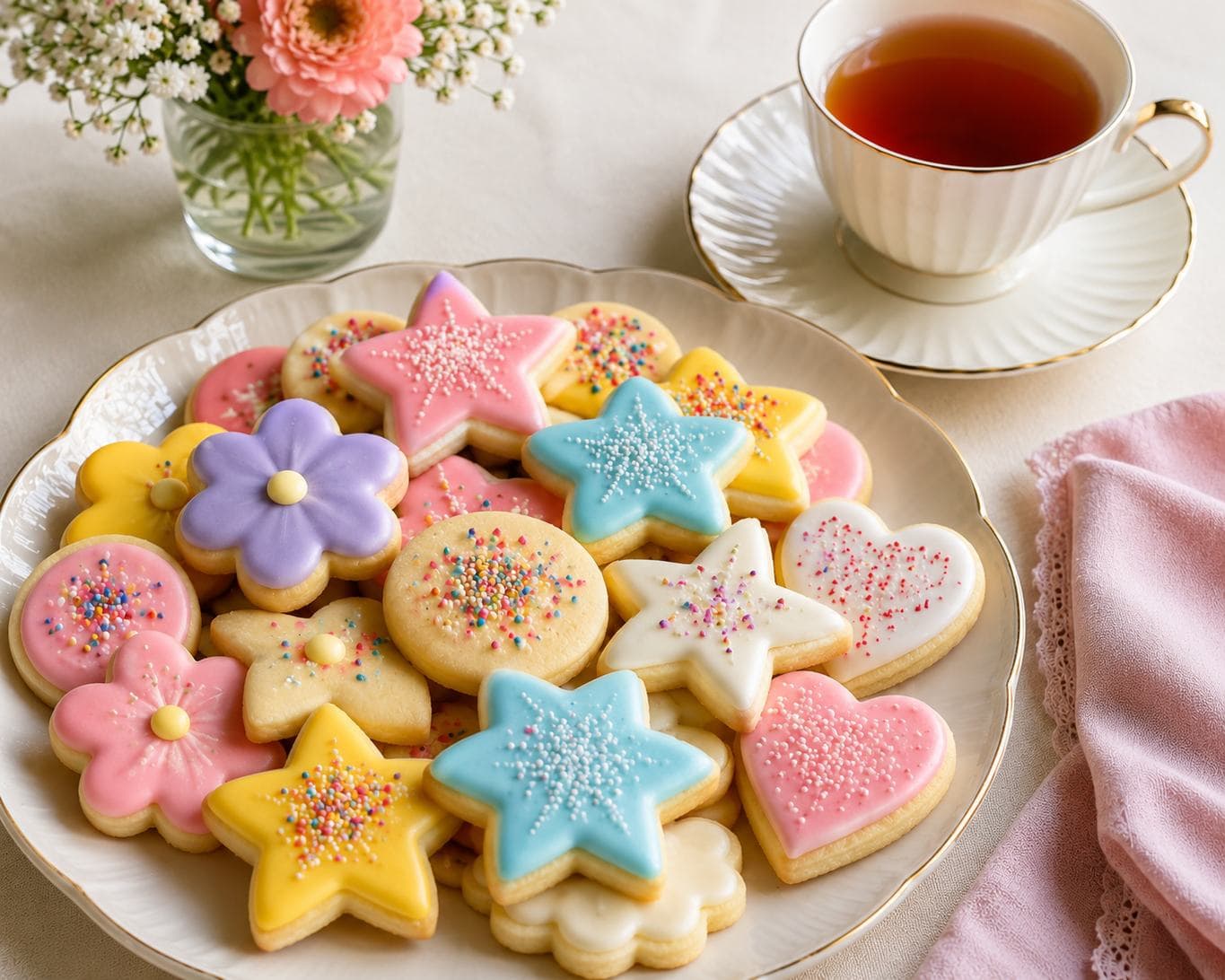
Classic Sugar Cookies
A simple classic sugar cookies recipe with buttery flavour, neat edges and easy decorating tips for homemade cut-out cookies.
25 minutes9-11 minutes (plus 1 hour chill time) min total
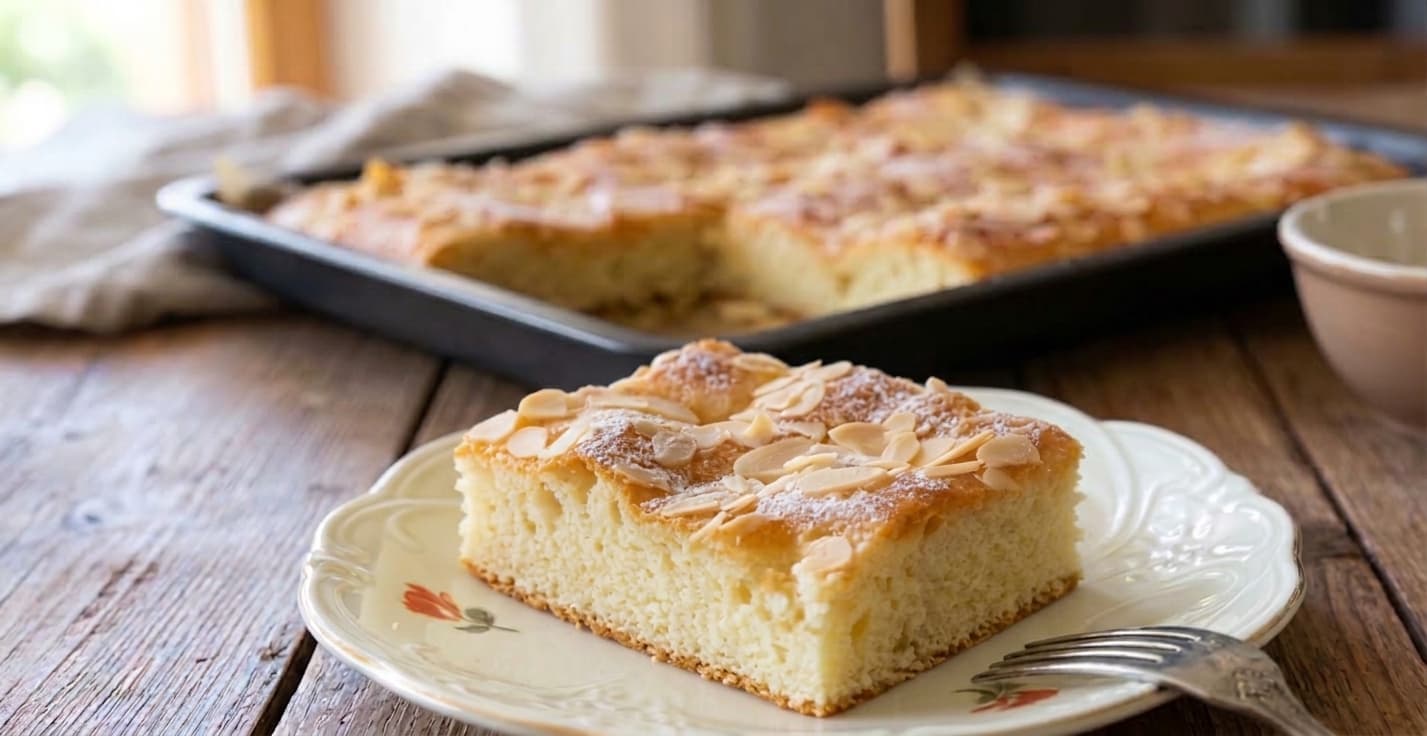
Traditional German Butterkuchen Recipe
Bake traditional German Butterkuchen with tender yeast dough, buttery dimples and a crisp almond-sugar topping. Perfect with coffee or tea.
25 minutes15-18 minutes (plus approximately 1 hour 20 minutes for proofing) min total
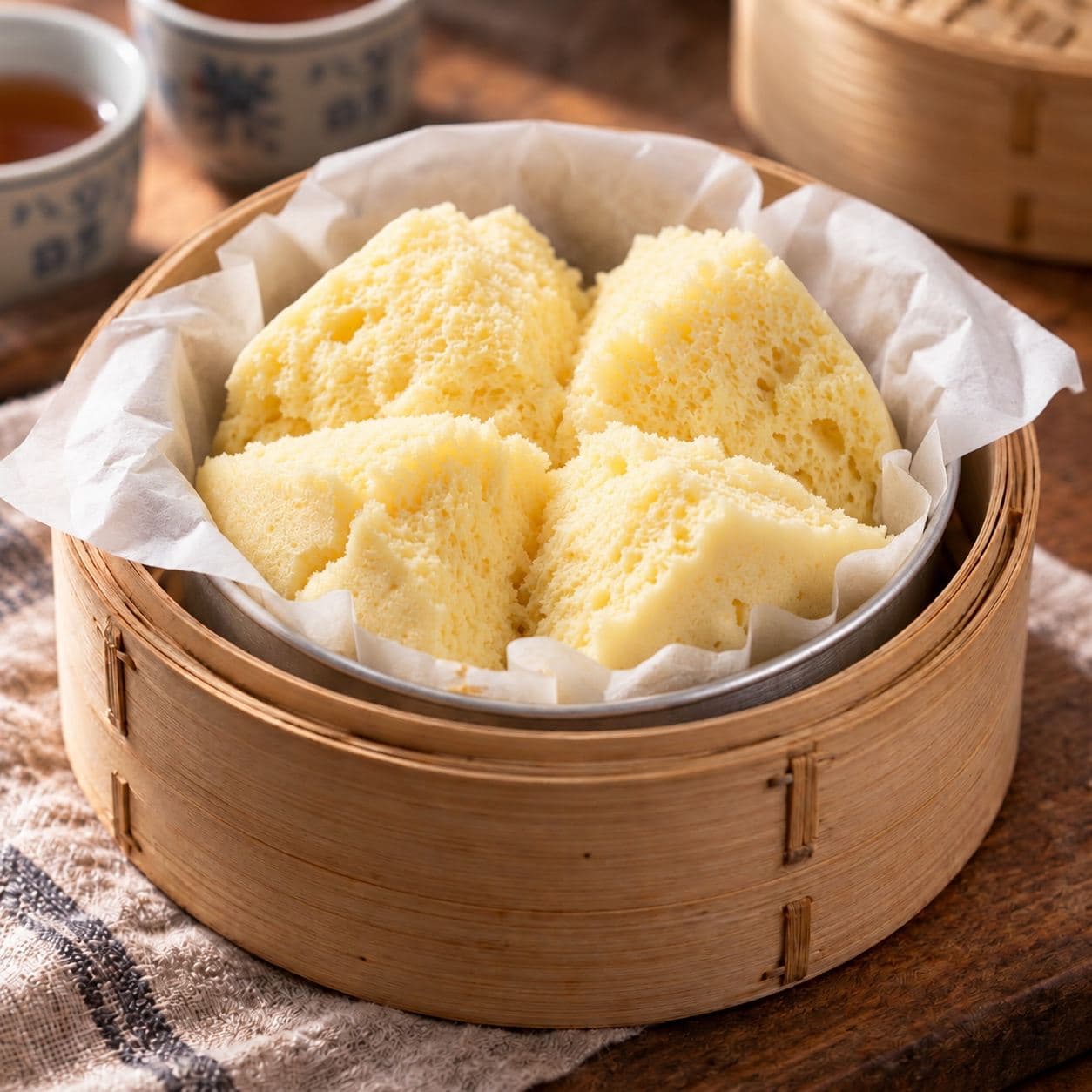
Traditional Kueh Neng Ko Recipe
Make traditional kueh neng ko, a light Chinese steamed egg cake prepared with just eggs, sugar and flour and finished with its distinctive split top.
30 minutes40 minutes min total
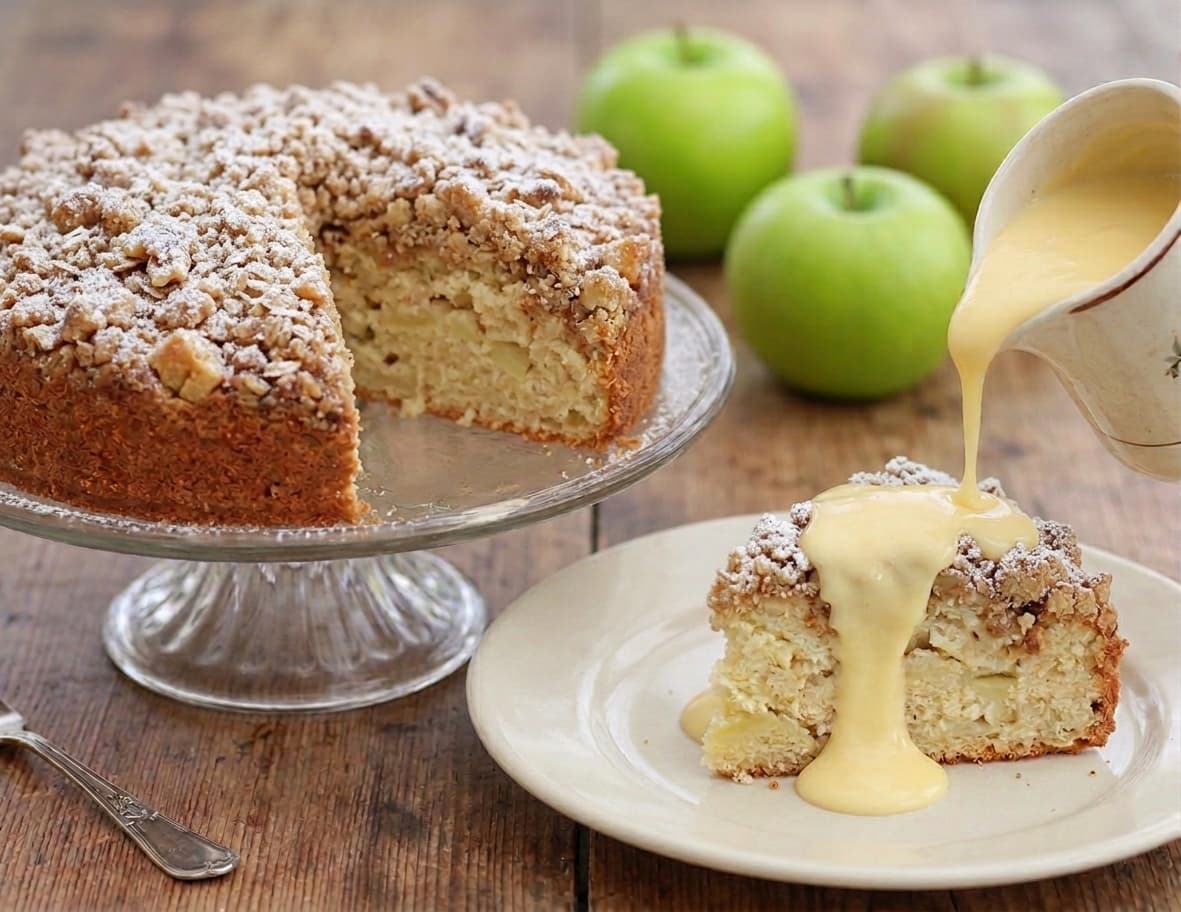
Traditional Irish Apple Cake with Custard Sauce
Bake a rustic Irish apple cake filled with tender apples and warm spices, finished with a crisp sugar crust and served with homemade custard.
35 minutes50-60 minutes min total
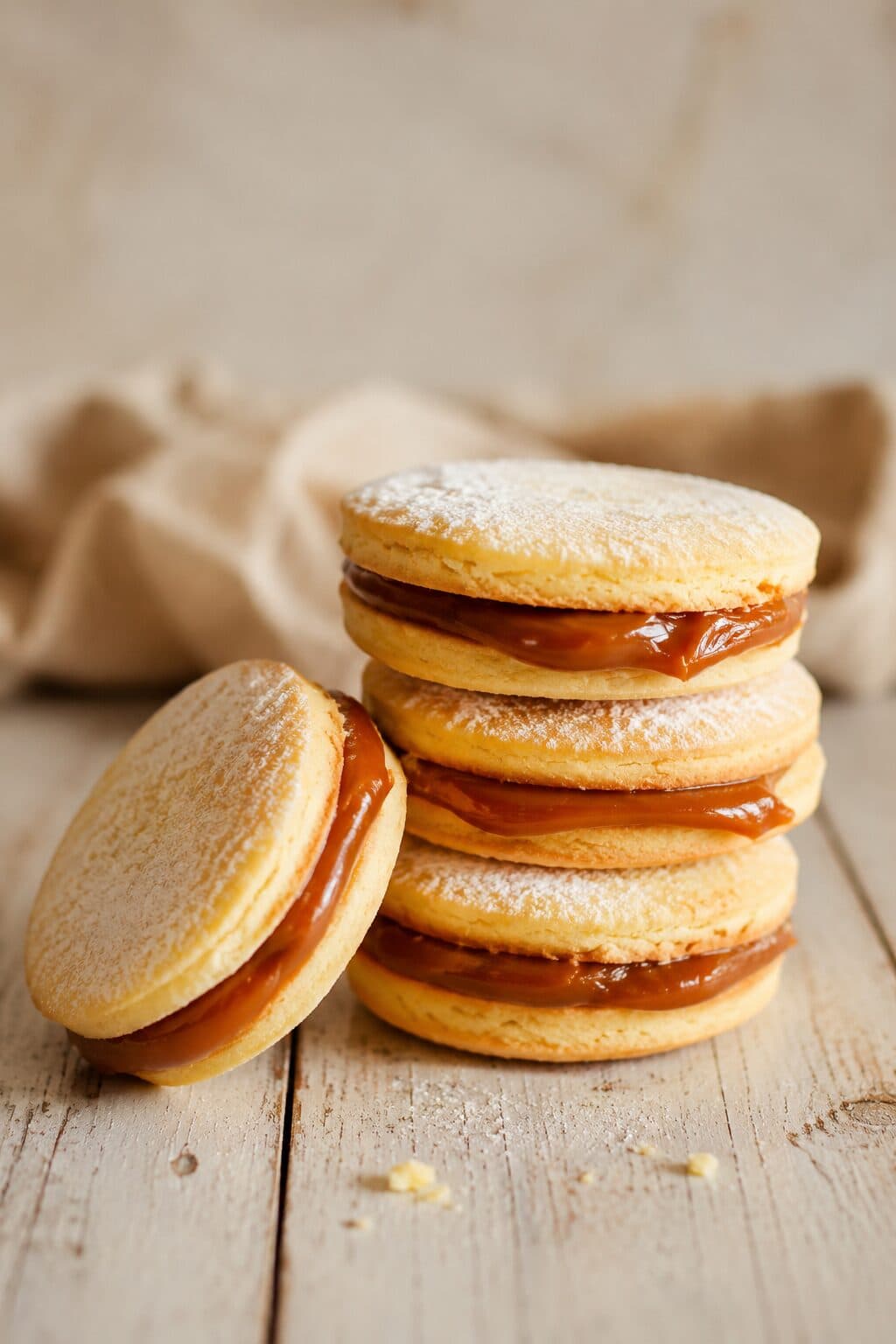
Alfajores: Argentine Dulce de Leche Sandwich Biscuits
Bake Argentine alfajores with tender buttery biscuits, a generous dulce de leche filling and a delicate dusting of icing sugar.
45 minutes 9-11 minutes (plus 45 minutes chilling time & 1½–2 hours Dulce de leche cooking time) min total
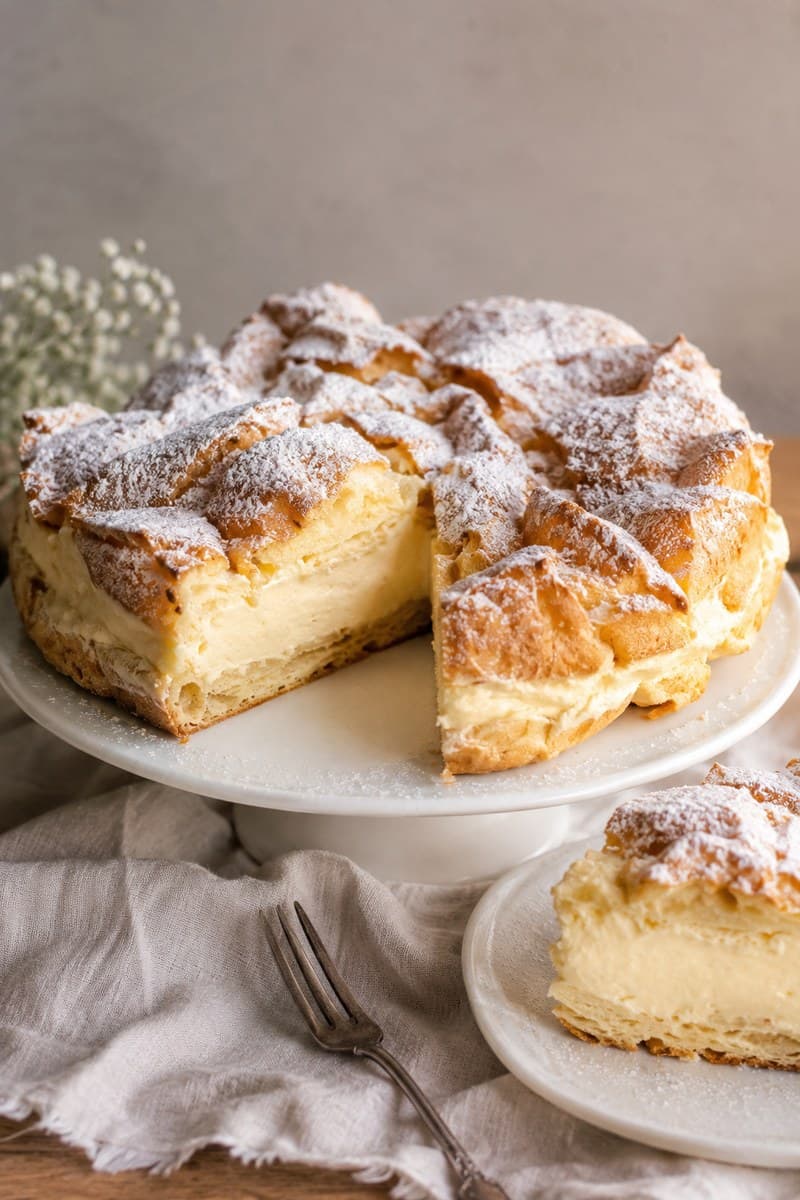
Karpatka Recipe: Polish Carpathian Mountain Cream Cake
Make traditional Polish karpatka with crisp choux pastry, smooth vanilla custard cream and a dusting of icing sugar.
35 minutes25-30 minutes per layer (At least 4 hours chilling time) min total