

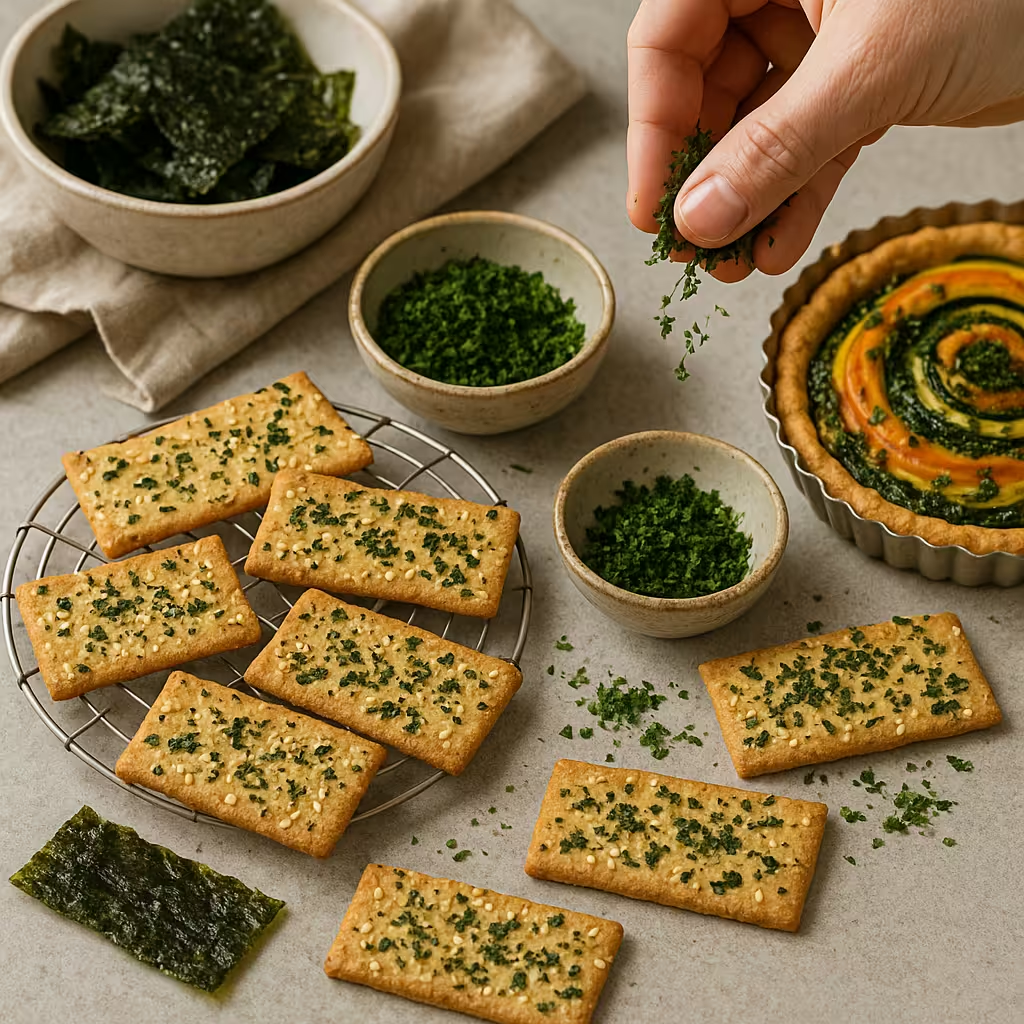
Surprising Versatility of Japanese Seaweed
Japanese seaweed, also known broadly as nori, kombu, wakame, and hijiki, has long been celebrated in soups, broths, and classic Japanese dishes. What fewer people realise is that these ocean vegetables also hold remarkable potential in baking. Their natural umami, subtle sweetness, and mineral-rich profile can elevate both sweet and savoury creations, adding depth that traditional ingredients simply cannot replicate.
Why Seaweed Works in Baking
Seaweed brings three quiet superpowers to baked goods:
Natural umami that enhances flavours without overwhelming them.
Nutrient density, particularly minerals like iodine, calcium, and magnesium.
Texture support, especially in doughs and batters where seaweed can add moisture retention or a pleasant chew.
Used thoughtfully, seaweed doesn’t make a recipe “taste like the ocean.” Instead, it introduces a sophisticated flavour layer—similar to how vanilla or salt quietly transform a dish.
Types of Japanese Seaweed Great for Baking
Nori
The familiar seaweed sheet used for sushi. Crumbles easily, works beautifully in breads, crackers, and even chocolate.
Kombu
A thick kelp traditionally used for dashi broth. When ground into a fine powder, it brings a deep savoury warmth to savoury bakes.
Wakame
Softer in taste, lightly sweet, and excellent for adding to doughs and savoury muffins.
Hijiki
Strongest in mineral flavour, best used sparingly. Adds a toasty richness when incorporated into savoury pastries.
Simple Ways to Bring Seaweed Into Your Baking
1. Seaweed Bread Rolls
Crumbled nori or finely chopped rehydrated wakame works wonderfully in soft rolls. The seaweed adds colour flecks and a subtle richness.
2. Savoury Seaweed Scones
Replace part of the cheese or herbs with ground kombu powder for a light umami background.
3. Seaweed Butter Cookies
A trend in modern Japanese bakeries: a pinch of nori flakes folded into shortbread gives a sweet–salty contrast similar to salted caramel.
4. Nori and Sesame Crackers
An easy way to introduce seaweed into snacks. Mix crumbled nori directly into the dough and top with black and white sesame.
5. Matcha–Seaweed Marble Loaf
A contemporary twist combining two Japanese flavours. Seaweed powder layered subtly through the batter adds aroma and colour depth.
6. Kombu Salt for All Bakes
Dry kombu thoroughly, grind it, and mix with flaky salt. Sprinkle over focaccia, sourdough, or even chocolate chip cookies.
Practical Seaweed Tips for Bakers
Use lightly at first. A teaspoon of seaweed powder or half a sheet of crumbled nori can transform a recipe.
Hydrate wakame or hijiki before adding to doughs.
Mix powders into dry ingredients to avoid clumps.
Pair seaweed with sesame, miso, brown butter, or matcha—flavours that naturally complement the ocean notes.
Recommended Seaweeds to Try
For readers looking to explore Japanese seaweed in baking, here are reliable sources:
United States (Amazon US)
WEL-PAC Dashi Kombu Dried Seaweed – excellent for grinding into kombu powder or infusing doughs subtly. We always use this to add umami in our steamed rice.
Germany (Amazon DE)
BIBIGO Seaweed Snack, Seasoned, Salt (Pack of 6) – great for crumbling into savoury bakes or using as a topping. This is our family favourite!
Final Thoughts
Japanese seaweed is more than a pantry item for miso soup. It’s a surprisingly elegant addition to modern baking. Whether you’re experimenting with savoury snacks or exploring sweet and salty flavour profiles, seaweed brings a refined touch that makes recipes feel both familiar and new.
It’s a gentle way to introduce Japanese ingredients to everyday baking, while also offering a healthier, nutrient‑dense twist. Over time, readers will likely discover their own favourite combinations and seaweed styles, making this ingredient a playful and rewarding addition to any kitchen.
Affiliate Disclosure: This article may contain affiliate links. When you purchase through these links, we may earn a commission at no additional cost to you. This helps support our content creation.