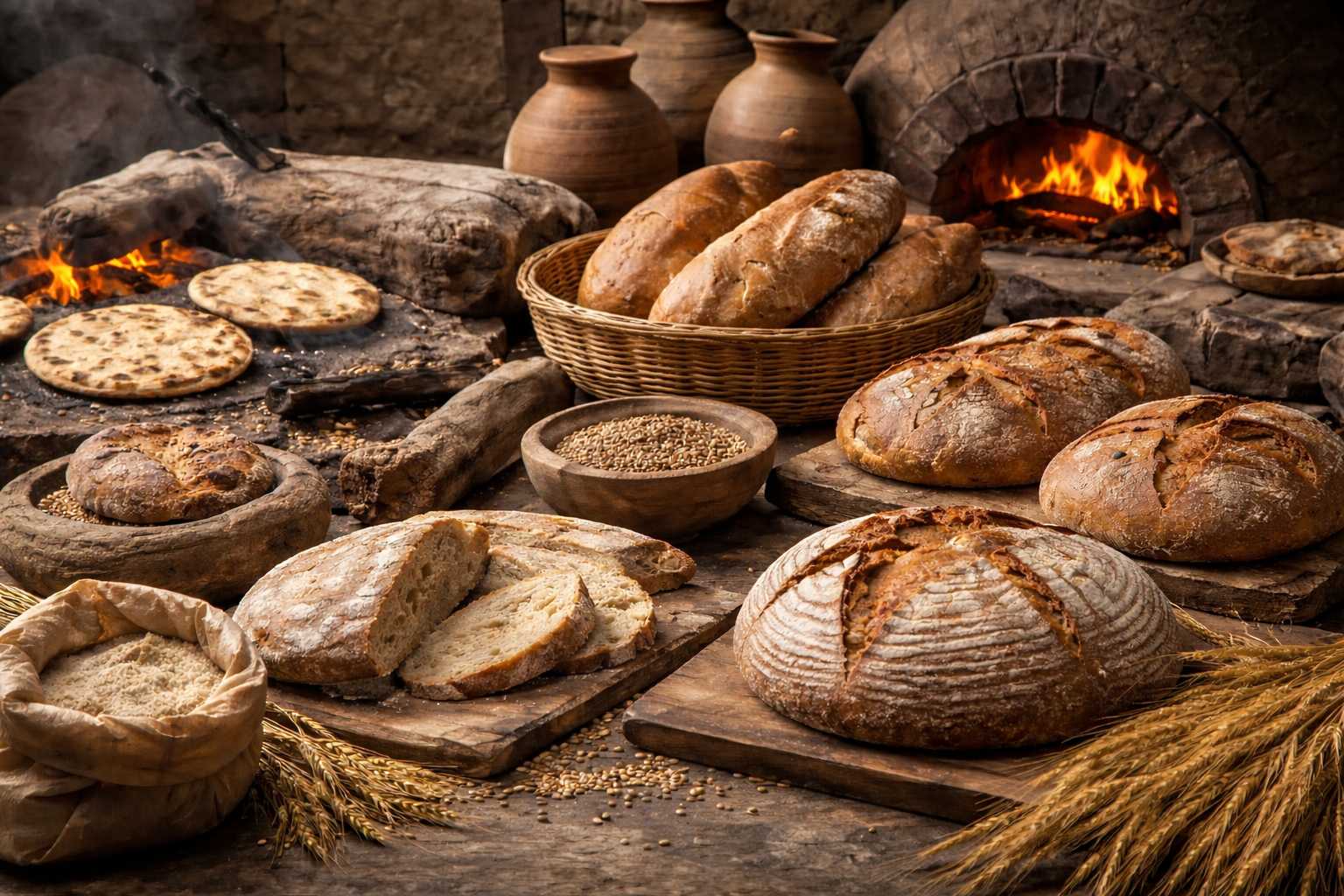
Bread is one of the oldest prepared foods in human history.
Long before written records, humans were grinding wild grains, mixing them with water, and exposing the dough to heat. What began as a simple mixture would become a dietary foundation across continents and civilisations.
Archaeological evidence suggests that bread, even in its earliest flatbread form, existed before organised agriculture. In that sense, bread was not just a product of civilisation; it may have helped drive it.
Few foods have shaped human history as profoundly.
Early Flatbreads Before Agriculture
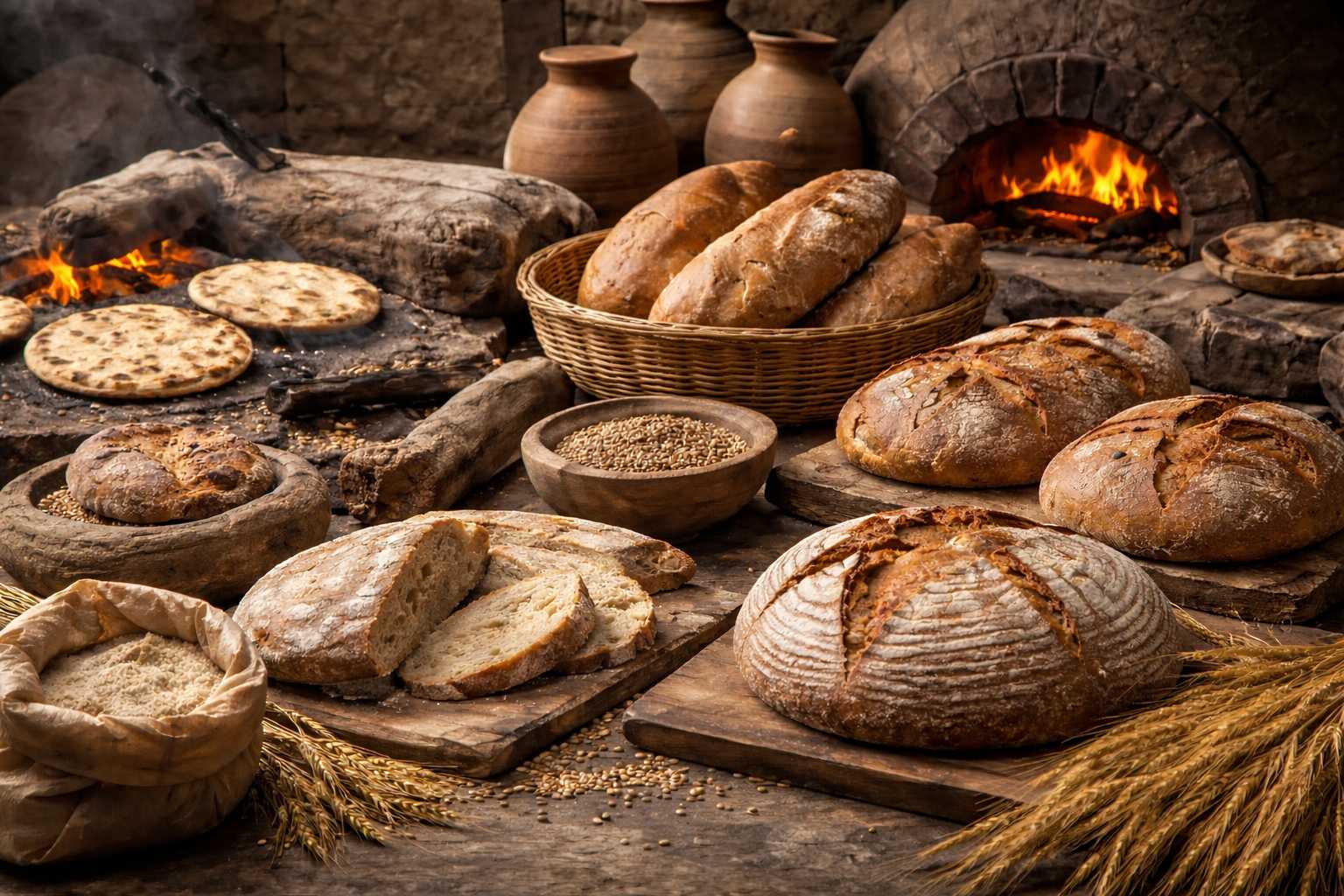
Evidence from a 14,000-year-old Natufian site in present-day Jordan shows that hunter-gatherers were grinding wild cereals such as einkorn and barley into flour. These grains were mixed with water and baked on hot stones or in primitive hearths.
These early breads were unleavened and likely dense, but they demonstrate a critical development: humans were intentionally processing grain into a more digestible and transportable food.
Bread predates farming. In fact, the desire for reliable grain supplies may have encouraged the shift toward agriculture and settled communities.
Ancient Egypt and the Discovery of Leavening
By around 3000 BCE, bread-making had become highly developed in Ancient Egypt.
The Egyptians are widely credited with discovering fermentation. Wild yeast present in the environment caused dough to rise, producing lighter, more aerated loaves. Whether this discovery was accidental or deliberate remains debated, but its impact was transformative.
Egyptians built specialised clay ovens, cultivated wheat suited to baking, and developed numerous bread shapes and varieties. Bread functioned not only as food but also as wages for labourers and offerings for the afterlife.
With Egypt, bread moved beyond survival. It became organised craft, economic tool, and cultural symbol.
As bread evolved from flat cakes to risen loaves, natural fermentation became central to its development. Long before commercial yeast existed, bakers relied on wild leaven, what we now call sourdough, to give bread structure and flavour. To understand how this natural process shaped early societies and travelled across continents, you can explore The Origins and History of Sourdough Bread in more depth.
Bread in Greece and Rome
The Greeks refined baking techniques and diversified bread styles.
The Romans systematised production. By the time of the Roman Empire, public bakeries operated across urban centres. Bakers formed guilds, and bread quality often reflected social hierarchy. Finer white wheat loaves were associated with wealth, while darker breads were consumed by the poor.
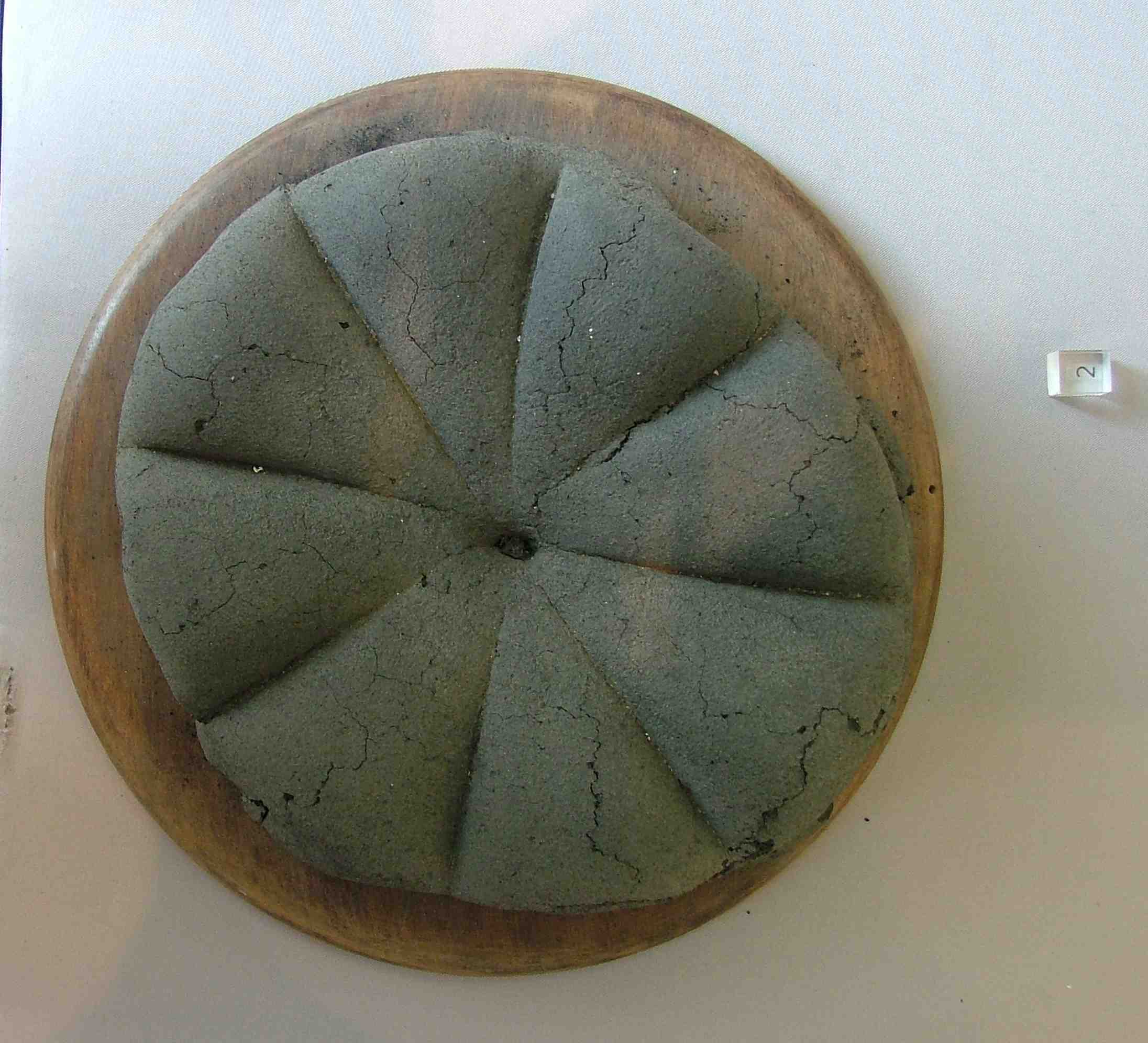
In Pompeii, carbonised loaves preserved by the eruption of Mount Vesuvius reveal scoring lines dividing portions, and possibly marking ownership.
Bread was increasingly standardised, yet remained tied to identity and class.
Medieval Bread and Communal Ovens
In medieval Europe, bread was the staple food for most of the population.
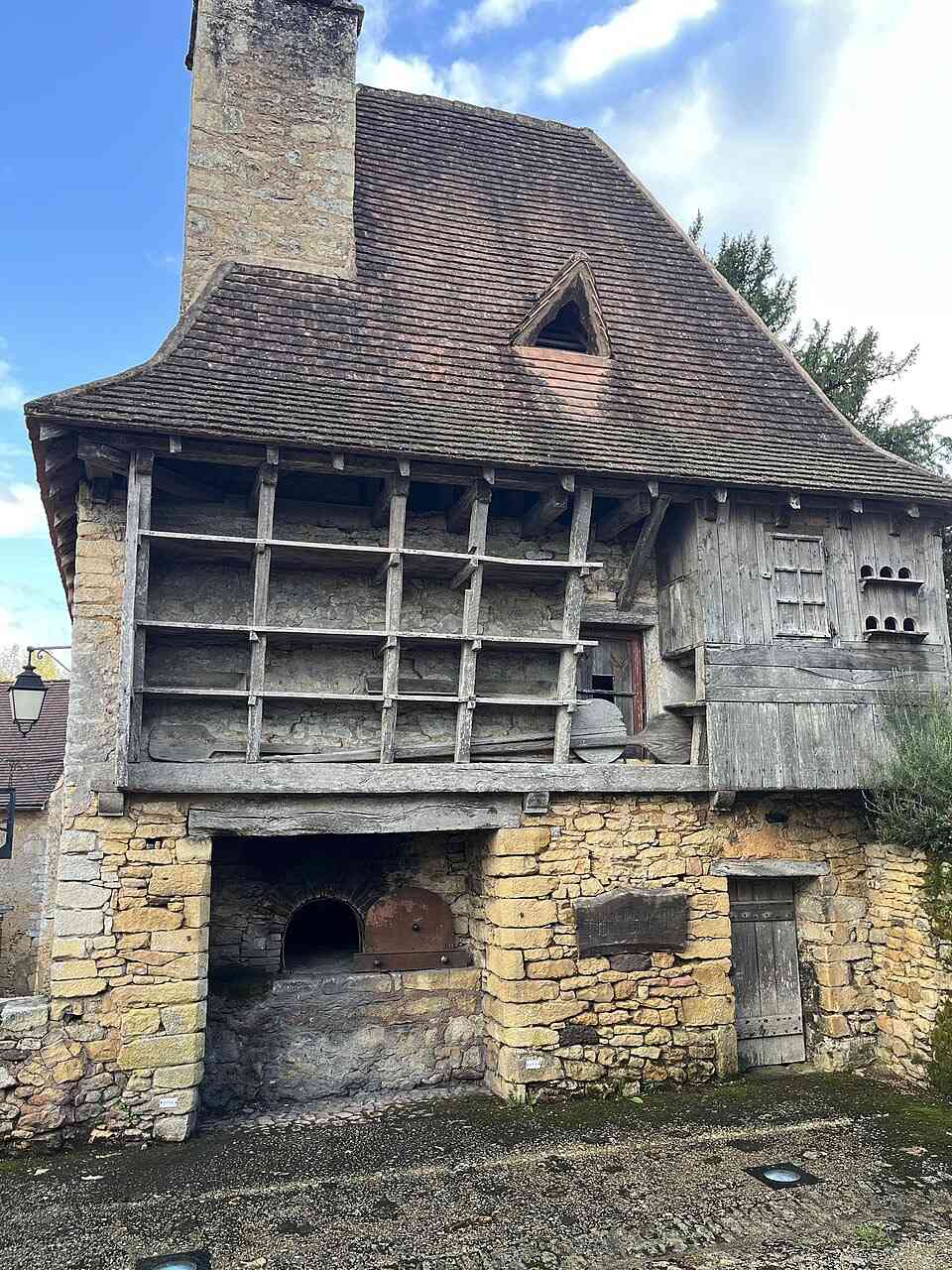
Many households lacked private ovens. Instead, families brought shaped dough to communal wood-fired ovens owned by a local lord or municipality. Multiple loaves baked together, making identification essential.
Families marked their dough before baking — a practical solution that later evolved into more deliberate scoring patterns. If you are interested in how these markings developed further, you may also enjoy my article on History of Bread Scoring: Medieval Origins to Modern Baking.
Grain type also reflected social structure. Wheat bread was associated with wealth, while rye, barley, or mixed-grain loaves were common among rural communities.
Bread functioned not only as nourishment, but as an indicator of status, resources, and community life.
Industrialisation and the Rise of Factory Bread
The 19th century brought dramatic change.
Roller milling technology produced refined white flour at scale. Commercial yeast allowed consistent fermentation. Mechanised bakeries dramatically increased output.
In 1928, sliced bread was introduced in the United States, reinforcing the shift towards convenience and uniformity.
Bread became softer, whiter, and more standardised. Production moved away from households and into industrial systems. Efficiency improved, availability widened, and bread became an everyday supermarket staple.
The Modern Return to Traditional Baking
In recent decades, traditional bread-making has experienced renewed interest.
Sourdough fermentation, long proofing methods, ancient grains, and wood-fired baking have re-entered both professional and home kitchens. Many rediscovered bread-making during global lockdowns, finding comfort in the process of mixing, shaping, and waiting.
Today, bread exists in two parallel forms: industrial mass production and small-scale craft revival.
Both are part of its continuing history.
More Than Just Flour and Water
The history of bread mirrors the development of human society.
From gathered wild grains to cultivated wheat.
From stone hearths to communal ovens.
From guild bakeries to factory production.
From industrial uniformity back to artisan craft.
The basic formula has changed little: flour, water, heat.
Yet around that simplicity, entire civilisations have been built.
Curious to begin where early bakers once did? Read my step-by-step guide on How to Make a Sourdough Starter from scratch, the living foundation of traditional bread.
Image Credits
Roman bread loaf (panis quadratus): Photo by Beatrice, licensed under CC BY-SA 2.0 IT, via Wikimedia Commons.
Four banal (14th century, Urval, Dordogne): Photo by PapelJingle, CC0, via Wikimedia Commons.