
Around the World in 80 Bakes: Stop #34 — Southeast Asia’s Pineapple Tarts
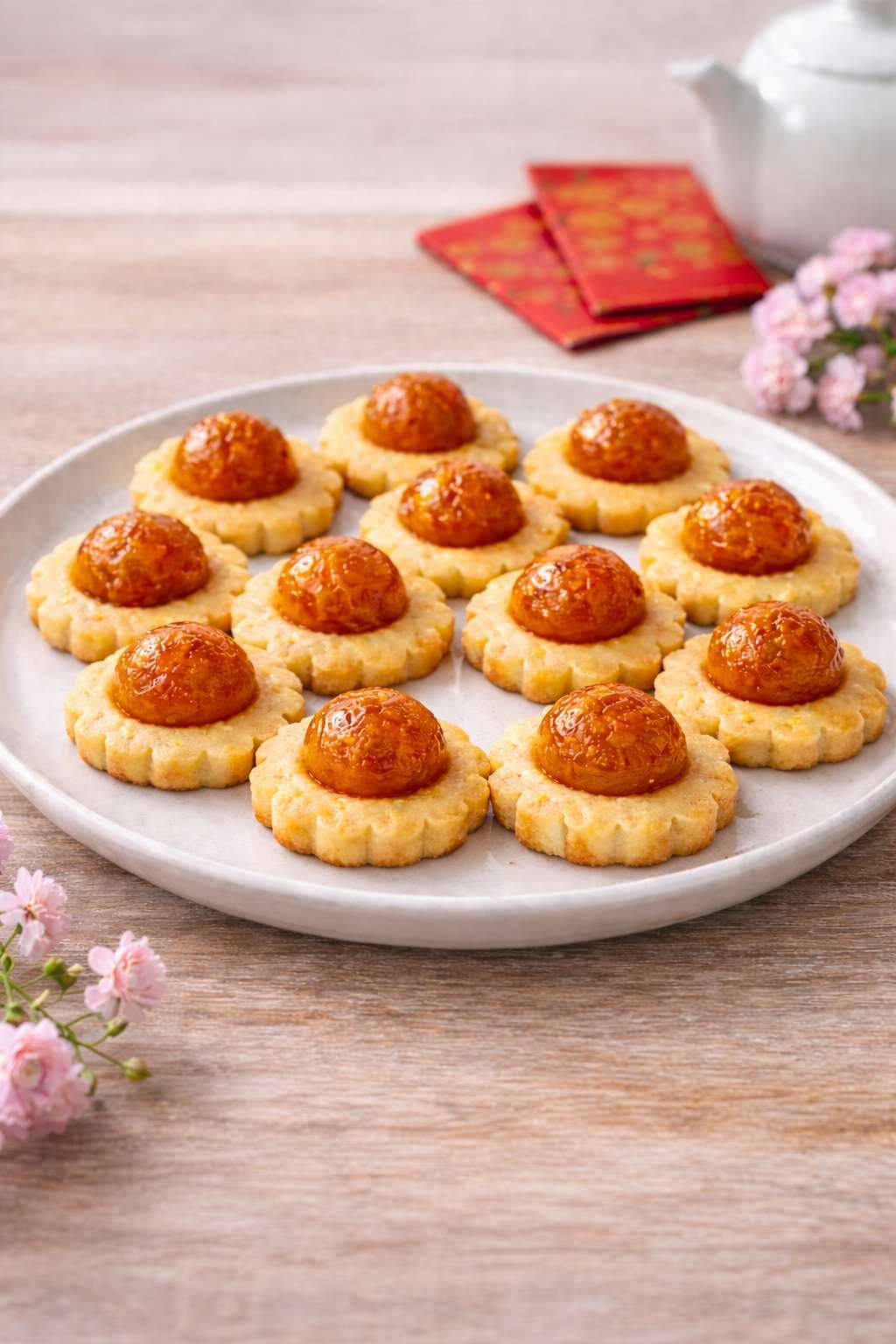
Delicate, buttery, and rich with slow-cooked pineapple jam, these bite-sized tarts are one of Southeast Asia’s most beloved festive bakes. Found in homes across Singapore, Malaysia, and Indonesia during Lunar New Year and Hari Raya, pineapple tarts tell a story that stretches across oceans and centuries, linking South American fruit, European pastry, and Asian heritage.
A Tropical Fruit with Global Origins
Pineapples aren’t native to Asia. They were first cultivated by Indigenous peoples in South America, where they were valued for their sweetness and symbolic meaning of hospitality and status.
Spanish and Portuguese explorers introduced the fruit to Europe in the late 15th century, and by the 16th century, it had spread to the tropics, including the Dutch East Indies and British Malaya.
Thriving in Southeast Asia’s warm, humid climate, the pineapple became a staple in regional cooking. Its high acidity and sweetness made it ideal for preserving, especially in the form of thick, sticky jam.
European Pastry, Local Ingenuity
The pineapple may have arrived early, but the tart came later via colonial kitchens. Dutch, Portuguese, and British settlers introduced shortcrust pastry, jam-filled biscuits, and oven baking techniques that were previously uncommon in the region.
It was the Peranakan Chinese community, particularly the skilled nyonya women—who brought these elements together. Blending European methods with local flavours, they developed what we now know as the pineapple tart.
Freshly grated pineapples were cooked slowly with sugar, clove, and cinnamon to create an aromatic jam. Rich pastry made with egg yolks, butter, or ghee was carefully pressed or rolled by hand. The result was a melt-in-the-mouth tart with a golden, tangy-sweet centre.
A Tart for Luck and Celebration
In the Hokkien dialect, pineapple is called “ong lai”, which means “prosperity comes”. This auspicious meaning helped make pineapple tarts a mainstay during Chinese New Year in Singapore and Malaysia.
They weren’t just a festive snack. They symbolised wealth, joy, and welcome, offering blessings of good fortune to family and guests alike.
One Tart, Many Forms
Across Southeast Asia, pineapple tarts appear in a variety of styles, shaped by cultural preferences and family tradition:
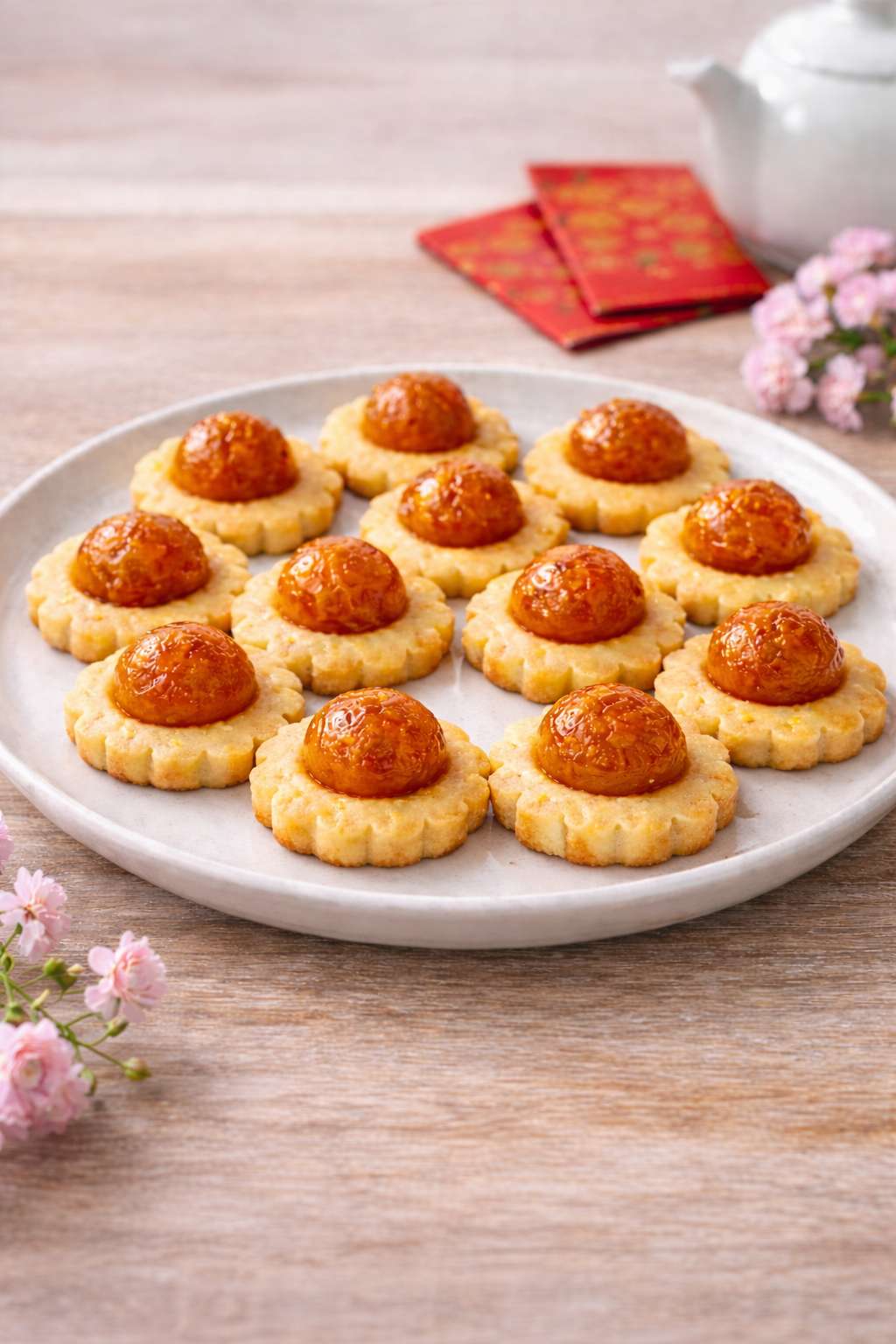
— Open-faced tarts: A round or flower-shaped pastry base topped with a ball of pineapple jam. Often pressed with wooden moulds passed down through generations.
— Enclosed or rolled tarts: A log of jam encased in soft pastry, then brushed with egg yolk before baking. These have become especially popular in modern Singapore and Malaysia.
— Indonesian nastar: Small, enclosed tarts that are smooth and round, with a tender, crumbly bite. Their Dutch-influenced name is short for ananas taartje (little pineapple tart).
Some bakers even shape the tarts to resemble miniature pineapples, complete with clove stems or leaf-like cuts, bringing an extra touch of creativity and festivity.
Despite their differences in shape or technique, all versions are made with the same spirit: care, precision, and pride in heritage.
A Tart That Tells a Story
The pineapple tart is more than a cookie. It’s a story of migration, adaptation, and the quiet brilliance of home bakers. It speaks of a time when ingredients travelled across continents, and when cultures blended over shared tables.
Today, pineapple tarts remain an iconic seasonal bake in the region. While some modern variations include cheese, chilli, or even edible gold, the essence remains the same. Lovingly shaped and joyfully shared, they’re always tied to the feeling of home.
📍 Want to bake your own? Try our beginner friendly Pineapple Tarts with Homemade Jam recipe!