Around the World in 80 Bakes: Stop #39 — Baguettes
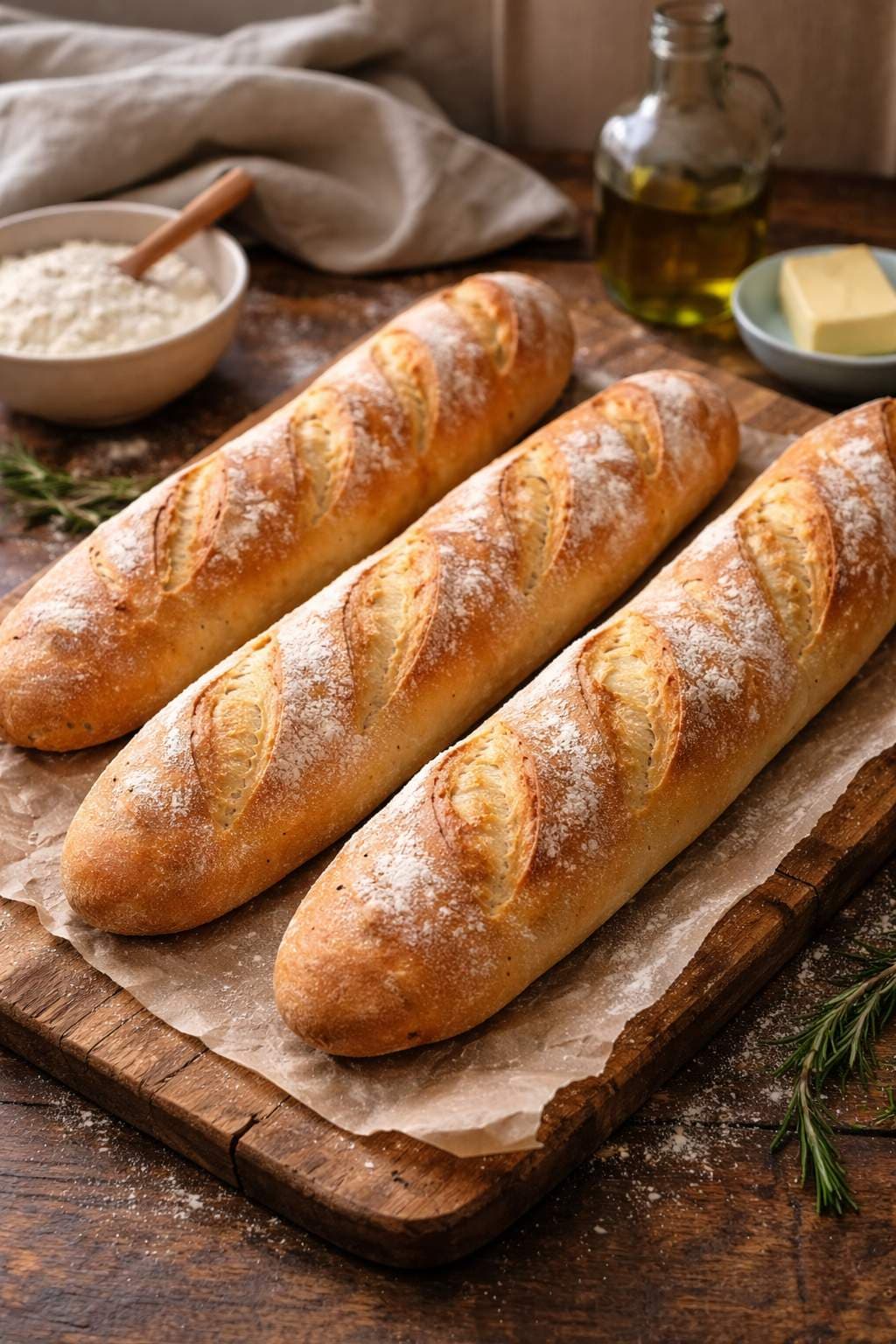
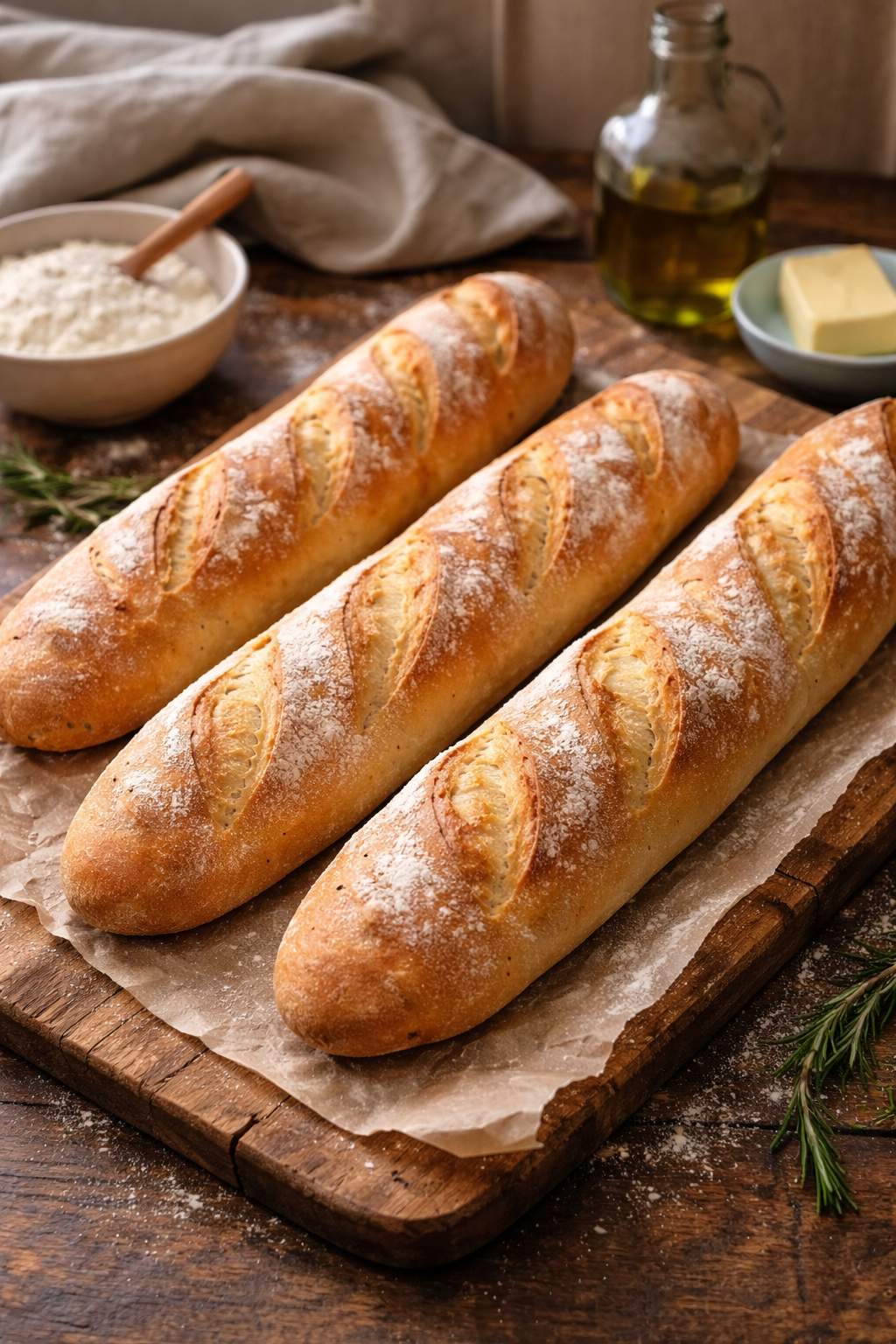
Few baked goods are as instantly recognisable as the French baguette. With its crisp golden crust, slender shape, and soft, open crumb, the baguette has become a powerful symbol of French daily life.
But behind its humble appearance lies a surprisingly modern invention, shaped not only by flour and water, but also by changes in technology, urban living, and French labour laws.
So how did this unassuming bread become the heart of French culinary identity?
A Bread with Many Roots
While long loaves have existed in France since the 18th century, the baguette as a distinct style was not named until the early 20th century. The word “baguette” means “wand” or “stick” in French, a nod to its slender shape, but its deeper roots lie beyond French borders.
One key influence came from Austria. In the 1830s, Viennese baker August Zang opened a bakery in Paris, introducing the steam oven. This innovation allowed for loaves with a crisp crust and moist interior, unlike the denser sourdoughs of the time. His pain viennois inspired local French bakers to experiment with new techniques, eventually paving the way for the baguette’s signature texture.
Another influence may have been military. Napoleon’s army is rumoured to have carried long loaves in specially designed pockets, allowing soldiers to march while keeping their bread intact though this tale is more folklore than fact.
Why the Shape?
The thin shape of the baguette may have been a practical solution rather than an artistic choice. In 1920, a law was passed in France banning bakers from starting their workday before 4 a.m. This meant traditional large sourdough loaves, which required longer fermentation and baking times, became less practical.
Baguettes, with their faster proofing and baking time, were the perfect response. The long, thin shape increased surface area, allowing for quicker cooking and a crispier crust and helped bakers meet the demand for fresh bread by morning.
By the 1920s and 1930s, baguettes had become standard fare in Parisian bakeries. They were accessible, portable, and well-suited to urban life. The association between baguettes and French daily life took root during this time and only deepened in the decades to come.
The Baguette and Class Identity
Historically, bread in France was deeply tied to class. Rural populations often baked large sourdough loaves at communal ovens, while wealthier city dwellers sought finer, whiter breads. The baguette’s whiter crumb and refined ingredients made it a desirable item.
Over time, however, it crossed class boundaries. The daily trip to the boulangerie became part of French routine, whether rich or poor, urban or rural. It wasn’t just bread anymore; it was ritual, identity, and a shared national symbol.
The 1993 “Décret Pain”
As industrial baking rose in the late 20th century, traditional bakers grew concerned that their craft was being diluted. In response, the French government passed the “Décret Pain” (Bread Decree) in 1993 to protect artisanal standards.
Under this law, a baguette de tradition française must be:
Made only from wheat flour, water, salt, and yeast or sourdough
Fermented naturally (no added improvers)
Mixed, shaped, and baked on-site (not frozen or factory-made)
This legislation ensures that what is sold as a “traditional” baguette retains both flavour and integrity, preserving not just a method, but a cultural identity.
UNESCO Recognition
In 2022, the baguette earned a new honour: inclusion in UNESCO’s Intangible Cultural Heritage list. This recognition celebrated not only the bread itself but also the know-how, craftsmanship, and social practices tied to its creation, from flour selection and shaping techniques to the daily interaction between bakers and their communities.
It was a moment of pride for France and a rare example of a food item being acknowledged for its cultural, not just culinary, value.
Beyond France: A Global Legacy
France’s colonial legacy played a major role in spreading the baguette abroad. In Vietnam, French baguettes became the base for bánh mì, an iconic street food that fuses French and Vietnamese ingredients. In parts of North Africa and West Africa, baguettes remain a breakfast essential, often served with butter or sweetened milk.
Even outside former colonies, the baguette has become synonymous with sophistication. Bakeries around the world attempt to replicate the crusty exterior and light, honeycombed interior, though few match the quality of a true French boulangerie.
Final Crumbs
Though it may seem simple, the baguette tells a rich story of migration, innovation, social change, and national pride. It’s a product of both old-world craftsmanship and modern necessity. And while its ingredients remain humble, the cultural weight it carries is anything but.
Next time you hear that familiar crackle as you tear into a fresh baguette, know that you’re partaking in a centuries-old tradition, one that continues to evolve, inspire, and unite.
Ready to bake your own? Here’s a step-by-step recipe for Traditional French Baguettes (homemade), with pro tips on shaping and baking for that perfect crust.