Around the World in 80 Bakes: Stop #41 — Carrot Cake
Carrot cake feels unmistakably modern. With its soft crumb, warm spices, and creamy frosting, it is a familiar sight in bakeries and home kitchens alike. Yet the roots of carrot cake reach far deeper into culinary history than many realise.
The cake we recognise today emerged only in the twentieth century, but the idea behind it — using carrots to sweeten desserts — stretches back hundreds of years.
To understand carrot cake’s origins, we have to begin in a time when sugar was rare and expensive.
Carrots as a Sweetener in Medieval Europe
During the Middle Ages, refined sugar was a luxury ingredient in Europe. Initially imported from the Mediterranean and the Middle East, it remained costly and inaccessible for most households.
As a result, cooks often turned to naturally sweet ingredients to flavour desserts. Fruits, honey, and even root vegetables were used to add sweetness to dishes.
Carrots were particularly useful because they contain more natural sugars than many other vegetables. When grated or cooked, their sweetness becomes more pronounced.
Medieval cooks sometimes incorporated carrots into puddings, custards, and sweet loaves. These dishes were not identical to modern carrot cake, but they demonstrate the long-standing culinary practice of using vegetables in sweet preparations.
Some historians also trace similar carrot-based desserts to the Middle East, where sweetened carrot puddings and halwa-like dishes were prepared centuries earlier. These culinary traditions may have influenced European cooking through trade and cultural exchange.
It is possible that these early carrot puddings helped inspire the carrot-based cakes that began appearing in European cookbooks during the nineteenth century.
The Carrot Pudding Tradition
One of the closest historical relatives of carrot cake is carrot pudding, which appeared in British cooking during the eighteenth and nineteenth centuries.
Carrot puddings were dense, rich mixtures typically made with grated carrots, flour or breadcrumbs, dried fruits, spices, and fat such as suet. They were often steamed rather than baked, much like traditional plum puddings.
Recipes for carrot pudding appeared in several early British cookbooks. One example can be found in nineteenth-century household recipe collections, where carrots were used to add sweetness and moisture to puddings that otherwise relied on costly sugar.
These puddings were hearty rather than delicate, but they illustrate how carrots gradually found their place in sweet baking.
One of the earliest printed carrot cake recipes appeared in 1814, when French chef Antoine Beauvilliers published gâteau de carottes in his cookbook L’Art du Cuisinier. An English translation followed in 1824, helping spread the recipe more widely.
Switzerland and the Birth of Rüeblitorte
While early carrot-based cakes appeared in European cookbooks in the early nineteenth century, one of the most influential versions emerged in Switzerland later that century.
In the canton of Aargau, a region historically known for its carrot cultivation, a carrot cake recipe was recorded at the housekeeping school in Kaiseraugst. The cake eventually became known as Aargauer Rüeblitorte, meaning “Aargau carrot cake.”
Aargau was sometimes nicknamed Rüeblilan, literally “carrot land”, because of the importance of carrot farming in the region. It is therefore not surprising that local bakers began incorporating carrots into sweet cakes.
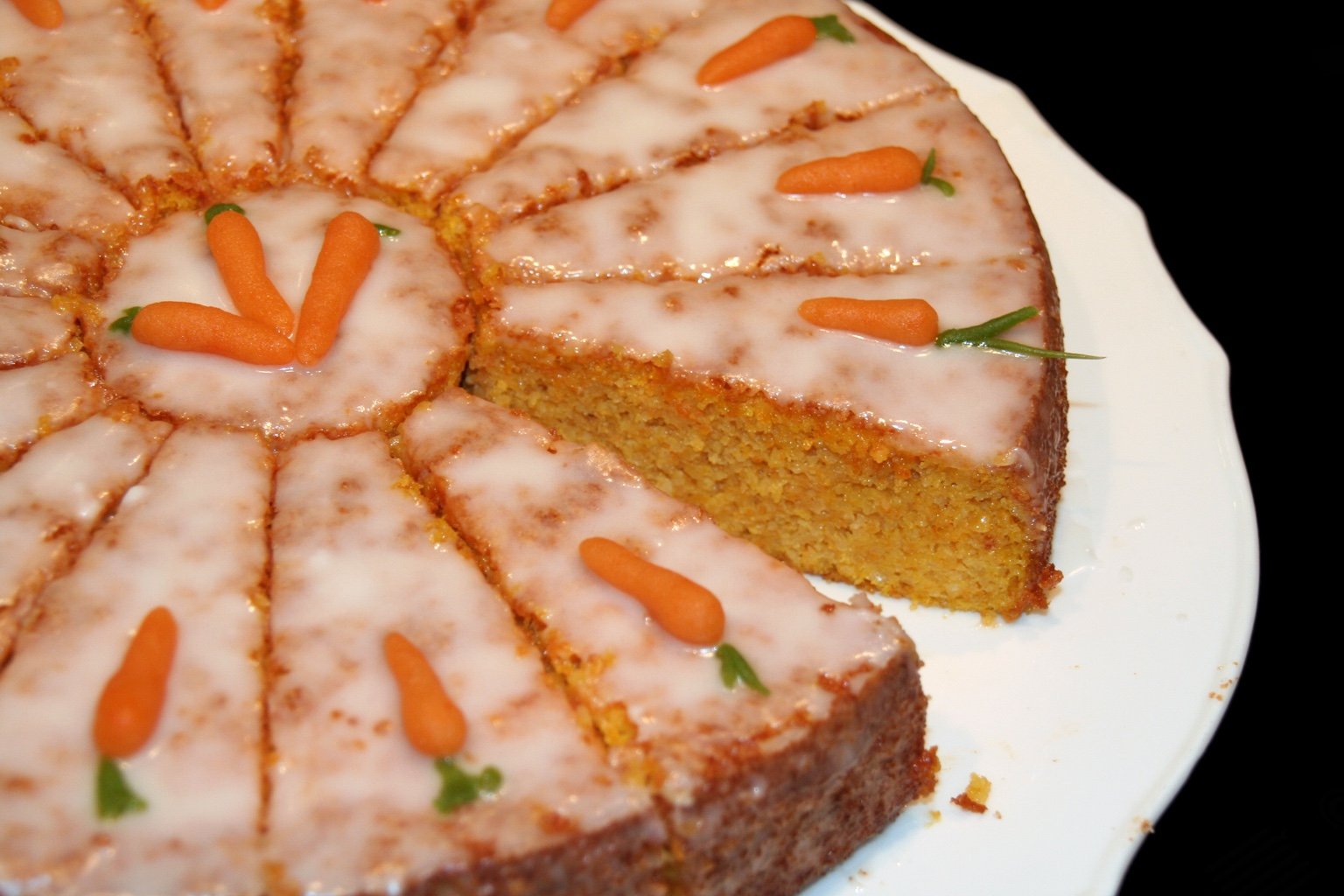
Unlike the modern cream-cheese-frosted carrot cakes popular today, traditional Swiss Rüeblitorte relied on a different balance of ingredients. Finely grated carrots were mixed with eggs, sugar, ground almonds or hazelnuts, and a small amount of flour, producing a moist cake with a delicate crumb.
The cake was usually finished with a light glaze made from icing sugar and lemon juice rather than a thick frosting. Small marzipan carrots often decorated the top, a tradition that continues in Swiss bakeries today.
Over time, Rüeblitorte became one of Switzerland’s best-known regional cakes and helped shape the carrot cake traditions that spread more widely across Europe and North America during the twentieth century.
Wartime Rationing and the Rise of Carrot Cake
Carrot cake gained widespread popularity during the twentieth century, particularly during the Second World War.
In Britain, strict rationing limited the availability of sugar and other baking ingredients. Government campaigns encouraged households to grow vegetables and use them creatively in cooking.
Carrots became one of the most promoted vegetables during this period. They were abundant, inexpensive, and naturally sweet.
British Ministry of Food leaflets suggested carrot-based desserts as a substitute for more sugar-heavy sweets. Carrot cakes, carrot puddings, and carrot loaves became practical recipes that helped families stretch rationed ingredients.
These wartime adaptations played a major role in introducing carrot-based baking to a broader public.
From Wartime Necessity to Modern Dessert
After the war, carrot cake might easily have faded into obscurity as sugar once again became plentiful. Instead, the recipe continued to evolve.
By the 1960s and 1970s, carrot cake experienced a revival in the United States and the United Kingdom. Health food movements of the era helped fuel its popularity. Because it contained vegetables and nuts, carrot cake was often perceived as a slightly “healthier” indulgence compared with other desserts.
During this period, one of the most defining elements of modern carrot cake became widely adopted: cream cheese frosting.
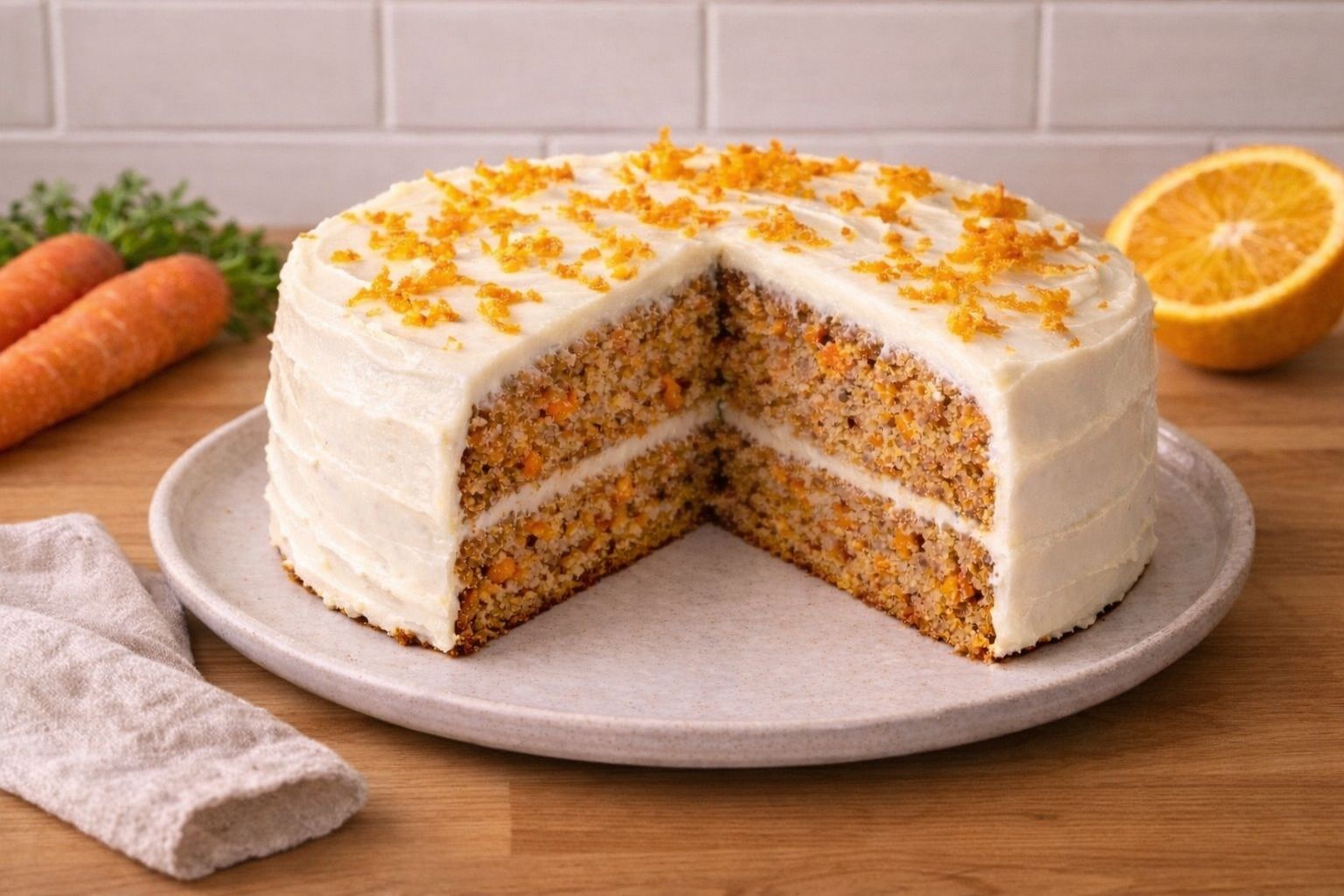
The tangy frosting paired beautifully with the spiced cake, transforming carrot cake into a richer and more indulgent dessert. Bakeries began featuring it regularly, and it soon became a café staple.
A Cake That Reflects Culinary Adaptation
Carrot cake’s journey from medieval kitchens to modern bakeries reflects a recurring theme in the history of food: adaptation.
What began as a practical method for sweetening desserts without sugar eventually became a beloved cake enjoyed around the world.
The humble carrot — once simply a substitute ingredient — became the defining feature of the dessert itself.
Today, carrot cake appears in countless variations. Some include nuts or raisins, others pineapple or coconut. Some are layered with thick frosting, while others remain closer to the simpler European tradition.
Yet the essence of the cake remains the same: a reminder that creativity in the kitchen often begins with making the most of what is available.
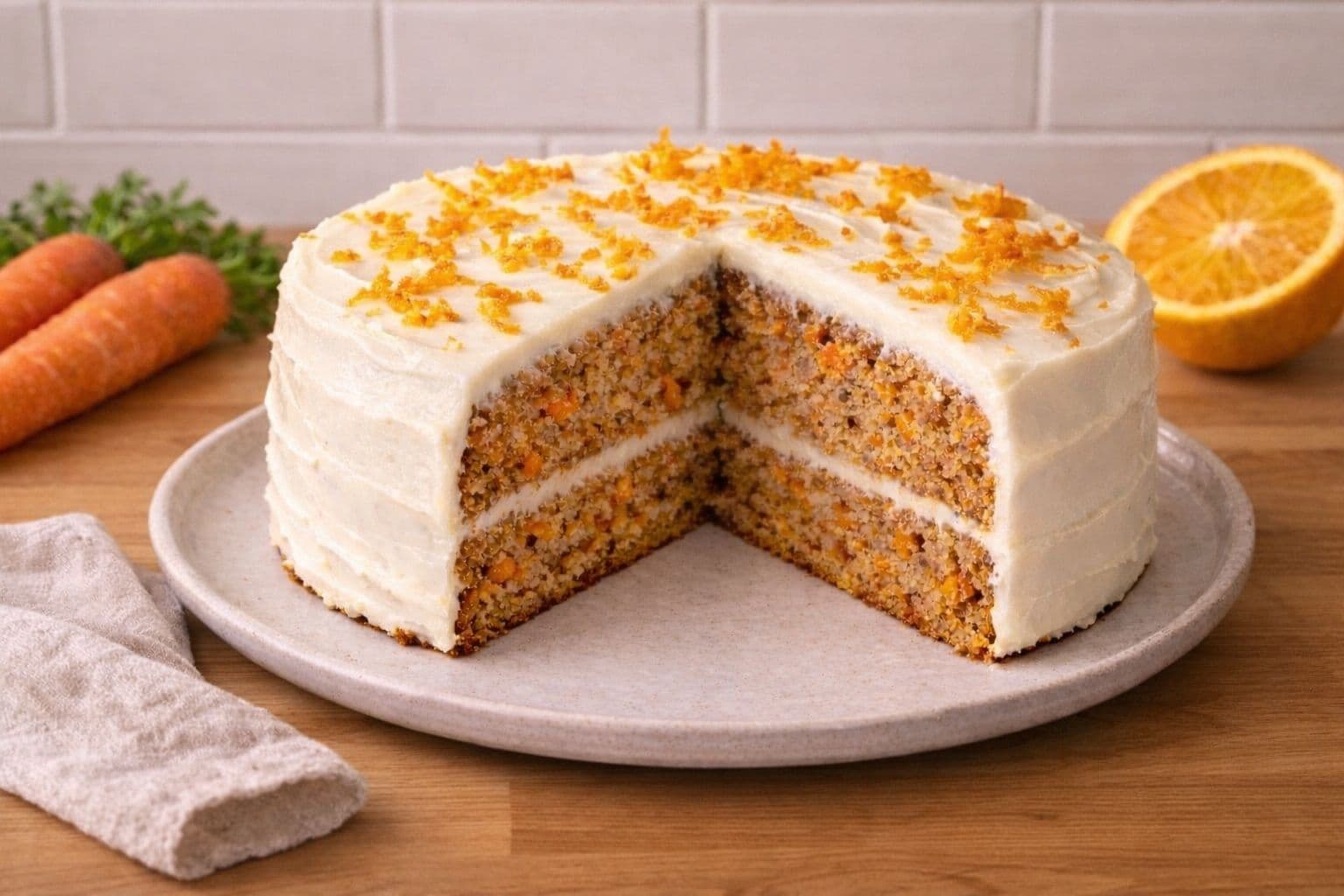
If you would like to try baking it yourself, you can find the full Carrot Cake with Cream Cheese Frosting recipe here, inspired by the classic versions that made this cake so beloved.
Photo credit for Rüeblitorte: Benutzer, At_u via Wikimedia Commons (CC BY-SA 3.0)