
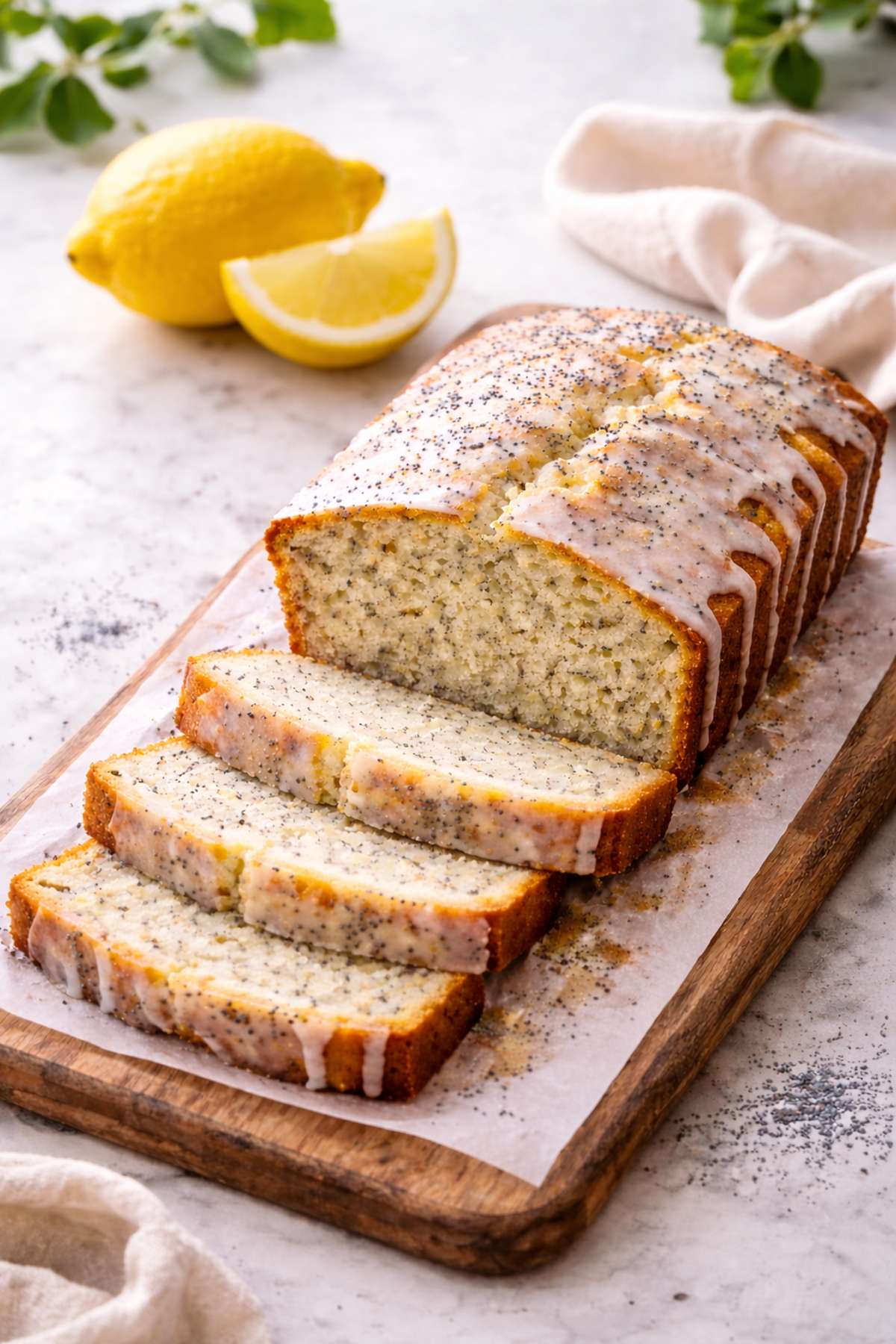
Lemon poppy seed cake is one of the most recognisable bakes today, appearing in everything from soft loaf cakes to café-style muffins. Yet this familiar cake is built on a pairing that did not emerge by chance. It reflects a long history of ingredients travelling across regions, from the citrus groves of the Mediterranean to the poppy seed traditions of Central and Eastern Europe.
Over time, bakers discovered that the sharp brightness of lemon and the mild, nutty texture of poppy seeds created a balance that felt both distinctive and complete.
Why is lemon poppy seed cake so popular?
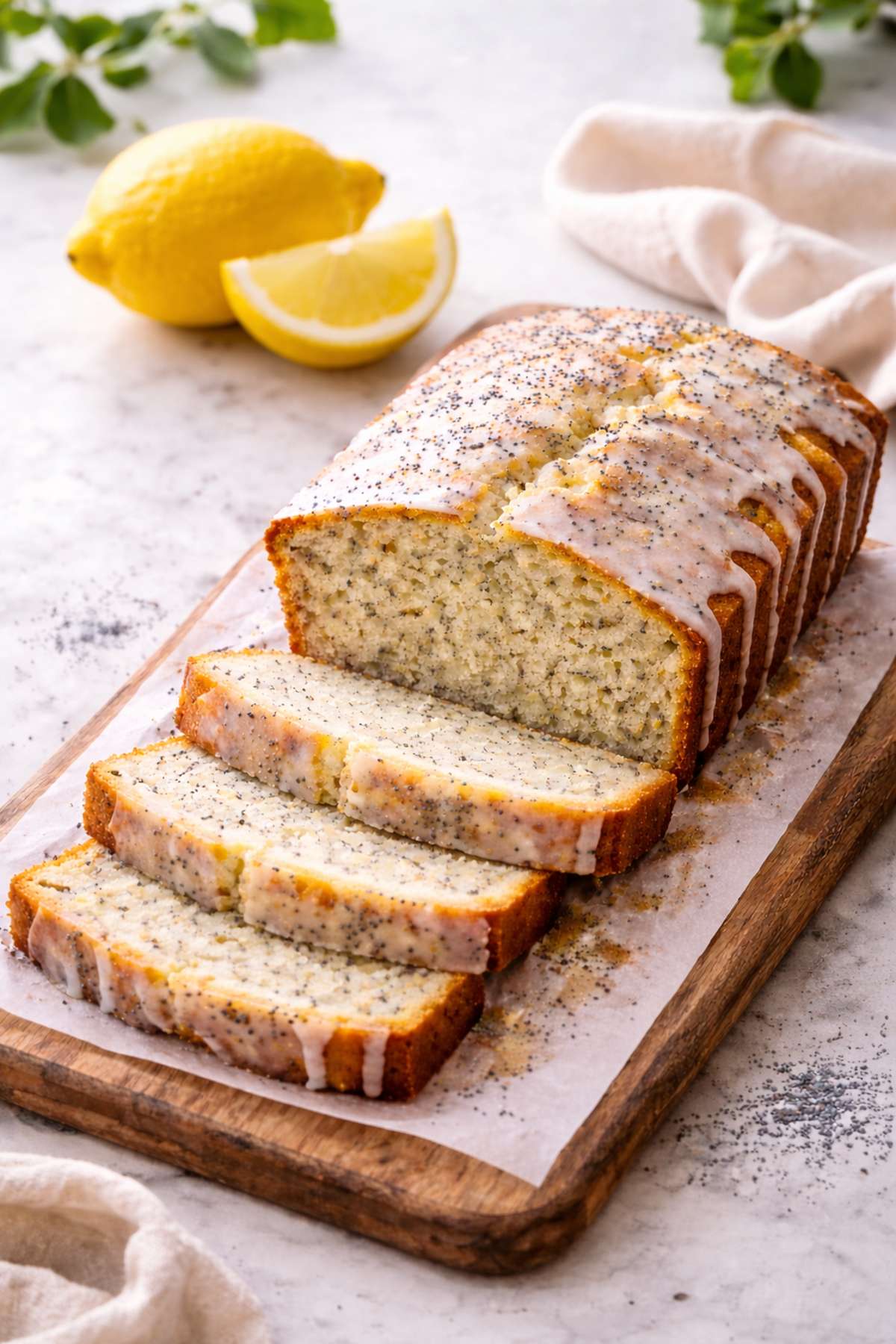
Lemon poppy seed cake is popular because it balances flavour and texture. The sharp acidity of lemon adds brightness, while poppy seeds provide a mild, nutty taste and a gentle crunch. This combination creates a cake that feels both light and satisfying, which is why it has remained a staple in home baking and cafés alike.
To understand how this cake came to be, it is worth tracing how these two ingredients, once used separately, gradually came together in European baking. Lemon and poppy seeds each have long and distinct histories, shaped by trade, agriculture, and regional traditions. Their eventual pairing reflects not a single invention, but a gradual process of adaptation as ingredients became more widely available.
The Arrival of Lemon in European Baking
Lemon entered Europe gradually through trade routes connecting Asia, the Middle East, and the Mediterranean. By around the 14th to 15th centuries, it was being cultivated more widely in regions such as southern Italy and Spain. One of the earliest detailed descriptions of citrus cultivation appears in the writings of Ibn al-‘Awwām, a 12th-century agricultural writer from Islamic Spain who documented farming practices, including citrus growing, in remarkable detail. By the late Middle Ages (1300 - 1500), lemons were no longer rare luxuries but had become increasingly integrated into European cooking and medicinal use.
Despite this, lemon remained relatively limited in early cooking. Sugar itself was still expensive, and it was only in the 17th and 18th centuries, when sugar became more widely available, that lemon began to appear more frequently in sweet preparations. Early British and French recipe collections include lemon-flavoured custards, puddings, and cakes, where lemon juice or zest was used to balance the richness of butter and eggs.
A notable example appears in The Art of Cookery Made Plain and Easy, first published in 1747, which includes recipes for lemon puddings and custards. These early preparations laid the foundation for more structured desserts that followed, including lemon meringue pie and refined pastry classics such as tarte au citron, where lemon became central rather than secondary.
The Deep-Rooted Tradition of Poppy Seeds
While lemon spread gradually across Europe, poppy seeds had already been part of its culinary traditions for centuries. Derived from the plant Papaver somniferum, they were widely used across Central and Eastern Europe, particularly in regions such as Poland, Hungary, Austria, and Bohemia (modern-day Czech Republic).
By the 17th and 18th centuries, poppy seeds were firmly established in baking, often used in dense fillings or incorporated into festive breads and pastries. Their significance was not purely culinary. In many traditions, they were associated with prosperity and abundance, which explains their frequent appearance in celebratory bakes.
Recipes using poppy seeds were well documented by the 17th and 18th centuries. One enduring example is the Central European poppy seed roll, known as Mohnstrudel or makowiec in Poland. These pastries relied on ground poppy seeds mixed with sugar and milk, creating rich, dense fillings that contrasted with the softness of the surrounding dough.
When Lemon Entered Everyday Baking
As ingredients became more accessible in the 18th and 19th centuries, baking began to shift. Cakes grew lighter, techniques became more refined, and flavour combinations expanded. Lemon moved from a relatively specialised ingredient into a more common feature of everyday baking.
In Britain, this can be seen in simple butter-based loaves such as lemon drizzle cake, where lemon is not merely a flavour but an integral part of the cake’s structure and finish. To understand how this humble loaf became a defining part of British baking, read The History of Lemon Drizzle Cake.
Across Europe, similar developments were taking place. French baking refined lemon into elegant pastries, while Central European traditions continued to evolve, gradually incorporating citrus into richer recipes. Lemon became a way to introduce balance, cutting through sweetness and adding clarity to otherwise dense bakes.
When Did Lemon and Poppy Seeds First Come Together?
The combination of lemon and poppy seeds does not appear as a single defined moment in written culinary history. Instead, it emerged gradually as both ingredients became more widely used in European kitchens.
By the 19th century, citrus was increasingly being added to cakes that had traditionally relied on nuts or seeds for richness. In German-speaking regions, variations of Mohnkuchen began to evolve, incorporating lighter batters and, in some cases, citrus elements. This shift reflected broader changes in baking, where improved access to ingredients and refined techniques allowed for more delicate textures.
Rather than being invented outright, the pairing developed through experimentation. Bakers adapted existing recipes, adding lemon to balance the density of poppy seed-based bakes. Over time, this combination proved effective enough to become a recurring feature.
Why Lemon and Poppy Seeds Work So Well Together
The success of this pairing lies in how naturally their characteristics complement one another. Lemon provides acidity and aroma, brightening flavours and preventing cakes from feeling overly rich. Poppy seeds, by contrast, contribute subtle nuttiness and a gentle texture, softening the sharpness of the citrus.
This interplay is evident across a wide range of lemon-based bakes. Whether in refined pastries such as tarte au citron, everyday cakes like lemon drizzle cake, or simple tray bakes such as lemon bars, lemon benefits from contrast. Poppy seeds provide that contrast without overpowering the overall flavour.
There is also a functional element to the pairing. Poppy seeds absorb fat and moisture, helping to distribute flavour more evenly throughout a batter. This results in a cake that tastes balanced rather than sharply divided between sweet and sour.
The Emergence of Lemon Poppy Seed Cake
Lemon poppy seed cake, as it is known today, is a relatively modern development. While the individual ingredients had long histories, their combination in a light, butter-based cake became more common only in the late 19th and early 20th centuries.
As baking techniques advanced and ingredients such as refined flour and sugar became widely accessible, cakes became lighter in texture. This created the ideal base for combining citrus and seeds. The pairing moved away from dense, filled pastries and into softer sponge and loaf-style cakes, particularly in domestic baking.
The American Reinvention
The pairing gained widespread popularity in the United States during the 20th century, where it became associated with everyday baking and café culture. Lemon poppy seed cakes and muffins appeared in home kitchens and bakeries alike, valued for their balance of flavour and their approachable texture.
Cookbooks from this period began to standardise recipes for lemon poppy seed loaves, reflecting a broader shift towards lighter, more casual bakes. In this context, the pairing became less tied to its European origins and more associated with modern, everyday treats.
A Classic That Endures
Today, lemon appears across a wide range of bakes, from refined French pastries to homely British cakes and American café-style treats. Within this landscape, lemon poppy seed cake stands as a natural continuation of a much longer history.
What began as the meeting of two ingredients from different culinary traditions has become a pairing that feels almost inevitable. Its appeal lies not in complexity, but in balance.
The brightness of lemon and the quiet texture of poppy seeds create a combination that continues to feel relevant, adaptable, and enduring in baking today.
To experience this balance for yourself, try our Lemon Poppy Seed Cake Recipe.
You may also be interested in exploring other lemon-based bakes, from the refined elegance of tarte au citron to the everyday comfort of lemon drizzle cake and the classic contrast of lemon meringue pie, each offering a different perspective on how lemon has shaped baking across regions and traditions.