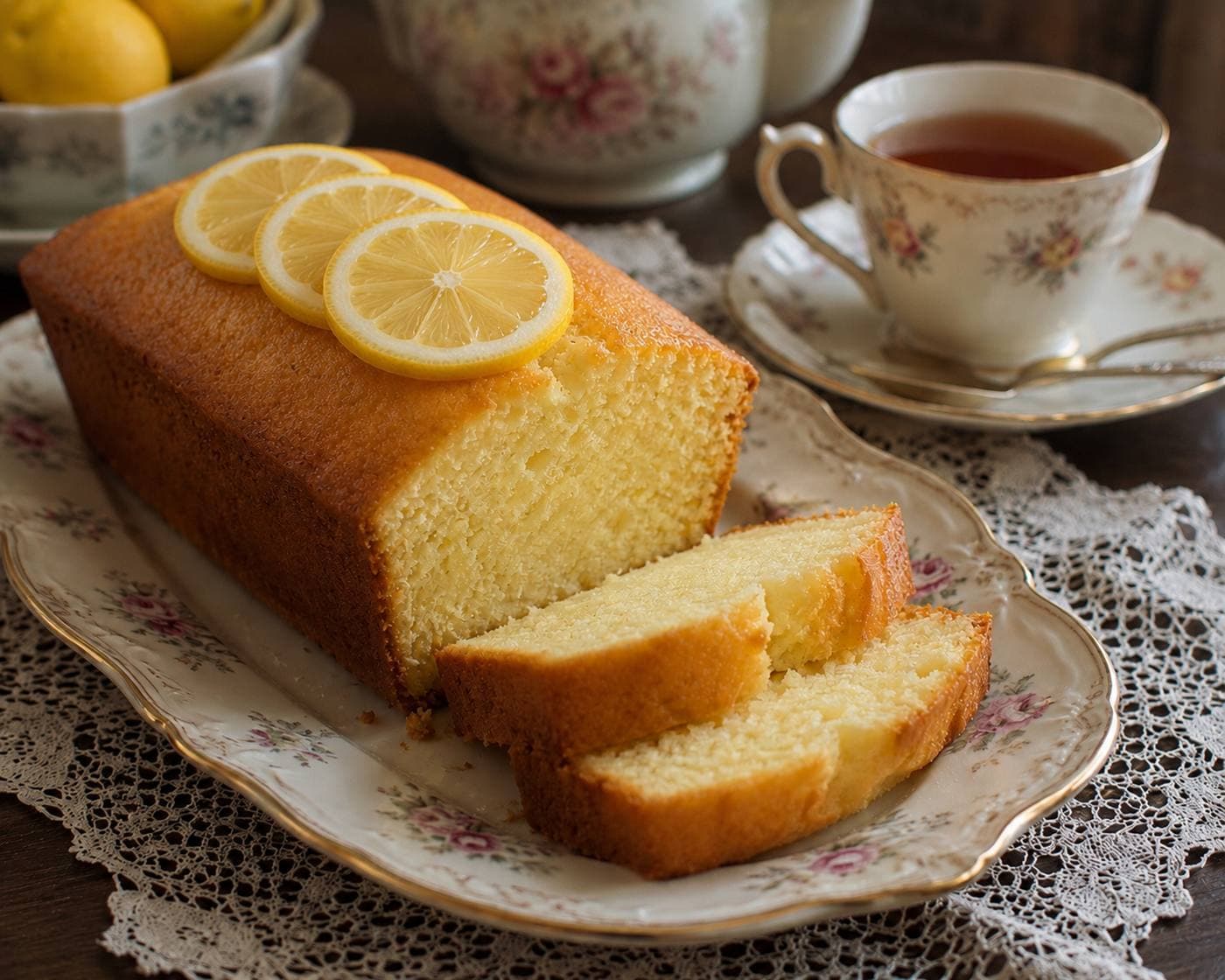
Long before towering layer cakes, whipped frostings, or supermarket cake mixes, there was Pound Cake — a dense, buttery cake built from one of the simplest formulas in baking history.
At first glance, pound cake seems almost too ordinary to have changed baking forever. It contains no elaborate decoration, no dramatic filling, and no complicated technique. Yet this humble cake quietly became one of the most influential bakes ever created. It helped standardise cake recipes, shaped the evolution of butter cakes around the world, and introduced a formula so practical that it survived for centuries.
Even today, traces of the original pound cake live on in loaf cakes, tea cakes, Bundt cakes, Madeira cakes, butter cakes, and countless home baking recipes passed from one generation to another.
A Cake Built on Simplicity
The origins of pound cake are generally traced to Northern Europe in the early 18th century, during a period when baking was becoming more refined and ingredients such as sugar, butter, and wheat flour were increasingly available to ordinary households.
Its name came directly from its recipe of combining 1 pound each of butter, sugar, eggs and flour.
The formula was astonishingly simple and easy to remember. In an era before digital scales, measuring cups, or widespread literacy, recipes needed to be practical. Many home cooks memorised recipes rather than reading from books, and weighing ingredients by the pound offered a reliable system.
Instead of needing precise instructions, the baker only had to remember equal weights of four ingredients.
The result was a large, rich cake with a firm crumb and excellent keeping qualities.
The Earliest Pound Cake Recipes
One of the earliest published pound cake recipes appeared in English cookbook The Art of Cookery Made Plain and Easy by Hannah Glasse in 1747.
Early pound cakes were not delicate in the modern sense. They were heavy, substantial cakes intended to feed large households and remain edible for several days. Before refrigeration, this mattered enormously. Cakes that dried out quickly or spoiled easily were impractical.
The high proportion of butter and eggs gave pound cake richness and structure, while sugar helped preserve moisture. The dense crumb also travelled well and could withstand storage better than fragile sponge cakes.
In many ways, pound cake sat somewhere between bread and modern cake — richer than everyday bread but sturdier than the airy celebration cakes that would emerge later.
Why Pound Cake Was Revolutionary
Today, recipes often rely on precise ratios, detailed instructions, and specialised equipment. Pound cake changed baking because it introduced one of the earliest truly standardised cake formulas.
For the first time, ordinary home bakers had a dependable recipe framework that could be repeated successfully.
The cake also demonstrated several important baking principles that still shape modern baking today, namely the balance of fat, sugar, eggs, and flour, the importance of structure versus tenderness, the relationship between moisture and shelf life, and the role of creaming butter and sugar to incorporate air.
As baking science evolved, bakers began modifying the original formula to improve texture and flavour. Some reduced the flour for a softer crumb. Others added additional egg yolks for richness or milk for moisture. Eventually, chemical leaveners such as baking powder made cakes lighter and taller.
These gradual adjustments transformed pound cake into the ancestor of modern butter cakes.
The French Connection: Quatre-Quarts
As pound cake spread across Europe, French bakers adapted the formula into what became known as Quatre-Quarts, meaning “four quarters”. While rooted in the same equal-ratio concept as traditional Pound Cake, the French version reflected the growing refinement of European patisserie during the late 18th and early 19th centuries.
Like pound cake, quatre-quarts relied on equal proportions of four ingredients: eggs, butter, sugar, and flour. Traditional recipes often measured the remaining ingredients according to the weight of the eggs, making the cake both practical and beautifully adaptable.
French bakers gradually refined the technique further, paying closer attention to aeration, texture, and balance. Over time, these refinements influenced the broader evolution of European butter cakes and patisserie traditions.
How Pound Cake Spread Across the World
As European baking traditions spread through migration and colonial trade, pound cake travelled with them.
Britain developed its own rich butter cakes and Madeira cakes.
In the United States, particularly in the South, pound cake became deeply woven into home baking culture. Southern pound cakes often evolved into highly personalised family recipes featuring sour cream, cream cheese, buttermilk, vanilla, almond extract, lemon, or nutmeg.
Many families guarded their pound cake recipes fiercely, passing them down across generations.
In Scandinavia and parts of Northern Europe, similar buttery loaf cakes became common companions to coffee culture and afternoon gatherings.
Although regional flavours differed, the foundation remained recognisable: a rich cake built from butter, sugar, eggs, and flour.
The Shift from Dense to Light Cakes
One of the most important developments in cake history was the gradual move from dense cakes to lighter, airier textures.
Early pound cakes relied almost entirely on eggs and physical mixing for lift. This limited how light the crumb could become.
The invention and growing popularity of baking powder during the 19th century transformed cake baking dramatically. Cakes could now rise higher with less physical effort, creating softer crumbs and more delicate textures.
This marked the beginning of the modern butter cake era.
Many cakes we now consider “classic” — vanilla cakes, loaf cakes, tea cakes, and even some birthday cakes — owe part of their structure and formulation to pound cake’s original framework.
Why Pound Cake Keeps So Well
One reason pound cake survived for centuries is because it stores exceptionally well.
High-fat cakes retain moisture longer than low-fat sponge cakes. Butter coats flour proteins, limiting gluten development and slowing staling. Sugar also attracts and retains moisture.
Overnight, the cake often becomes even better.
Moisture redistributes through the crumb, flavours deepen, and the texture becomes more cohesive. This is why many pound cakes taste richer and softer the next day.
Unlike delicate whipped-egg cakes that can dry out quickly, pound cake was designed for practicality as much as pleasure.
In earlier centuries, this durability made it ideal for travel, gatherings, and households where baking every day was unrealistic.
The Legacy of Pound Cake Today
Modern baking has moved far beyond the original one-pound formula, yet pound cake remains everywhere.
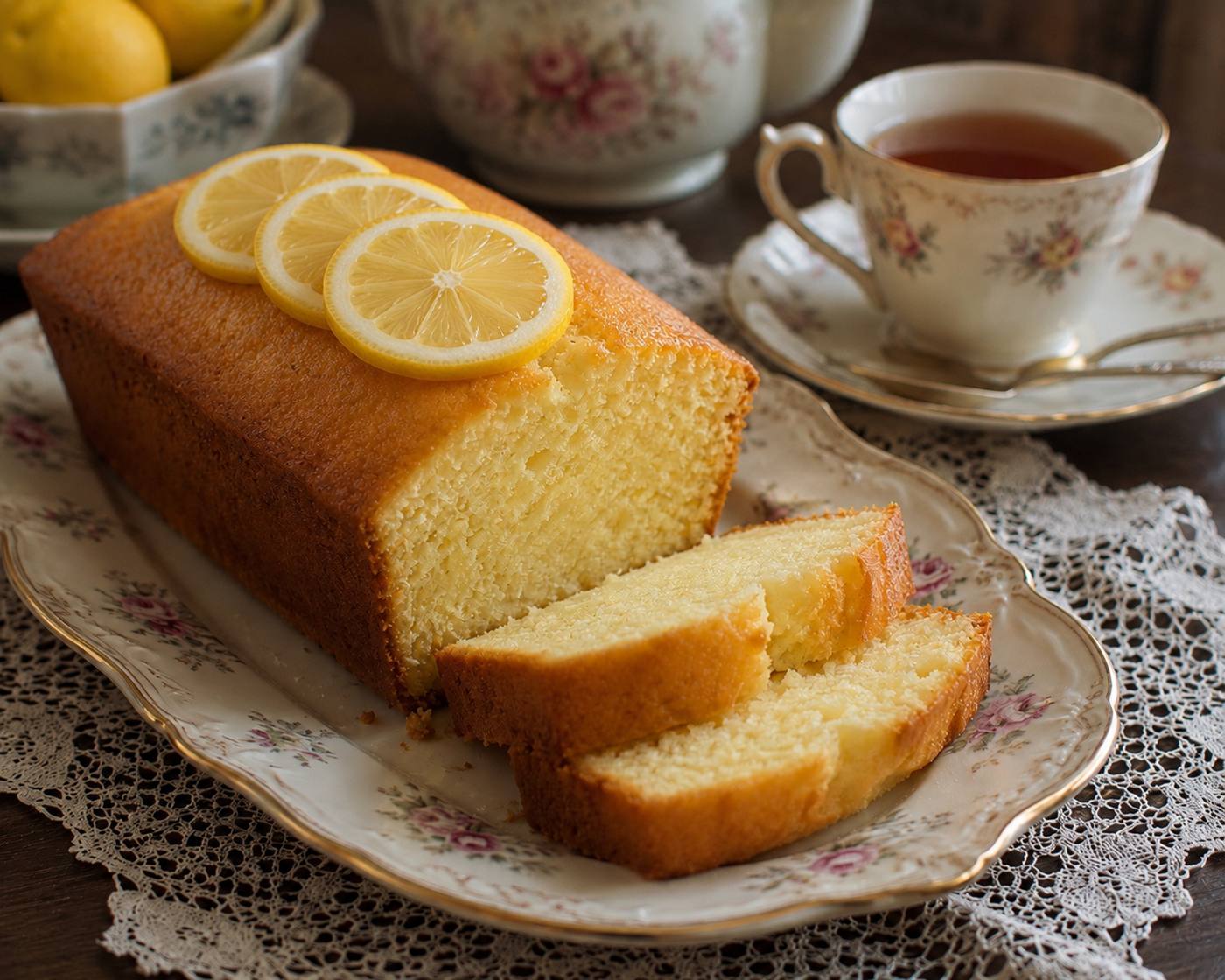
It survives in café loaf cakes, Bundt cakes, tea cakes, marble cakes, lemon loafs, butter cakes, and countless homemade recipes baked in kitchens around the world.
Even when recipes no longer use equal pounds of ingredients, the underlying structure often reflects pound cake’s influence.
What began as a practical formula became the foundation for generations of cake baking.
The next time you slice into a buttery loaf cake with a tender crumb and golden crust, you are tasting part of a baking tradition that has lasted for centuries.
Pound cake did not change baking through extravagance.
It changed baking through reliability, simplicity, and the quiet brilliance of a formula people could remember, trust, and pass on.
Stories Behind the Bakes
If you enjoyed the history of traditional butter cakes, you may also enjoy reading about — and how resting changes texture, flavour, and moisture.
If you enjoyed learning about the history of pound cakes, you may also like exploring the science behind why some cakes improve after resting overnight in Why Some Cakes Taste Better the Next Day. You can also try baking a timeless butter-rich loaf yourself with this Classic Lemon Pound Cake Recipe, where bright citrus flavour meets the buttery texture that made pound cakes beloved for generations.