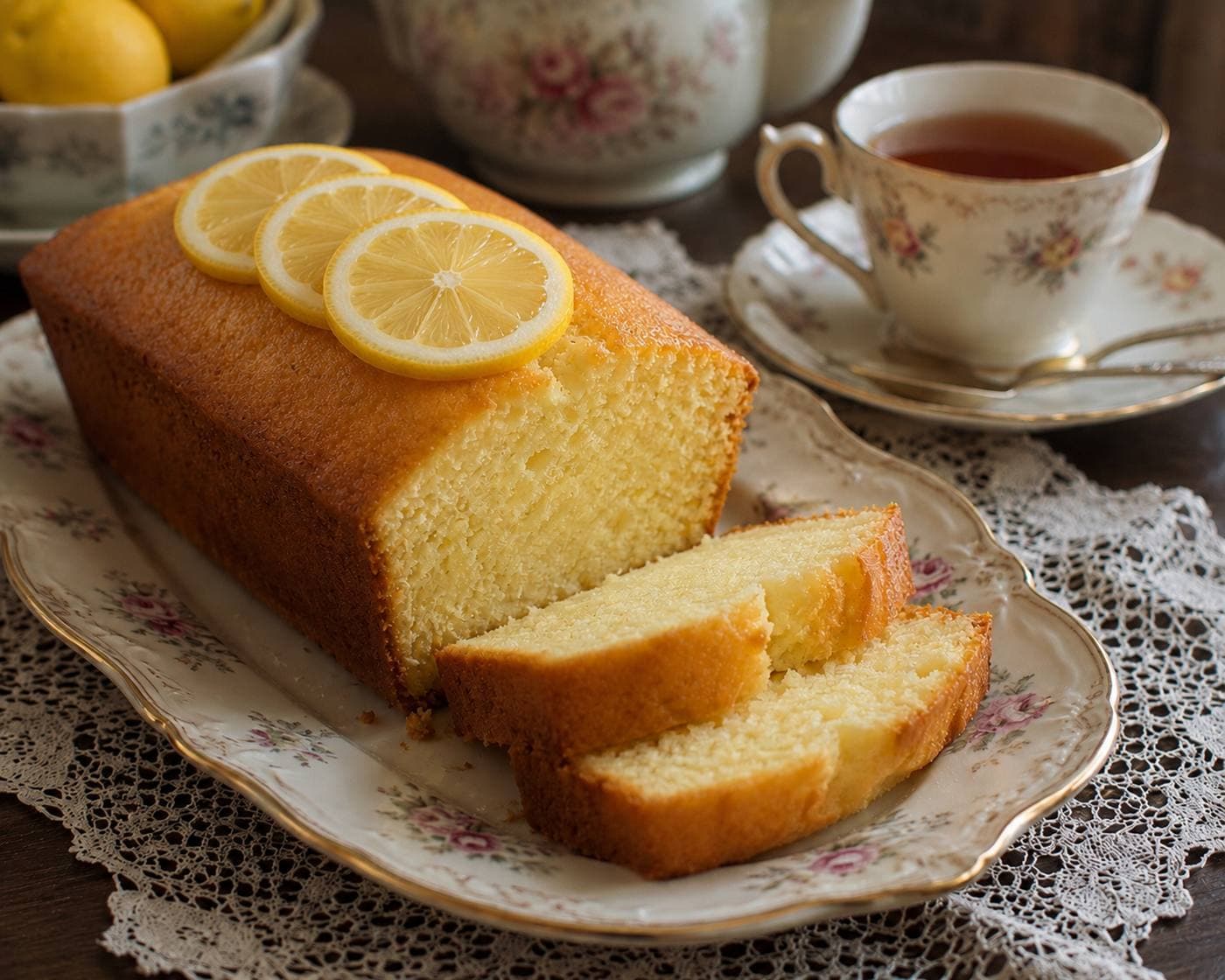
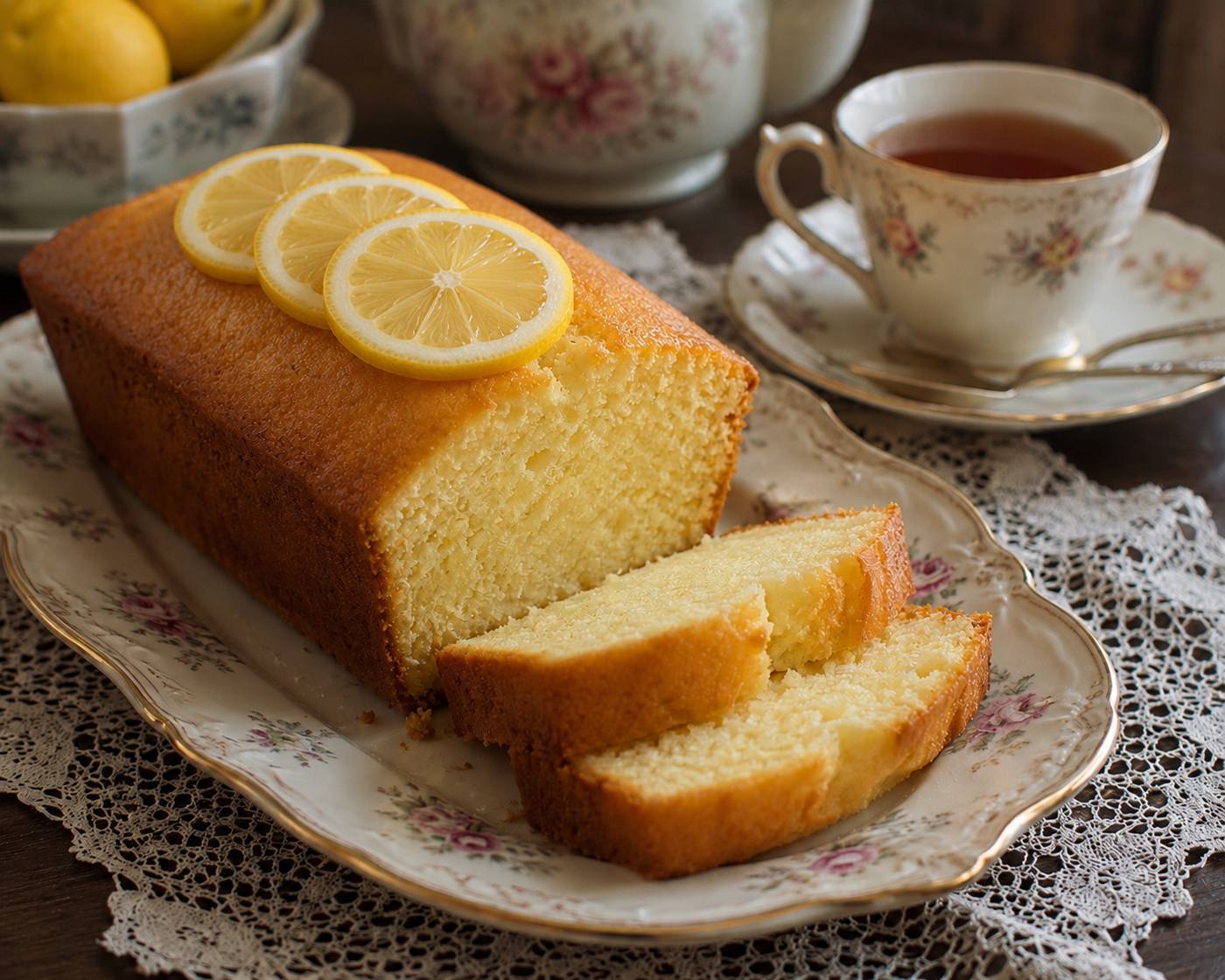
Classic lemon pound cake recipe with a rich buttery crumb, fresh lemon flavour, and a soft texture that tastes even better the next day.
There is something deeply comforting about a classic lemon pound cake. With its rich buttery flavour, close crumb, and bright citrus fragrance, it is the kind of cake that feels timeless — equally suited to a quiet afternoon tea or a simple family gathering.
Unlike lighter sponge cakes, a traditional pound cake is dense in the best possible way: rich, satisfying, and beautifully fragrant with butter, vanilla, and fresh lemon.
While traditional pound cakes relied on equal weights of butter, sugar, eggs, and flour, modern versions like this recipe are often slightly adjusted for a softer crumb and better balance.
Classic lemon pound cake inspired by the original pound cake that changed baking forever.
Historically, pound cake earned its name from the original formula that used one pound each of butter, sugar, eggs, and flour. While modern versions have evolved for better balance and texture, the spirit of the cake remains unchanged. This classic lemon pound cake builds on that heritage by combining the richness of a traditional butter cake with the fresh brightness of lemon, creating a loaf that feels both comforting and elegant.
One of the lovely qualities of pound cake is how well it keeps. In fact, many bakers feel a classic lemon pound cake tastes even better the next day, once the crumb has settled and the buttery lemon flavours have deepened. If you enjoy understanding why certain cakes improve with rest, you may also enjoy reading Why Some Cakes Taste Better the Next Day, where I explore how time affects texture, moisture, and flavour in different types of cakes.
A few reliable baking tools can make pound cakes more consistent and enjoyable to prepare.
Loaf Tin A light-coloured metal loaf tin encourages even baking and helps prevent the crust from darkening too quickly before the centre is fully baked. Dark pans absorb more heat and may create thicker edges. I like using a 9×4 inch Pullman Loaf Pan for this bake. Line the tin with parchment paper, leaving some overhang for easy lifting after baking.
Stand Mixer or Hand Mixer Creaming butter and sugar properly is one of the most important stages in pound cake baking. A stand mixer fitted with a paddle attachment helps incorporate air evenly into the batter, creating a finer crumb and lighter texture despite the cake’s richness. I use my KitchenAid Stand Mixer for this step, as it delivers consistent results and handles the creaming smoothly without overworking the batter. A Hand Mixer works equally well, especially for smaller batches or quicker preparation.
Digital Kitchen Scale Using a scale improves consistency and accuracy, especially for flour. Too much flour can make the cake dry and heavy. Traditional pound cakes were originally based on weight measurements, so weighing ingredients continues that heritage while improving precision.
Cooling Rack Allowing air to circulate around the cake prevents trapped steam from softening the crust excessively. Let the cake cool in the tin for about 10 minutes before transferring it to a Cooling Rack.
Room Temperature Ingredients Matter Butter, eggs, and milk blend more smoothly when brought to room temperature. Cold ingredients can cause the batter to curdle or mix unevenly, affecting the final texture.
Use good-quality butter for the best flavour and texture — ideally with at least 82% fat, made from simple ingredients (just cream), and with a clean, creamy aroma. I like using Kerrygold Pure Irish Butter, and I don’t mind it being salted as it adds a subtle depth of flavour.
Do Not Overmix After Adding Flour Once the flour is incorporated, mix only until combined. Overmixing develops excess gluten, which can make the crumb dense and slightly rubbery rather than soft and buttery.
Test Carefully for Doneness A pound cake is thick and rich, so baking times can vary slightly between ovens. Insert a Cake Tester or skewer into the centre; it should come out clean or with a few soft crumbs.
Resting Improves Flavour Like many butter-based cakes, pound cake often tastes even better after several hours or overnight. The crumb settles and the buttery flavour becomes deeper and more cohesive.
STORAGE & SERVING
Store the cake in an airtight container at room temperature for up to 3 days.
For longer storage, refrigerate for up to 1 week. Bring slices to room temperature before serving for the best texture and flavour.
This cake pairs beautifully with black tea, Earl Grey, or coffee and is especially lovely served the next morning when the lemon flavour has mellowed and deepened slightly.
Grease and line a 9×5-inch loaf tin with parchment paper.
5
Place the caster sugar into a mixing bowl. Add the lemon zest and rub it into the sugar with your fingertips until fragrant. This helps release the lemon oils and gives the cake a deeper citrus aroma.
6
Using a stand or hand mixer with a paddle attachment, cream the butter together with the lemon sugar until pale, fluffy, and noticeably lighter in texture.
7
Add the eggs one at a time, beating well after each addition.
8
Mix in the lemon zest, lemon juice, and vanilla extract.
9
In a separate bowl, whisk together the plain flour, baking powder, and salt.
10
Add the dry ingredients to the batter in three additions, alternating with the milk. Begin and end with the flour mixture.
11
Mix on low speed only until the batter is smooth and combined.
12
Transfer the batter into the prepared loaf tin and smooth the surface lightly.
13
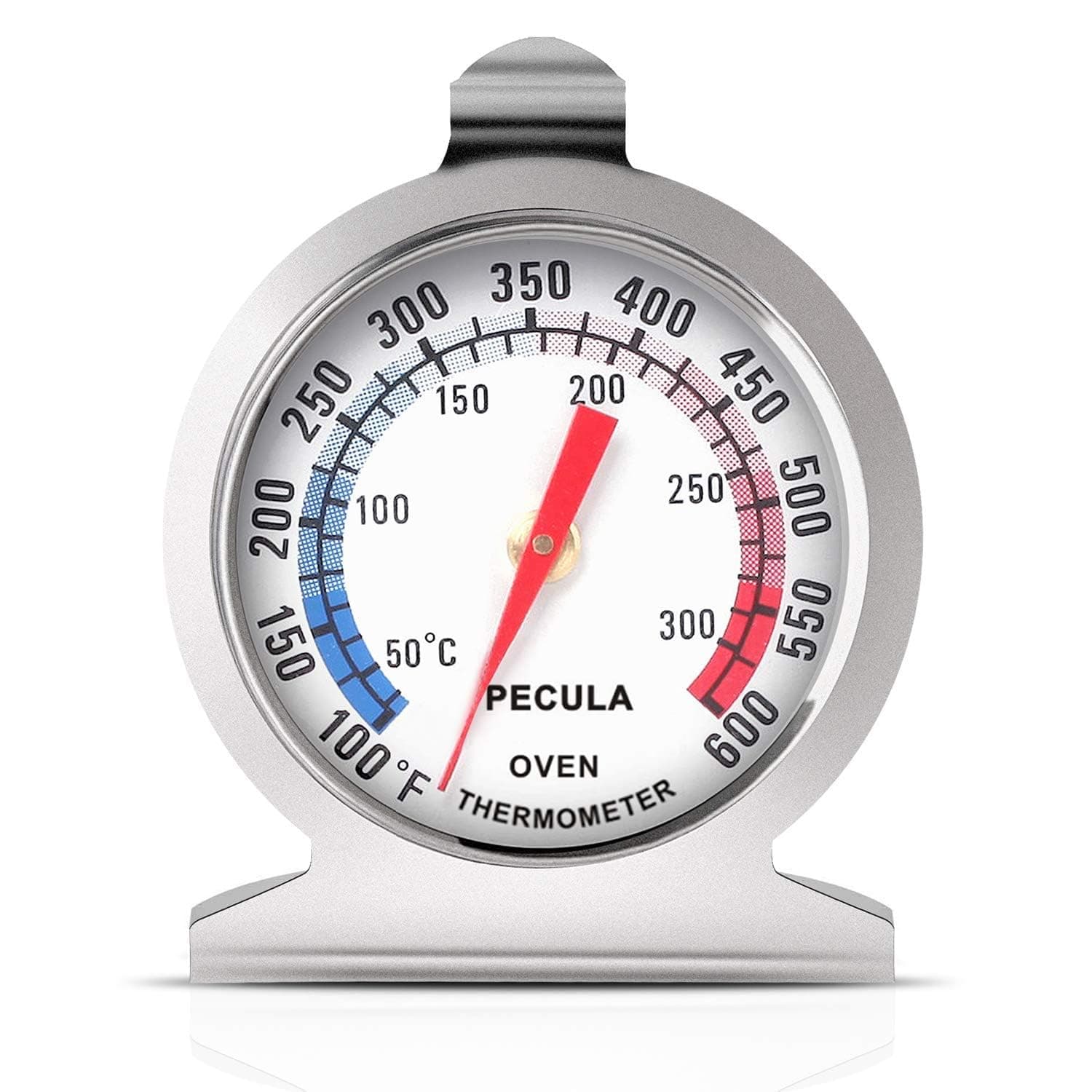
Bake for 55–65 minutes or until a skewer inserted into the centre comes out clean.
14
Allow the cake to cool in the tin for 15 minutes before transferring to a wire rack.
15
Decorate the top with a few slices of lemon, if desired.