Why Some Cakes Taste Better the Next Day
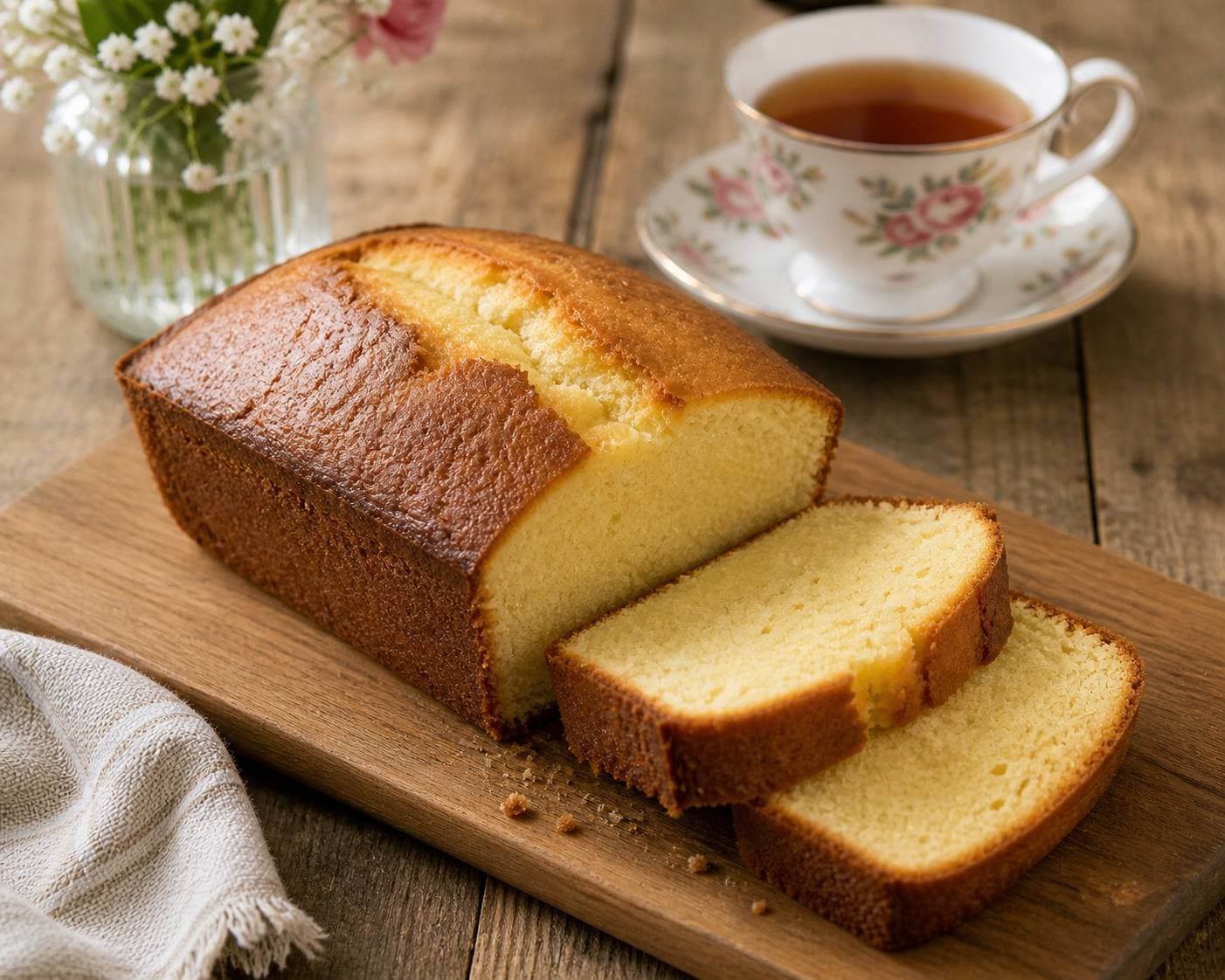
There is a quiet moment many recognise. You slice into a cake the day it is baked — warm, fragrant, promising — and it tastes good. But the next day, something has changed. The crumb feels softer, the flavours rounder, the whole cake more complete. It simply tastes better.
This is not imagination. It is chemistry, structure, and time working together in ways that transform a cake after it leaves the oven.
What Changes Overnight?
A freshly baked cake is still in transition. Heat has driven off moisture, starches have gelatinised, proteins have set, and fats have melted and dispersed. But once the cake cools, these elements continue to shift and reorganise.
The most important changes come from moisture redistribution and starch behaviour.
When a cake is first baked, moisture is unevenly distributed. The outer edges are drier, the centre more humid. As the cake rests, water migrates from areas of higher concentration to drier parts of the crumb. This creates a more uniform texture — what felt slightly dry at the edges on day one often becomes soft and cohesive by day two.
At the same time, starches begin to reorganise in a process known as retrogradation. After baking, the gelatinised starch molecules slowly realign and firm up slightly, giving the cake more structure. In the early stages, this helps the crumb hold together better, making it feel softer and less crumbly rather than dry. As a result, the cake slices more cleanly and has a smoother, more cohesive mouthfeel.
The Role of Fat and Sugar
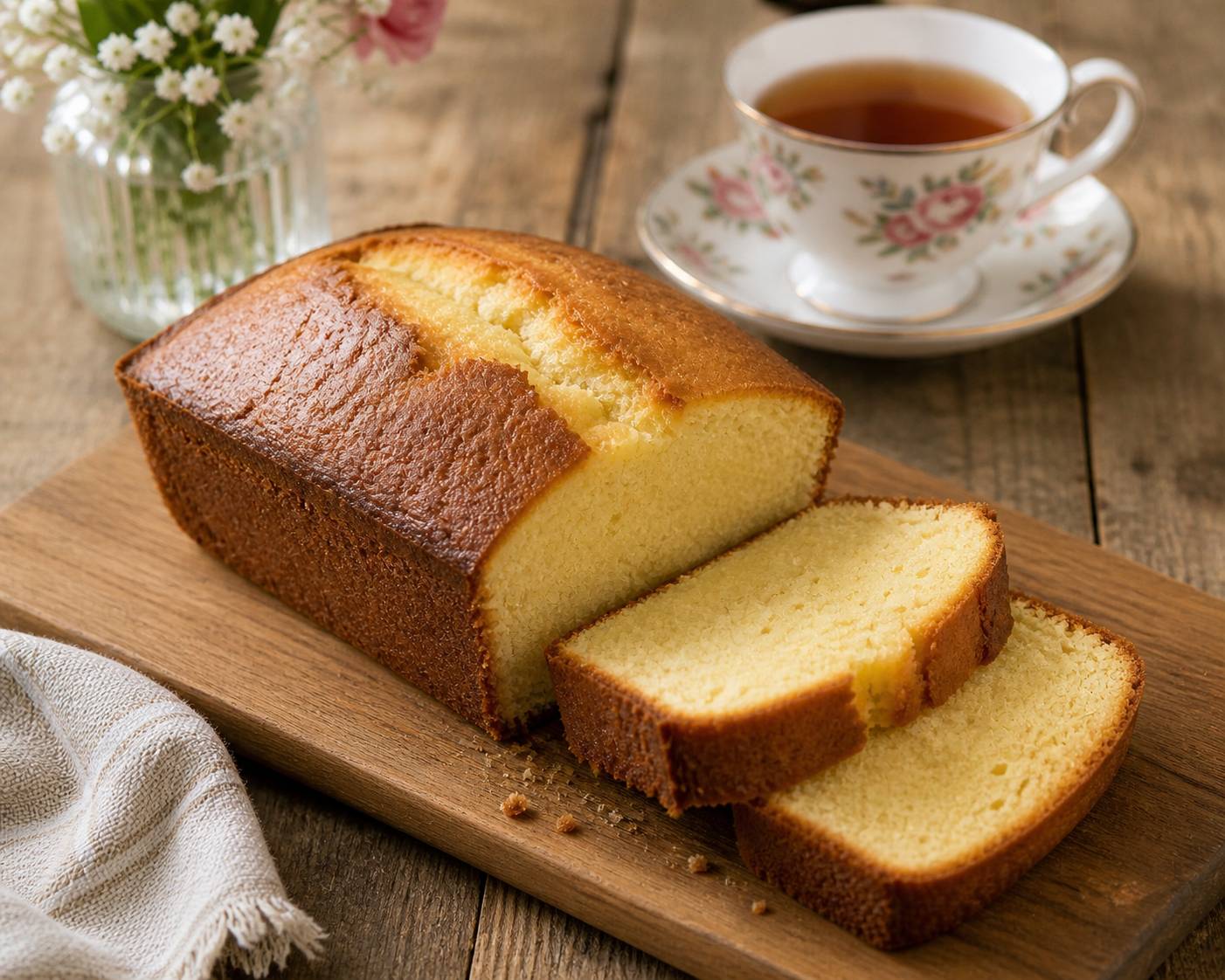
Butter cakes, oil-based cakes, and rich loaves benefit the most from resting. This is largely due to how fat behaves after baking.
As a cake cools, fats that were liquid in the oven begin to solidify again. This firms up the structure slightly, but more importantly, it helps trap moisture within the crumb. Overnight, this creates a sensation of richness and softness that is often missing when the cake is still warm.
Sugar plays an equally important role. It is hygroscopic, meaning it attracts and holds onto moisture. Over time, sugar helps pull moisture back into drier parts of the cake, enhancing both texture and perceived sweetness.
This is why cakes like lemon poppy seed loaf or a classic butter cake often taste more balanced the next day — the sharpness softens, and the sweetness feels more integrated rather than sitting on the surface.
Flavour Development: Why It Tastes More “Complete”
Beyond texture, flavour is where the real transformation happens.
Freshly baked cakes can sometimes taste slightly disjointed. Individual notes — vanilla, citrus, butter — stand apart rather than blending together. Given time, these flavours begin to meld.
Aromatic compounds continue to diffuse through the crumb after baking. Citrus zest, for example, releases oils that gradually permeate the cake. Spices deepen. Vanilla becomes more rounded. Even the subtle caramel notes from baked sugar become more pronounced.
This is especially noticeable in citrus cakes, spiced cakes, fruit-based cakes, and syrup-soaked or glazed cakes. By the next day, the cake no longer tastes like a collection of ingredients. It tastes like a single, cohesive creation.
Why Some Cakes Improve More Than Others
Not all cakes benefit equally from resting. The way a cake is structured — whether it relies on fat or air — determines how it will change over time.
Butter cakes and pound cakes develop a finer, more cohesive crumb and a richer flavour as they rest. Oil-based cakes retain moisture exceptionally well and often become even softer. Fruit cakes and loaf cakes allow flavours to deepen and integrate over time, while citrus cakes mellow and become more balanced as their acidity softens.
These improvements come from the way fat helps retain moisture and stabilise the crumb, allowing both texture and flavour to settle and develop overnight.
By contrast, cakes made by separating eggs and whipping the whites, such as sponge or chiffon cakes, rely on air for their lightness rather than fat. As they sit, these air bubbles gradually tighten and collapse, causing the cake to lose some of its softness and lift. Sponge cakes such as genoise can dry out quickly due to their lower fat content, while chiffon cakes may lose their delicate, airy texture if left too long. Whipped-egg-based cakes are often at their best within hours of baking.
Cakes with crisp elements, such as meringue toppings, can also lose their defining texture overnight and are best served fresh.
Understanding this distinction allows you to plan your baking more intentionally — some cakes are meant to be enjoyed immediately, while others reward patience.
Storage Matters More Than You Think
A cake will only improve overnight if it is stored properly. Left exposed, it will simply dry out.
The goal is to retain moisture while allowing the cake to rest.
Once completely cooled, wrap the cake tightly in cling film or store it in an airtight container. This prevents moisture loss and allows internal redistribution to occur effectively.
For cakes with glazes or syrups, this resting period is even more important. The liquid continues to absorb into the crumb, enhancing both flavour and texture.
In many traditional baking practices, cakes were intentionally made a day ahead for this reason. Time was treated as an ingredient, not an inconvenience.
A Baker’s Advantage
For a home baker, this knowledge changes how you approach timing.
Instead of rushing to serve a cake the moment it cools, you can bake ahead with confidence — knowing that, for many cakes, tomorrow’s slice will be better than today’s.
It also explains why certain cakes from bakeries or cafés often taste exceptionally good. They have had time to rest, settle, and develop fully before being served.
When to Bake Ahead — and When Not To
If you are baking for guests, the choice becomes strategic.
Cakes such as lemon cakes, butter cakes, loaf cakes, spiced cakes, fruit cakes, and glazed or syrup-soaked cakes benefit from being made in advance, as their texture and flavour improve with time.
On the other hand, light sponge cakes, cakes with whipped cream fillings, and cakes that rely on crisp textures are best prepared and served on the same day.
Understanding this distinction allows you to control not just flavour, but the entire eating experience.
A More Nuanced Idea of Freshness
We often assume that “freshly baked” automatically means “best”. In many cases, that is true. But with cakes, freshness is not always about immediacy — it is about balance.
A cake that has rested is not less fresh. It is more complete.
And once you notice the difference, it is difficult to go back.
If you’d like to experience this for yourself, try my Classic Butter Cake Recipe and taste how beautifully it improves the next day.
Affiliate Disclosure: This article may contain affiliate links. When you purchase through these links, we may earn a commission at no additional cost to you. This helps support our content creation.