
Why Berry Desserts Taste Better in Summer
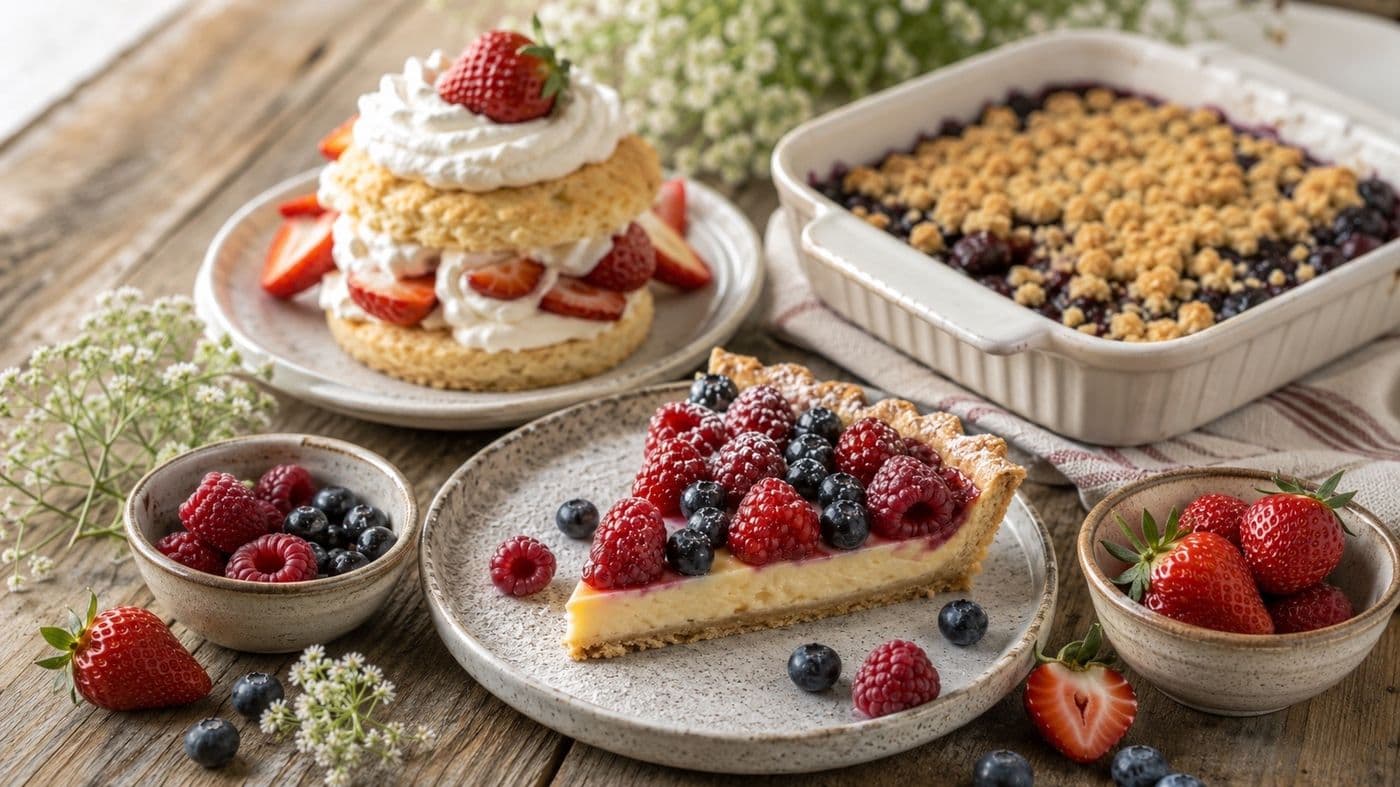
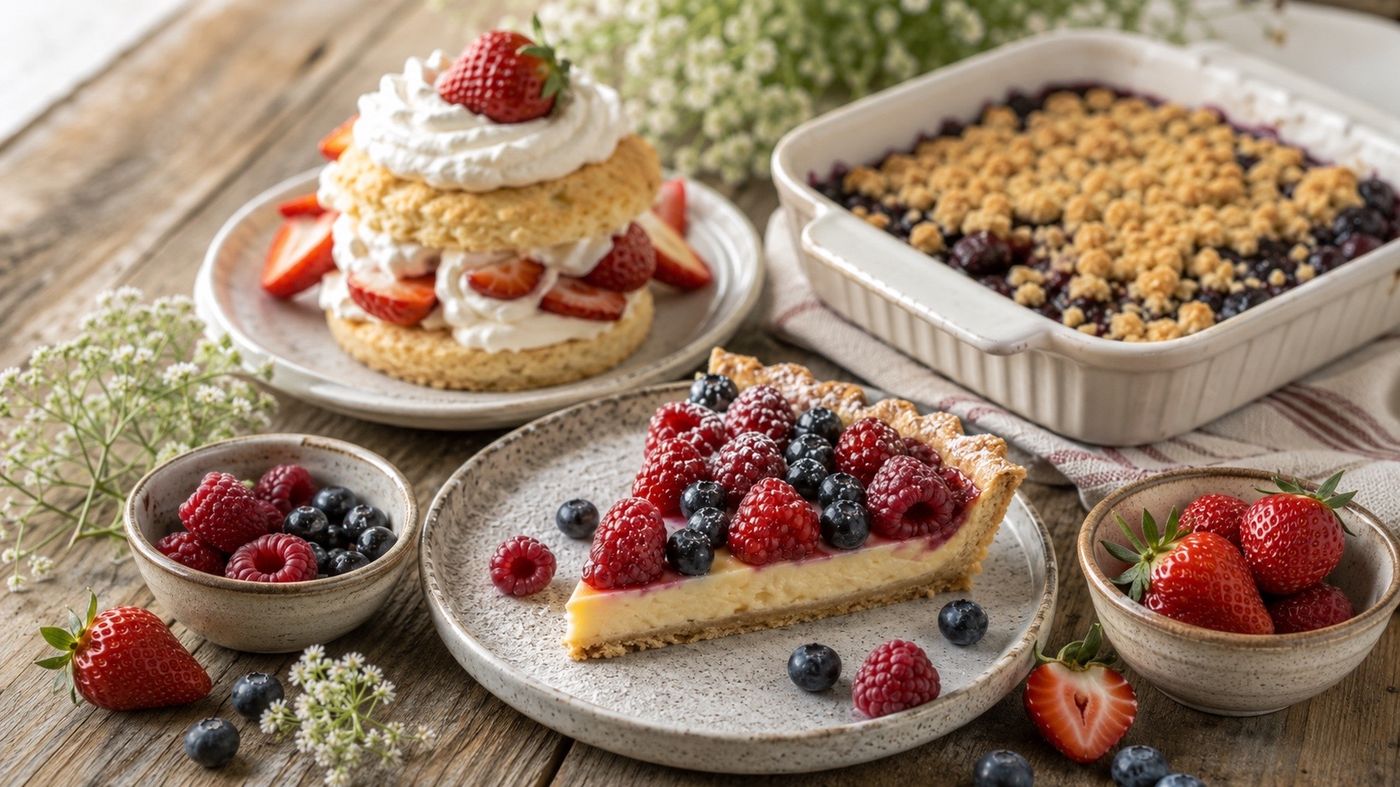
There is a reason why strawberry shortcakes feel sweeter, blueberry crumbles taste deeper, and raspberry tarts seem brighter in summer. It is not simply nostalgia or presentation. Berries, more than most fruits, are shaped by season, sunlight, and time. When they are harvested at their peak, their flavour is fuller, their sweetness more pronounced, and their acidity better balanced.
For centuries, these qualities have made berries central to summer baking traditions across Europe and North America. Long before refrigeration and global supply chains, berries were fleeting ingredients — available only for a few precious weeks each year. Bakers learned to make the most of this short window, creating desserts that highlighted freshness rather than complexity.
Today, even with berries available year-round, the best bakes still begin in summer.
Why Berries Taste Better in Summer
The difference lies in how berries grow.
During the summer months, longer daylight hours allow berries to develop higher natural sugar levels. Strawberries, blueberries, and raspberries accumulate sugars through photosynthesis, and the intensity of sunlight directly affects their sweetness. At the same time, warm temperatures soften their structure, enhancing juiciness and aroma.
Equally important is ripeness. Summer berries are often picked close to full maturity, especially when sourced locally. Unlike off-season fruit harvested early for transport, summer berries ripen fully on the plant. This results in a more complex flavour — one that balances sweetness with gentle acidity.
Historically, this difference mattered even more. In earlier centuries, fruit that was picked unripe simply did not exist in everyday markets. What was available was what was in season.
A Short History of Berry Bakes
Berries were among the earliest fruits to be gathered and enjoyed seasonally, long before they became ingredients in formal desserts. In Europe, wild strawberries, bilberries, raspberries, blackberries and other woodland fruits were eaten fresh, preserved, or cooked into simple preparations when available. Their short season made them both valuable and practical, often used quickly in tarts, pies, puddings, sauces, and later cakes.
One of the clearest early records of fruit baked in pastry comes from medieval cookery. The Forme of Cury, compiled around 1390 in the kitchens of King Richard II, includes recipes for fruit-filled tarts and other pastry-based dishes. These were not modern berry tarts, but they establish the foundation: fruit paired with pastry.
By the late medieval and early modern periods, fruit tarts and pies became more common across Europe. Berries were especially suited to these bakes because they softened quickly, released their juices during baking, and required little more than sugar, spice, cream, or pastry to become a dessert. In northern Europe, berries also entered everyday baking through yeasted cakes, simple buns, fruit puddings and rustic open tarts, particularly in regions where wild berries were abundant.
As sugar became more widely available from the 17th and 18th centuries, berry desserts grew sweeter and more recognisably modern. Cookbooks increasingly documented fruit pies, puddings, preserves and cakes, while home bakers used seasonal berries to extend simple batters and doughs into satisfying summer desserts.
Strawberry shortcake, one of today’s most familiar berry desserts, is a later development. The first known American recipe appeared in Sarah Rutledge’s The Carolina Housewife in 1845, with similar versions popularised by Eliza Leslie in The Lady’s Receipt-Book in 1847. These early shortcakes were typically biscuit-like, split and filled with sugared strawberries. The whipped cream version we recognise today developed later, as cream became more closely associated with celebratory and seasonal desserts.
Although techniques have evolved, the principle remains unchanged: the best berry desserts begin with fruit at its peak.
Berry Bakes as Seasonal Memory
What makes berry desserts endure is not only their flavour, but their timing. From early fruit tarts to strawberry shortcake, blueberry crumble and simple berry cakes, these bakes have always belonged to a short seasonal window, when berries are ripe, fragrant and abundant.
Unlike heavier winter bakes, berry desserts depend on restraint. A little pastry, cream, crumble topping or simple batter is enough to hold the fruit without overwhelming it. The best versions do not try to disguise the berries; they allow their colour, acidity and natural sweetness to lead.
This is why berry bakes continue to feel closely tied to summer. They are not simply desserts made with fruit, but reminders of the moment when berries taste brighter, softer and more alive than they do at any other time of year.
A Seasonal Tradition Worth Keeping
Summer berry desserts are, at their core, an expression of simplicity. They rely on good ingredients, minimal handling, and an understanding of when something is ready.
This approach has remained consistent across centuries. From medieval fruit tarts to modern shortcakes and crumbles, the best berry bakes have always depended more on timing than technique.
If you enjoy exploring how ingredients shape the bakes we love today, you may also like our articles on The History of Strawberries in Cakes and From Citrus to Cake: The Rise of Lemon Bakes. And while fresh berries are in season, it is the perfect time to bring that history into your own kitchen with our recipes for Japanese Strawberry Shortcake, Finnish Mustikkapiirakka (Blueberry Pie) and Classic Finnish Strawberry Cake (Mansikkakakku).
Affiliate Disclosure: This article may contain affiliate links. When you purchase through these links, we may earn a commission at no additional cost to you. This helps support our content creation.