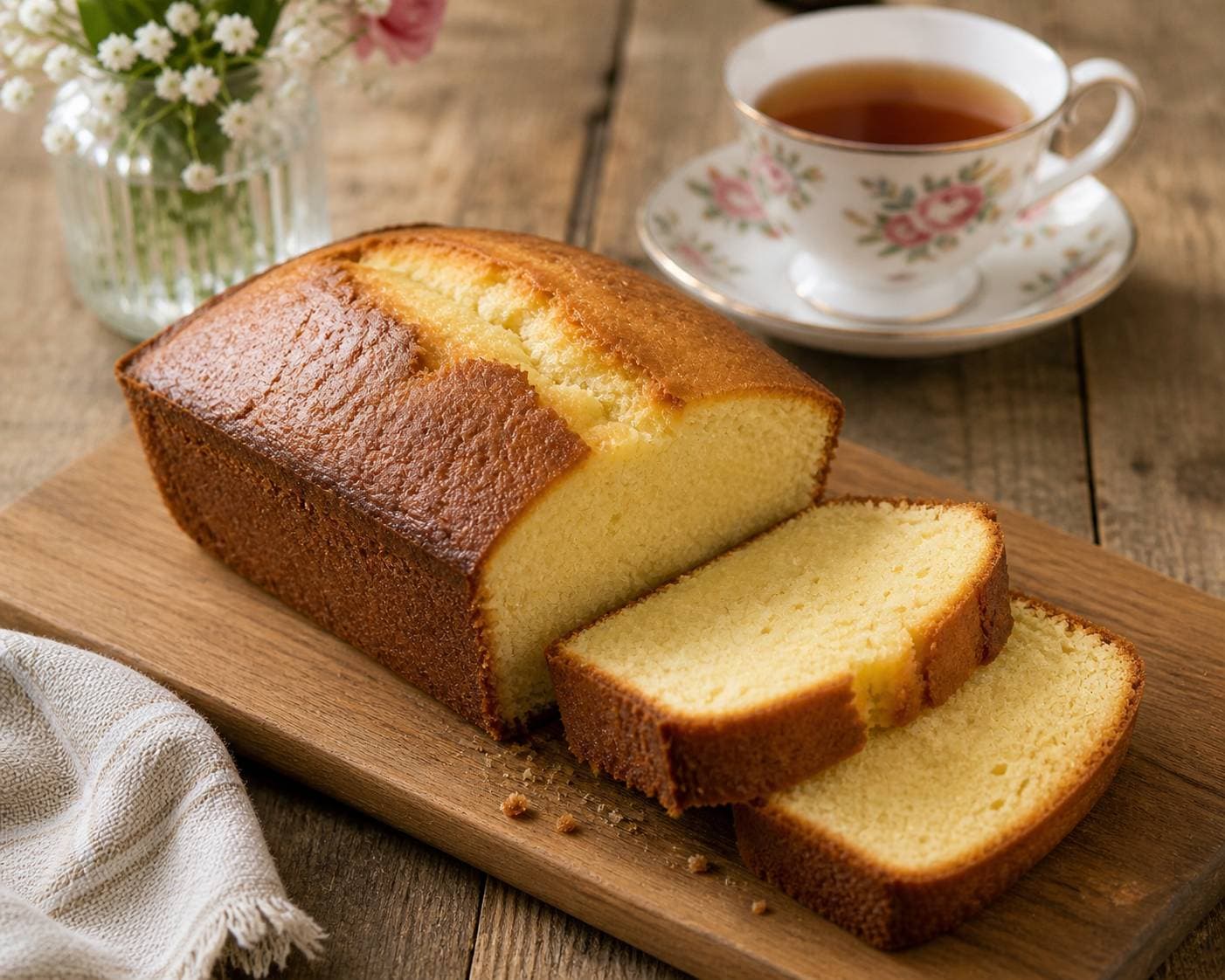
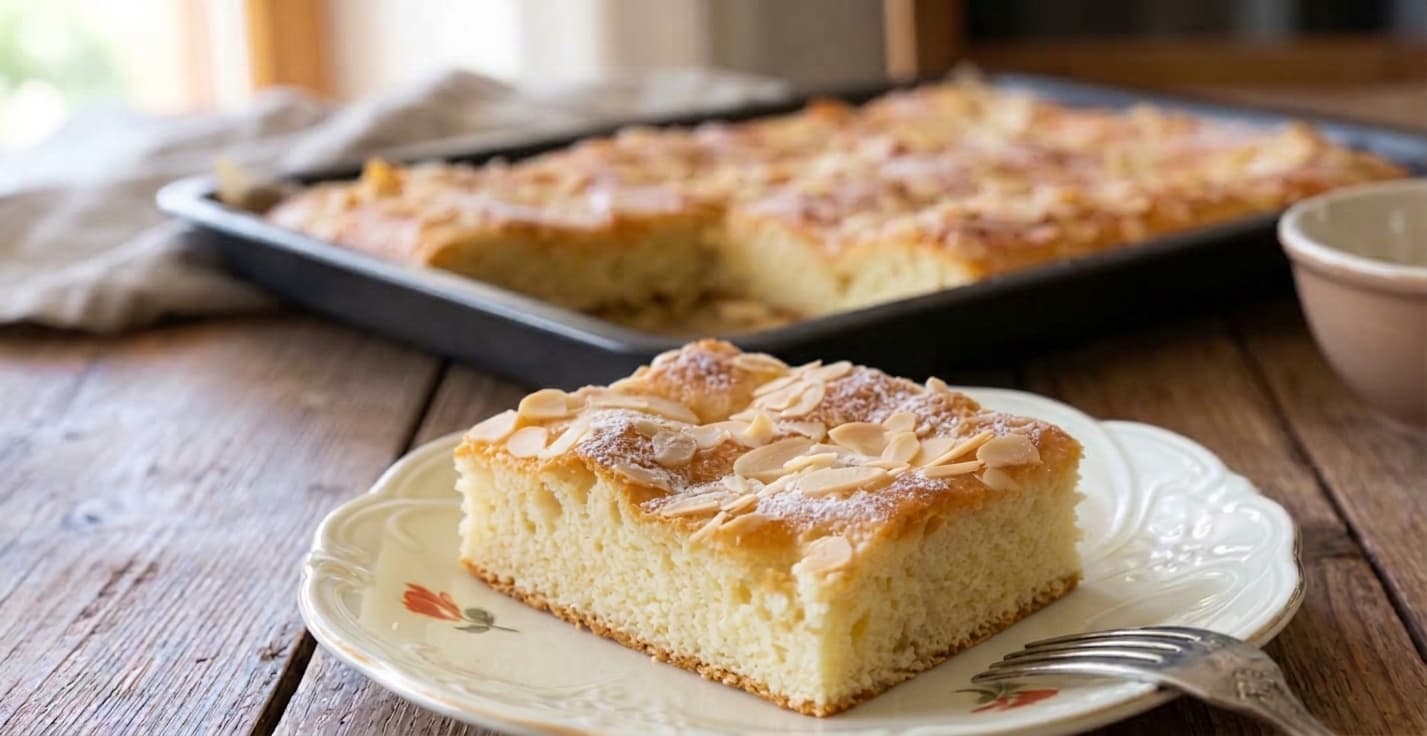
Classic butter cake recipe with a soft, moist crumb. Easy to make, rich in flavour, and improves overnight for the perfect slice.
This classic butter cake recipe produces a soft, moist crumb with rich flavour that improves over time. Made using the creaming method, it holds moisture well and becomes even more cohesive after resting overnight. If you are looking for a reliable, easy butter cake that stays moist and slices beautifully, this is a dependable choice for both everyday baking and serving ahead. For a deeper look at why resting improves texture and flavour, read more in Why Some Cakes Taste Better the Next Day.
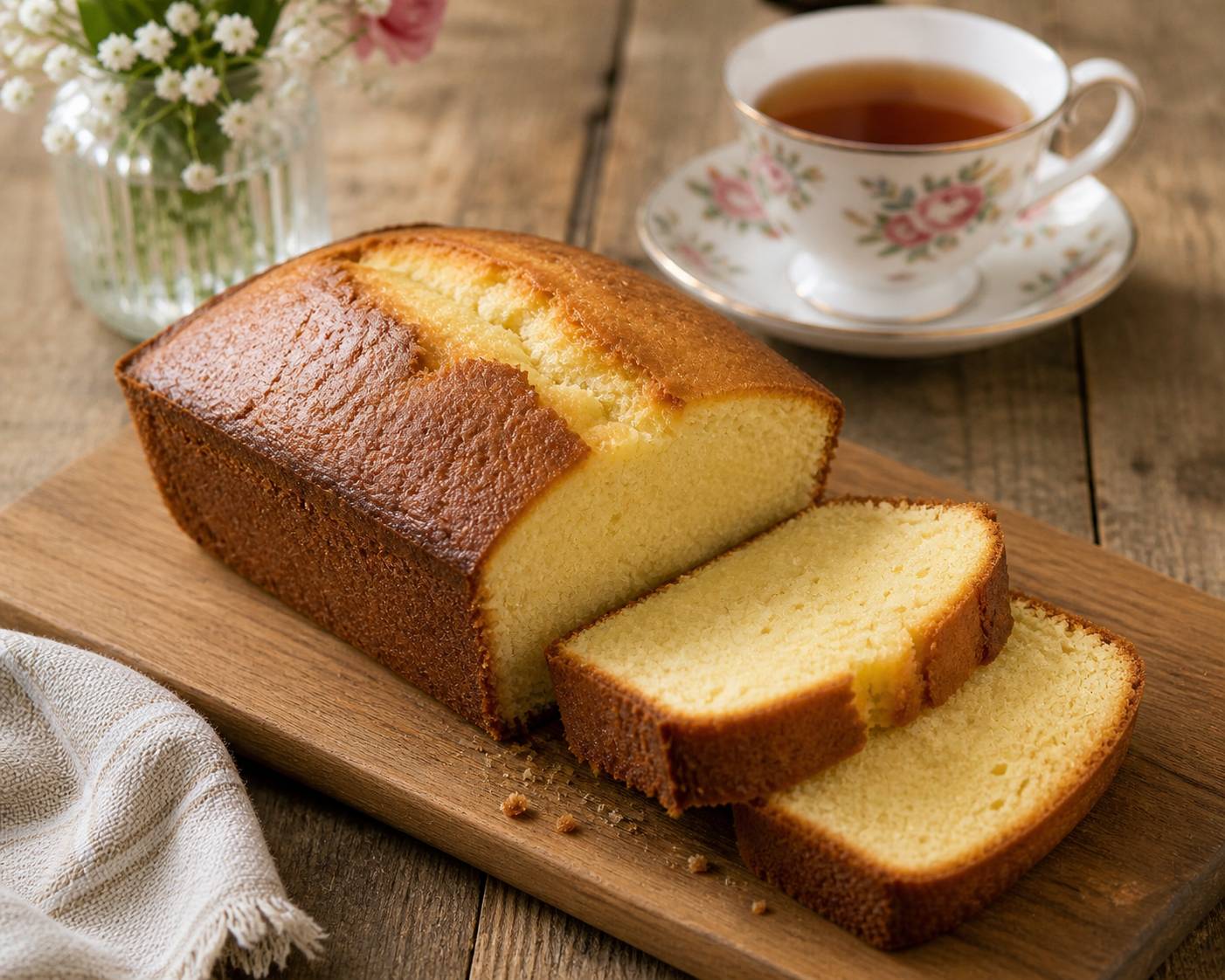
Butter loaf the next day, with a softer crumb and deeper flavour.
RECOMMENDED TOOLS & TIPS
A well-made butter cake depends less on complexity and more on precision. The right tools — and how you use them — make the difference between a dense loaf and one with a fine, even crumb that improves beautifully the next day.
Stand or Hand Mixer (with Paddle Attachment)
Creaming the butter and sugar properly forms the foundation of this cake. Beat on medium speed for 3–5 minutes, until the mixture turns pale and fluffy. This process incorporates air, helping the cake rise evenly and develop a fine crumb. If the mixture appears greasy or dense, it needs more time. Scrape down the sides and base of the bowl once or twice to ensure everything is evenly incorporated, as butter often collects at the bottom.
I use my KitchenAid Stand Mixer for this step, as it delivers consistent results and handles the creaming smoothly without overworking the batter. A Hand Mixer works equally well, especially for smaller batches or quicker preparation.
Digital Kitchen Scale Accuracy matters more than you might expect. Measuring flour by volume can easily add too much, resulting in a dry or heavy cake. Weighing ingredients ensures consistency and helps maintain the correct balance between fat, sugar, and flour. This is particularly important for butter cakes, where small deviations affect texture.
Room Temperature Ingredients Use good-quality butter for the best flavour and texture — ideally with at least 82% fat, made from simple ingredients (just cream), and with a clean, creamy aroma. A simple rule: if it smells good and tastes good on its own, it will perform well in your cake. I like using Kerrygold Pure Irish Butter, and I don’t mind it being salted as it adds a subtle depth of flavour.
The butter should be soft enough to press with a finger but not oily or melting. Eggs should be at room temperature to prevent the batter from curdling when mixed. Milk does not need to be strictly at room temperature, but avoid using it straight from the fridge, as very cold liquid can cause the batter to split. If the batter looks curdled after adding the eggs, it usually means the ingredients were too cold. A stable, smooth batter leads to a finer crumb.
Sifting Flour and Leavening Sift the flour together with baking powder and salt before adding it to the batter. This removes lumps and distributes the leavening evenly, helping the cake rise evenly and prevents pockets of uneven texture. It also lightens the flour slightly, which contributes to a softer texture. I usually use a Hand-Crank Flour Sifter for ease and consistency, although an Extra Fine Mesh Strainer works just as well.
Mixing Technique (Do Not Overmix) Once the flour is added, mix on low speed and stop as soon as the batter comes together. Overmixing develops gluten, which can make the cake dense and slightly tough. It can also lead to a heavier crumb that feels slightly damp or compact, especially towards the base. A properly mixed batter should look smooth and thick, but not overly glossy or elastic.
Loaf Tin (Light-Coloured Metal Preferred) A light-coloured metal tin promotes even heat distribution and prevents the sides from browning too quickly. Dark tins absorb more heat and can lead to a thick crust before the centre is fully baked. Always grease and lightly flour the tin or line it with parchment to ensure easy release. I like using a 9×4 inch Pullman Loaf Pan for this bake. Its fitted lid also allows me to bake neat square-sided sandwich loaves, making it an especially versatile addition to my kitchen.
Even Batter Distribution After transferring the batter into the tin, level the surface gently. You can tap the tin lightly on the counter once or twice to remove large air pockets, but avoid excessive tapping, which can deflate the batter.
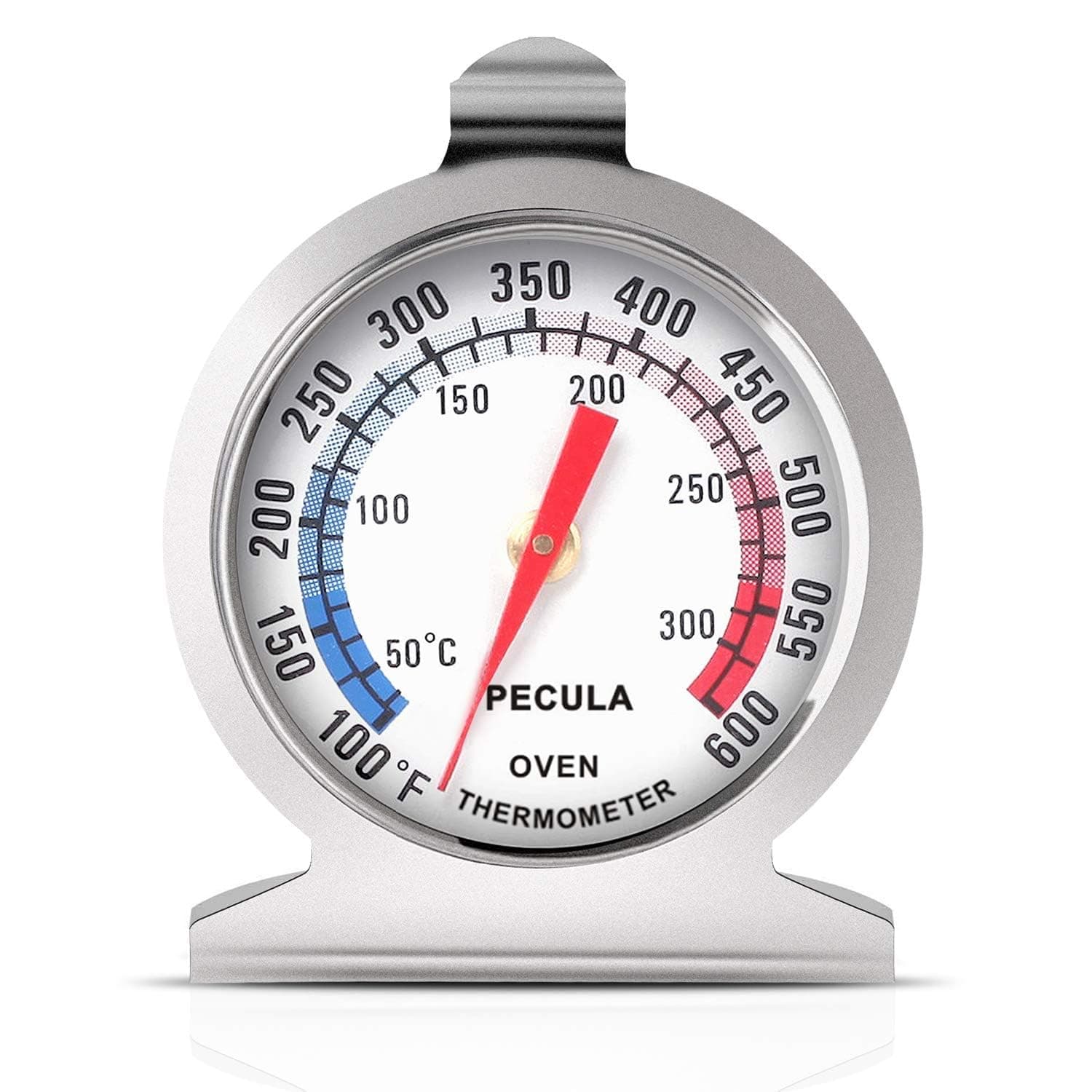
Oven Position and Temperature Control Bake the cake in the centre of the oven for even heat circulation. Avoid opening the oven door during the first 30 minutes, as this can cause the cake to sink. If your oven runs hot, consider using an Oven Thermometer — small temperature differences can affect the final texture.
Testing for Doneness Insert a Cake Tester or skewer into the centre of the cake; it should come out clean or with a few soft crumbs. The cake should also spring back lightly when pressed. Overbaking will dry out the crumb, which reduces the benefit of resting the cake overnight.
Cooling and Resting (Key Step for This Recipe) Allow the cake to cool in the tin for about 10 minutes before transferring it to a Cooling Rack. Once completely cool, wrap it tightly in cling film or store it in an airtight container. Resting the cake overnight allows moisture to redistribute and flavours to develop, resulting in a softer, more cohesive crumb the next day.
Preheat the oven to 170°C (fan) or 180°C (conventional). Line a 20cm loaf tin or lightly grease and flour it.
4
Using a stand or hand mixer with a paddle attachment, cream the butter and sugar until pale, light, and fluffy, about 3–5 minutes.
5
Add the eggs one at a time, beating well after each addition. Scrape down the bowl to keep the mixture smooth.
6
In a separate bowl, sift together the flour, baking powder, and salt.
7
Add the dry ingredients to the butter mixture in three additions, alternating with the milk. Begin and end with the flour. Mix on low speed just until combined.
8
Stir in the vanilla extract. Do not overmix.
9
Transfer the batter into the prepared tin and level the surface gently.
10
Bake for 45–55 minutes, or until a skewer inserted into the centre comes out clean.
11
Remove from the oven and allow the cake to cool in the tin for 10 minutes, then transfer to a rack to cool completely.