Around the World in 80 Bakes: Stop #54 — Cheesecake
Cheesecake is one of the world’s oldest desserts, with a history stretching back more than 2,000 years. While many people associate it with New York, its story began long before cream cheese, springform tins or even modern ovens existed. From the athletic competitions of Ancient Greece to Roman feasts, medieval Europe and American diners, cheesecake has continually adapted while remaining a much-loved dessert.
Today, countless versions exist, from rich baked cheesecakes to light no-bake varieties, each reflecting the ingredients and traditions of different cultures.
The Birth of Cheesecake in Ancient Greece
Most food historians believe cheesecake originated in Ancient Greece, where simple cakes made from fresh cheese, wheat flour and honey were enjoyed as both everyday food and festive fare.
Cheese was already an important part of the Greek diet, while honey served as the primary sweetener centuries before refined sugar became widely available. These early cheesecakes were nourishing, portable and relatively simple compared with the rich desserts we know today.
Some historians also believe cheese cakes were served to athletes during the ancient Olympic Games, which began in 776 BC. Although direct evidence is limited, later historical writings describe cheese-based cakes as a source of energy, making this theory plausible.
The Oldest Cheesecake Recipes
Although cheesecake is believed to have originated in Ancient Greece, the oldest surviving cheesecake recipes come from Ancient Rome.
The earliest complete recipes appear in De Agri Cultura, written around 160 BC by the Roman statesman Cato the Elder. His book contains several cheese-based cakes, including libum, savillum and placenta.
Of these, savillum is often considered the closest to a modern cheesecake. It combines fresh cheese, flour, eggs and honey before being baked, producing a rich, sweet cheese cake that shares many characteristics with today’s baked cheesecakes.
Another recipe, libum, was made from fresh cheese and flour, shaped into a small cake and baked on bay leaves. Although it was commonly prepared as a religious offering to household gods, it was also eaten as food.
The Lost Greek Cheesecake Recipes
While the oldest surviving recipes are Roman, historical evidence suggests the Greeks had been making cheesecake much earlier.
The Greek physician Aegimus is believed to have written an entire book devoted to the art of making cheesecakes. Unfortunately, this work has been lost, and no complete Greek cheesecake recipes have survived.
Later Greek writers, including Athenaeus of Naucratis, quoted earlier authors describing cheese cakes made with fresh cheese and honey, providing further evidence that cheesecake was already a well-established part of Greek cuisine long before Cato recorded his Roman recipes.
How the Romans Spread Cheesecake Across Europe
As the Roman Empire expanded, it adopted many elements of Greek cuisine, including cheesecake.
Roman soldiers, settlers and traders carried cheese cake recipes throughout Europe, where local communities adapted them using regional cheeses, grains and flavourings. Over time, these recipes evolved into the many distinctive cheesecakes found across the continent.
This marked the beginning of cheesecake’s long journey from a simple Greek cheese cake to one of the world’s favourite desserts.
Cheesecake During the Middle Ages
Following the fall of the Roman Empire, cheesecake continued to evolve throughout medieval Europe.
Recipes appeared in England, France, Germany and Italy, each reflecting local ingredients. Cottage cheese, curd cheese and soft fresh cheeses became common bases, while spices such as cinnamon, nutmeg and cloves were gradually added as international trade expanded.
Medieval cheesecakes were often less sweet than modern versions and were sometimes served as part of the main meal rather than solely as dessert.
As ovens became more common in households and bakeries, baked cheesecakes also became increasingly refined.
Cheesecake in Britain
Cheesecake has been enjoyed in Britain for centuries.
One of the earliest English recipe collections, The Forme of Cury, compiled around 1390 by the cooks of King Richard II, contains recipes for cheese-based tarts that share similarities with early cheesecakes.
By the 17th and 18th centuries, British cookbooks featured numerous cheesecake recipes using curd cheese, cream, butter, eggs, sugar and spices. Many were baked in pastry cases and flavoured with ingredients such as rosewater, lemon peel or currants.
These recipes laid the foundation for many traditional British cheesecakes still enjoyed today.
The Invention of Cream Cheese Changed Everything
Modern cheesecake owes much of its character to the accidental invention of cream cheese in the United States.
In 1872, American dairyman William Lawrence of New York attempted to recreate the French cheese Neufchâtel. Instead, he accidentally developed a richer, creamier fresh cheese that became known as cream cheese.
A few years later, the product was marketed under the Philadelphia brand, despite never being produced in Philadelphia itself. The city was associated with high-quality dairy products at the time, making the name an attractive marketing choice.
Cream cheese gave cheesecake its distinctive smooth texture and rich flavour, helping create the style that would become famous worldwide.
The Rise of New York Cheesecake
New York–style cheesecake emerged during the early decades of the 20th century as cream cheese became more widely available.
Restaurants, Jewish dairy establishments and delicatessens helped make rich baked cheesecake part of the city’s food culture. Restaurateur Arnold Reuben is often credited with developing an influential version, although New York cheesecake cannot be traced to an single inventor.
Its dense yet creamy texture distinguished it from earlier European cheesecakes, which were typically made with curd cheese, cottage cheese or quark.
Today, New York cheesecake remains one of the world’s most recognisable dessert styles.
Cheesecake Around the World
Over the centuries, cheesecake has evolved into countless regional variations, each reflecting local ingredients, traditions and tastes.
In Italy, cheesecakes are often made with ricotta, producing a lighter, more delicate texture than American cream cheese versions. Some modern Italian recipes also use mascarpone for a richer filling.
German Käsekuchen is traditionally made with quark, giving it a distinctive tangy flavour and light texture.
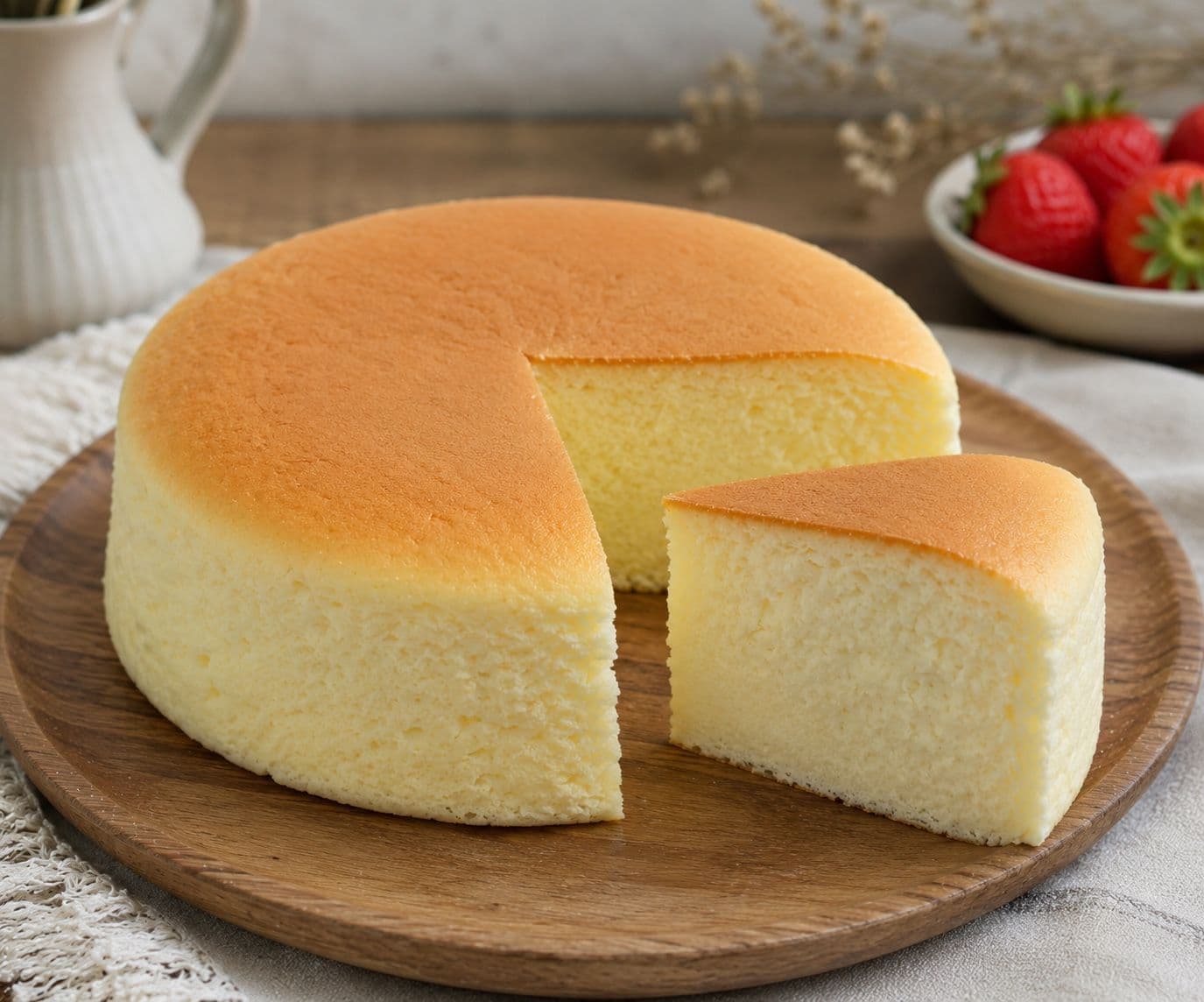
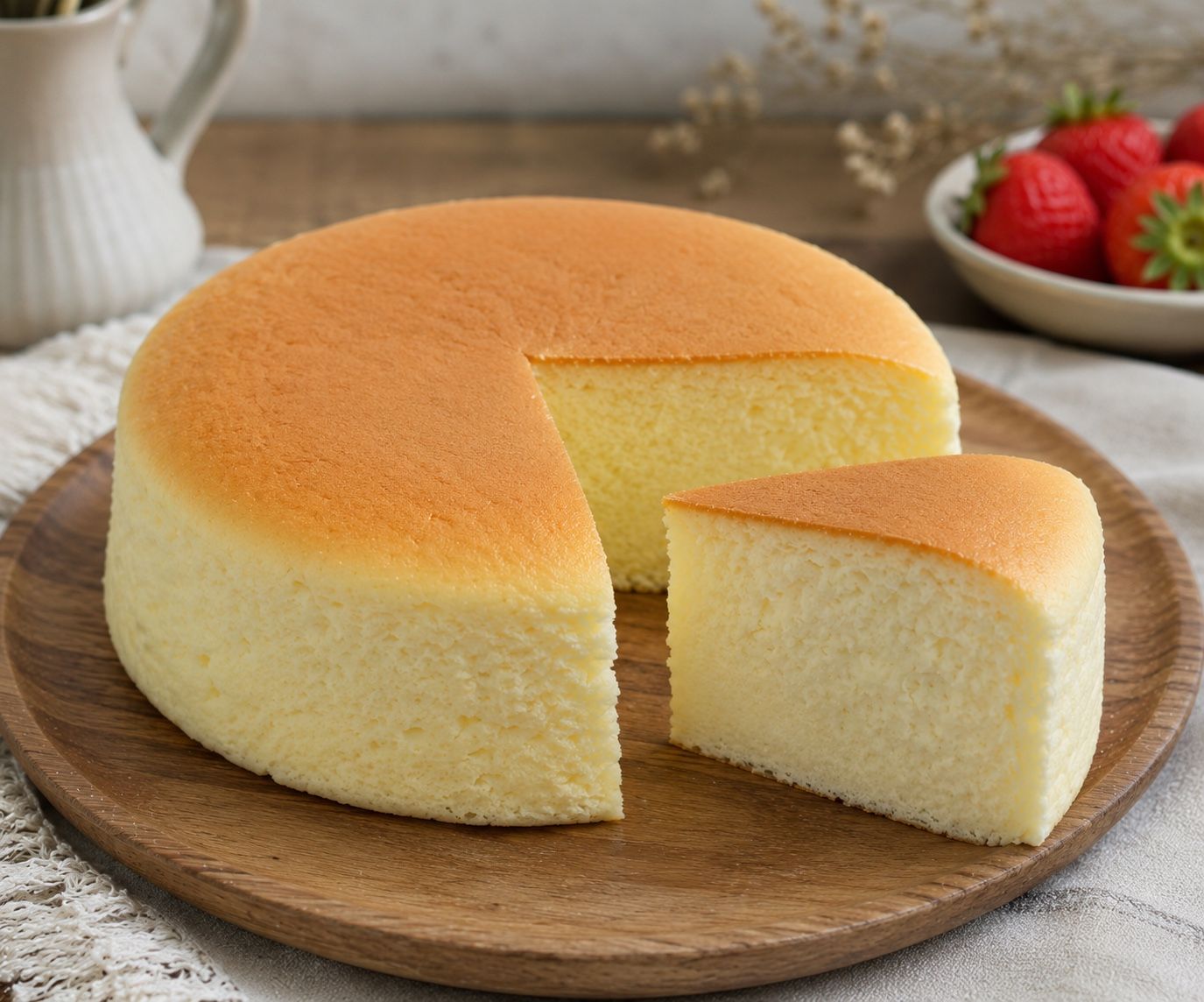
Japanese soufflé cheesecake, developed in the late 20th century, combines cream cheese with whipped egg whites to create its famously light, airy texture. It is believed to have been inspired by German cheesecake after Japanese baker Tomotaro Kuzuno visited Berlin in the 1960s.
Basque burnt cheesecake was created around 1990 at La Viña restaurant in San Sebastián, Spain. Baked at a very high temperature without a separate crust, it is known for its deeply caramelised surface and soft, creamy centre.
No-bake cheesecakes have also become popular around the world, relying on refrigeration rather than baking to set their smooth, creamy filling.
From rustic cheese tarts to elegant baked desserts, cheesecake continues to evolve while remaining one of the world’s most versatile and beloved sweets.
Why Cheesecake Remains So Popular
Few desserts have adapted as successfully across different cultures as cheesecake.
Its basic concept is remarkably simple: combining fresh cheese with other ingredients to create a delicious sweet dessert. Yet this simplicity allows endless variation through different cheeses, crusts, fruits, chocolates, spices and baking techniques.
Whether enjoyed as a rustic honey-sweetened cake in Ancient Greece or a luxurious New York slice topped with berries, cheesecake continues to connect people through a shared love of comforting, creamy desserts.
A Dessert with More Than Two Millennia of History
Although New York cheesecake may be the most famous version today, its roots reach back to Ancient Greece over 2,000 years ago. While the oldest surviving recipes were preserved by the Romans, the dessert itself almost certainly began in Greece before spreading throughout Europe and eventually to America.
Its remarkable journey is one reason cheesecake remains one of the world’s favourite desserts — a timeless classic that continues to inspire bakers everywhere.
Bring cheesecake’s long history into your own kitchen with our Japanese soufflé cheesecake recipe, known for its wonderfully light, airy texture.
References: Cato. De Agri Cultura (c. 160 BC); Athenaeus. Deipnosophistae; Alan Davidson. The Oxford Companion to Food. Oxford University Press; Harold McGee. On Food and Cooking: The Science and Lore of the Kitchen; Encyclopaedia Britannica; The Forme of Cury (c. 1390).