Nuts & Seeds for Baking
Adding texture, flavour, and nutrition — how to choose, prepare, and use nuts and seeds in baking.
Nuts and seeds add crunch, flavour, and healthy fats to baked goods. Toasting intensifies their flavour by activating aromatic compounds. Nut flours like almond flour and hazelnut meal are the foundation of gluten-free and low-carb baking. Proper storage prevents the natural oils from turning rancid, which would add bitterness to your bakes.
Heritage & History
Nuts have featured in baking since antiquity — almonds in marzipan date back to the Arab world's influence on medieval European confectionery, while walnuts and hazelnuts were staples in rural European baking long before imported ingredients were available. Almond flour-based cakes (like the French financier and Italian torta di mandorle) represent some of the oldest baking traditions still common today.
Types of Nuts & Seeds
Almonds
Versatile in whole, sliced, flaked, and ground (almond flour) forms. Mild flavour suits both sweet and savoury bakes.
Walnuts & Pecans
Rich, earthy flavour with slight bitterness. Classic in brownies, banana bread, and coffee cakes. Toast to mellow bitterness.
Hazelnuts
Sweet, distinctive flavour. Pair brilliantly with chocolate. Used ground in praline, Nutella-style fillings, and dacquoise.
Seeds (Poppy, Sesame, Sunflower)
Poppy seeds are classic in Eastern European sweet rolls; sesame in Middle Eastern bakes; sunflower seeds in bread loaves.
Essential Tips
Toast nuts at 350°F / 180°C for 8–10 minutes, stirring once, to enhance flavour
Store nuts in an airtight container in the freezer for up to 1 year to prevent rancidity
Nut flours cannot directly replace wheat flour without significant recipe reformulation
Chop nuts by hand for better texture control than a food processor
Substitutions
Almond flour for wheat flour: cannot substitute 1:1 (no gluten, very moist) — use dedicated almond flour recipes
Walnuts for pecans: interchangeable in most recipes; pecans are sweeter and less bitter
Nut-free: omit nuts and reduce liquid slightly, or replace with chocolate chips or dried fruit for texture
Common Questions About Nuts & Seeds
Why should I toast nuts before adding them to baking?
Toasting activates the Maillard reaction in nut proteins and drives off moisture, concentrating and intensifying aromatic flavour compounds. Raw nuts in baked goods can taste flat compared to toasted ones. A light 8–10 minutes at 350°F / 180°C in a dry oven — watching carefully and shaking once — is usually enough. Cool completely before using.
How do I prevent nuts from sinking to the bottom of cakes or muffins?
Toss nuts in 1 tablespoon of flour before folding into the batter. The flour coating helps them grip the surrounding batter and slows their descent during baking. Also ensure your batter is not too thin — a thicker batter holds inclusions in suspension better during the first minutes of baking before the structure sets.
How long do nuts keep and how should I store them?
Whole nuts in their shells keep longest — up to 1 year in a cool, dry place. Shelled nuts last 3–6 months at room temperature in an airtight container, or up to 1 year in the freezer. Nut flours are more perishable and should be stored in the fridge (1–2 months) or freezer (6 months). Always smell nuts before using — rancid nuts have a distinctly sour, bitter odour.
Is almond flour the same as ground almonds?
Not exactly. Almond flour is made from blanched (skin-removed) almonds that are finely ground to a consistent texture. Ground almonds are typically coarser and may include the skin, giving a darker colour. Almond flour produces finer, more uniform results in macarons and delicate cakes. Ground almonds work well in denser cakes like financiers and tortes where texture is less critical.
Recipes with Nuts & Seeds
All recipes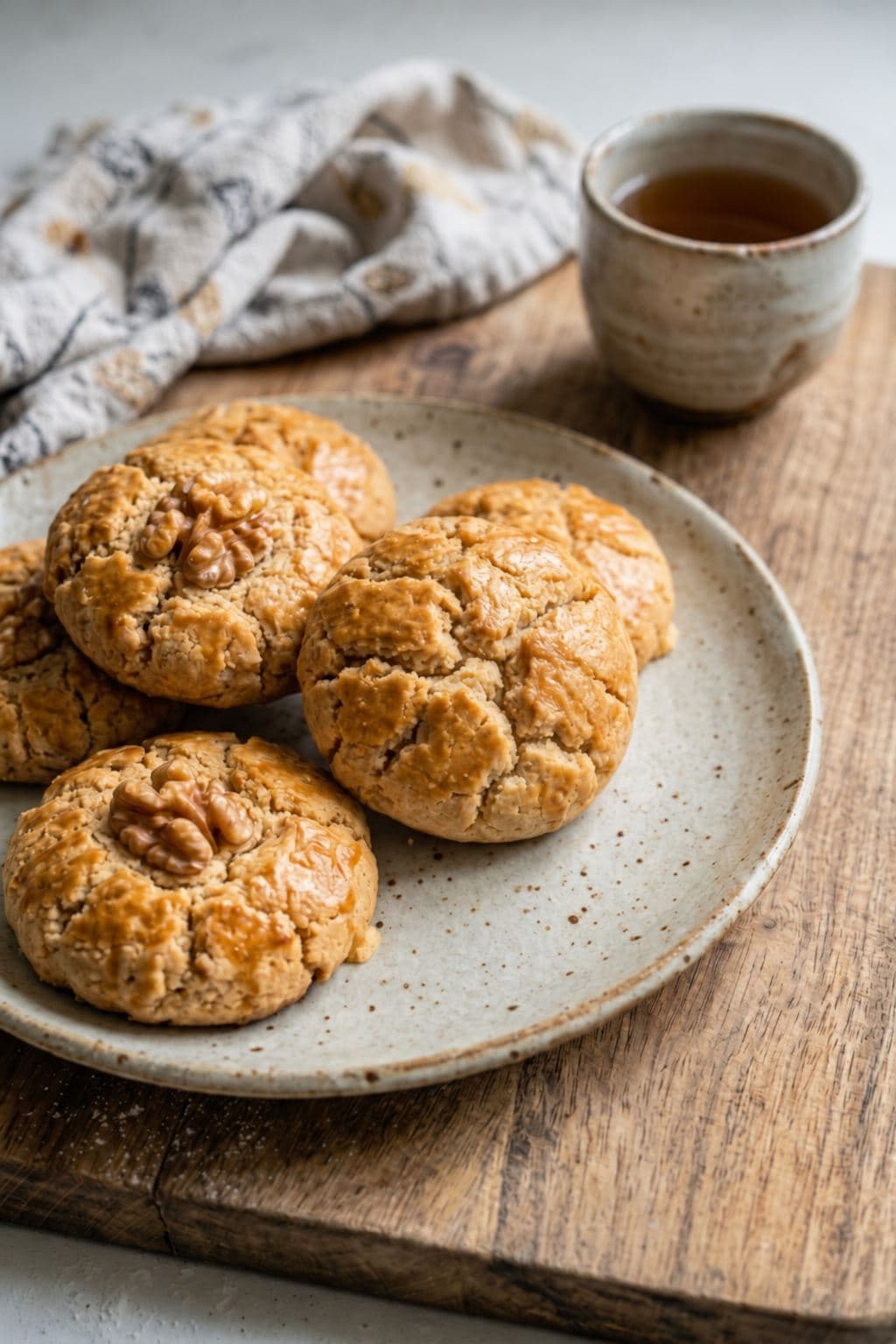
Hup Toh Soh: Chinese Walnut Biscuits
Bake hup toh soh, Chinese walnut biscuits, with toasted walnuts and butter. An easy recipe for golden biscuits with a crisp, crumbly bite.
25 minutes20 minutes (plus 8-10 minutes for toasting walnuts) min total
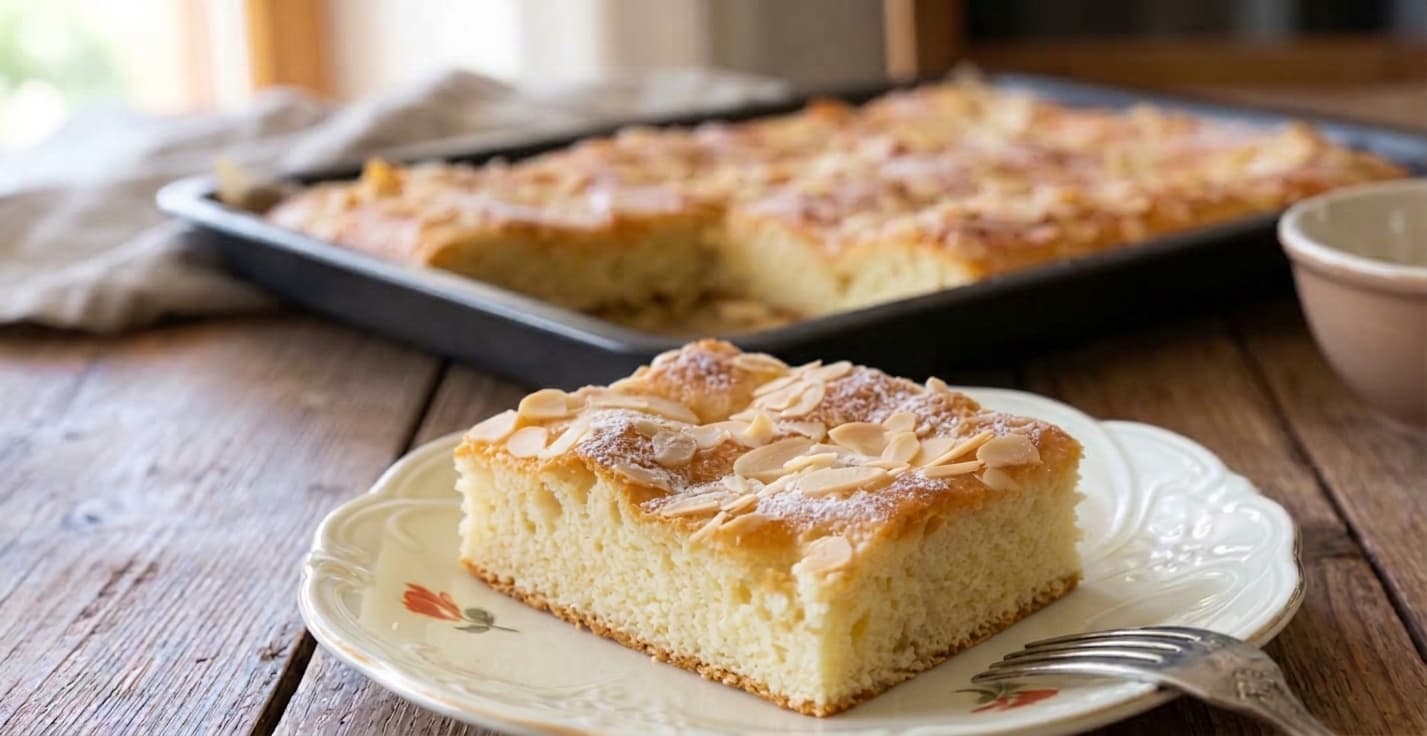
Traditional German Butterkuchen Recipe
Bake traditional German Butterkuchen with tender yeast dough, buttery dimples and a crisp almond-sugar topping. Perfect with coffee or tea.
25 minutes15-18 minutes (plus approximately 1 hour 20 minutes for proofing) min total
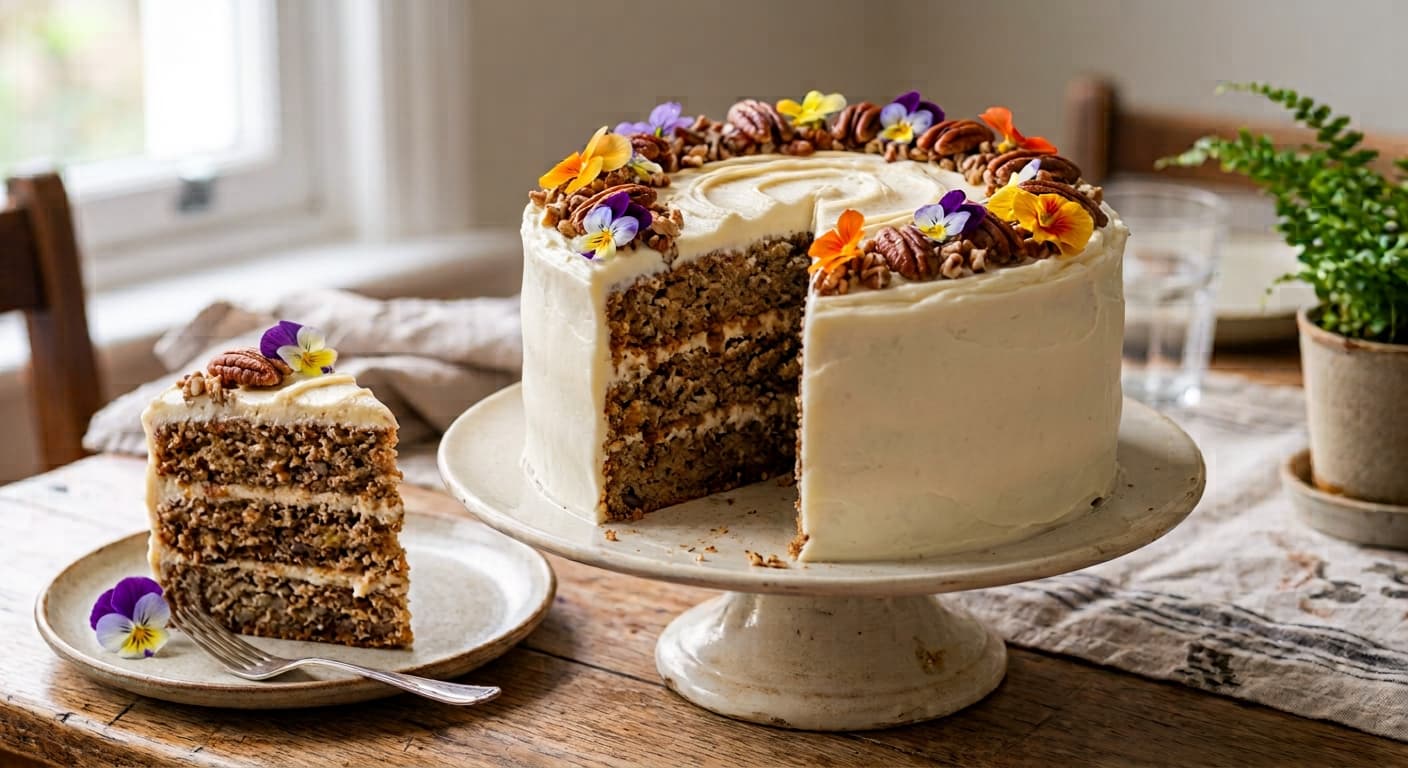
Hummingbird Cake Recipe
Bake a moist three-layer hummingbird cake with banana, pineapple, pecans, cream cheese frosting and colourful edible flowers.
45 minutes26-30 minutes (plus 2hrs cooling & chilling time) min total
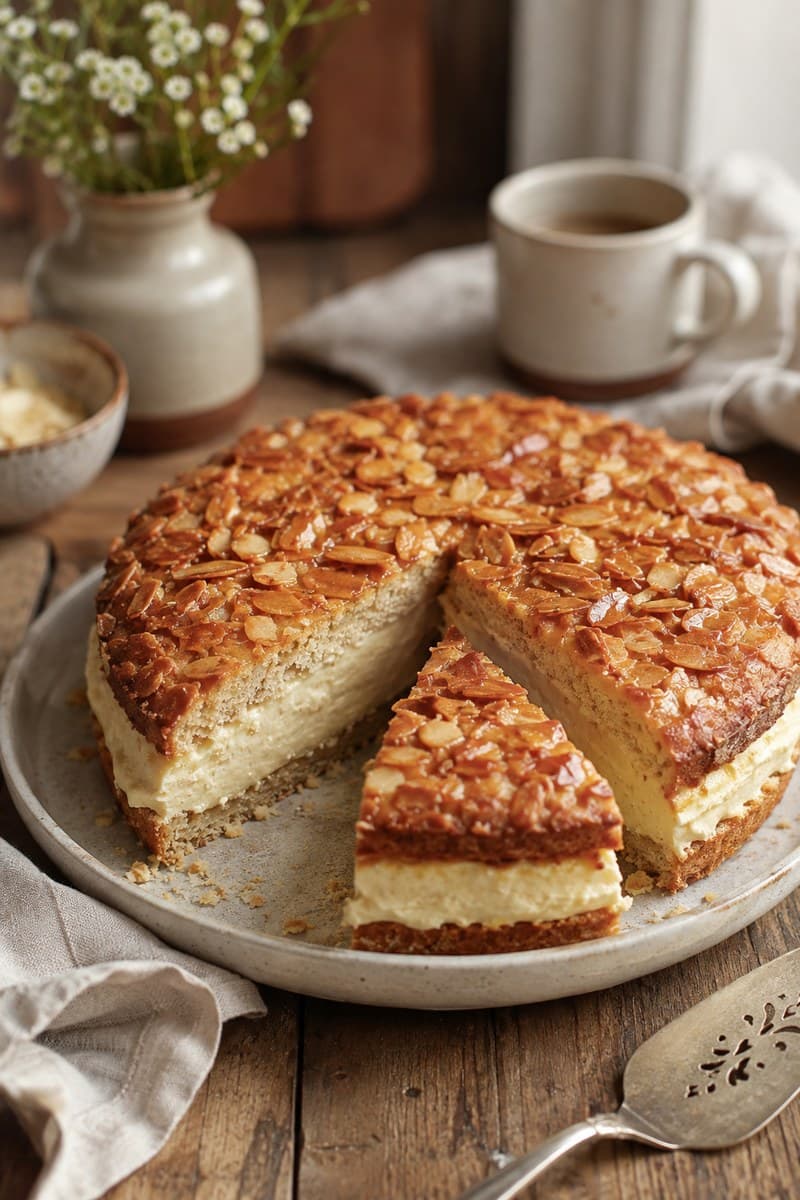
Bee Sting Cake Recipe
Make traditional German Bee Sting Cake with soft yeast dough, caramelised honey almonds and a light vanilla cream filling.
40 minutes, plus rising, cooling and chilling25-30 minutes min total
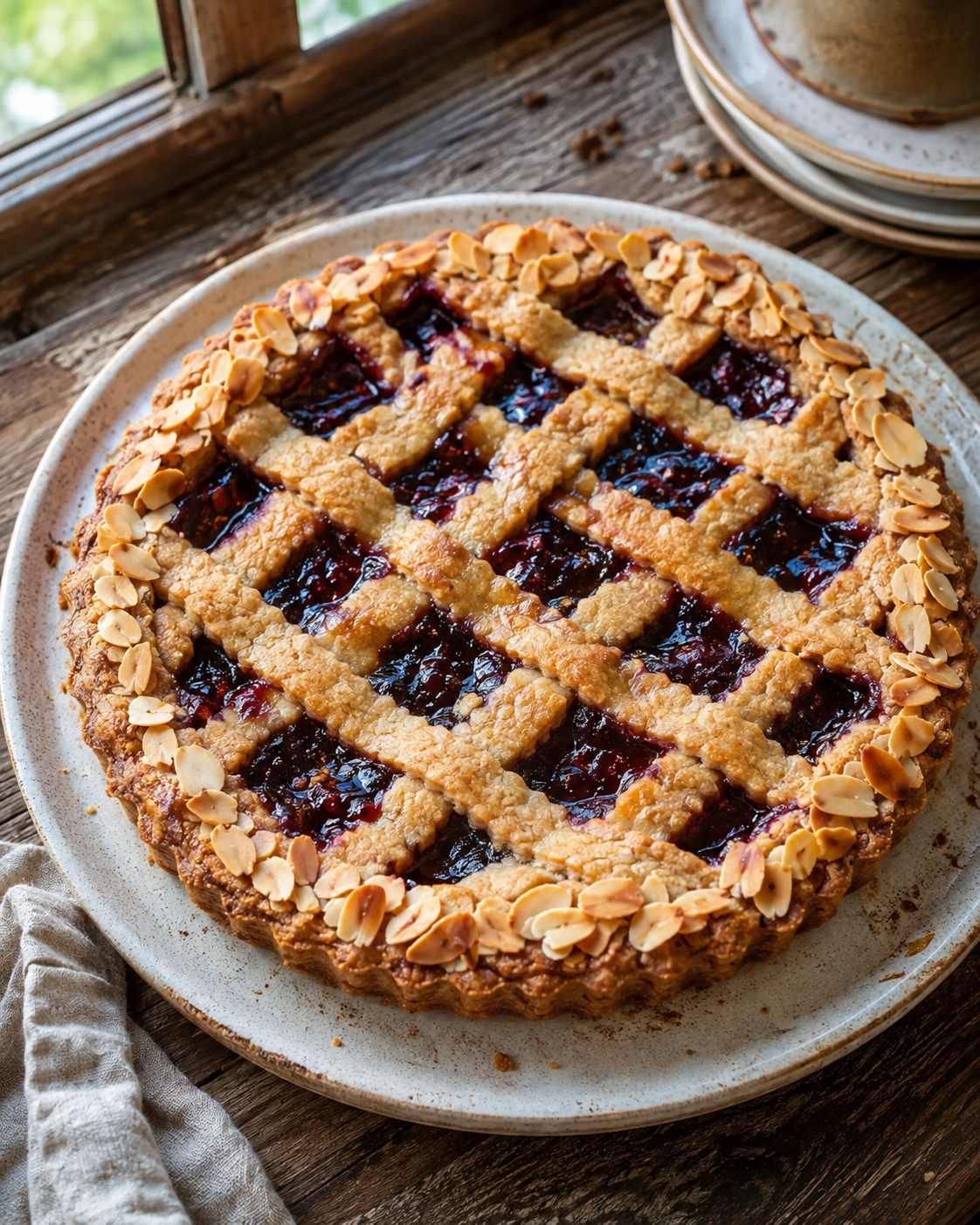
Traditional Linzer Torte Recipe
Bake a traditional Linzer Torte with buttery hazelnut pastry, redcurrant jam and a classic lattice top. Includes tips for the best texture.
35 minutes, plus chilling45-50 minutes min total
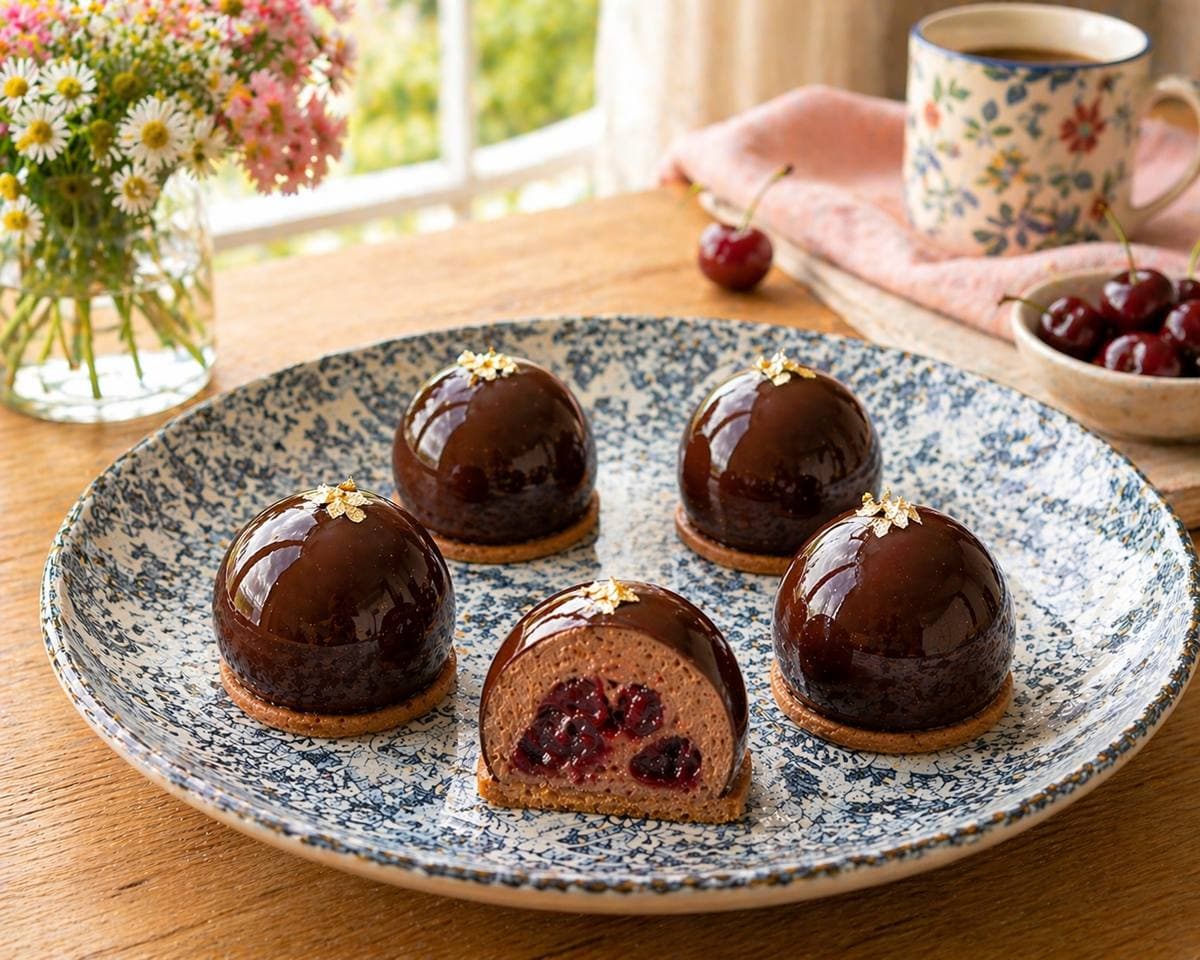
BLACK FOREST MINI ENTREMETS
Black Forest mini entremets with chocolate mousse, Griottines cherries and hazelnut crunch, finished with a glossy mirror glaze.
2 hours 30 minutes10–12 minutes (Chilling time: 4–6 hours) min total

Cranberry Pistachio Biscotti with Orange Zest Recipe
Festive cranberry pistachio biscotti recipe bursting with orange zest and Christmas colours. Crunchy, elegant, and ideal for gifting.
25 minutes45 minutes (total, in 2 rounds) min total
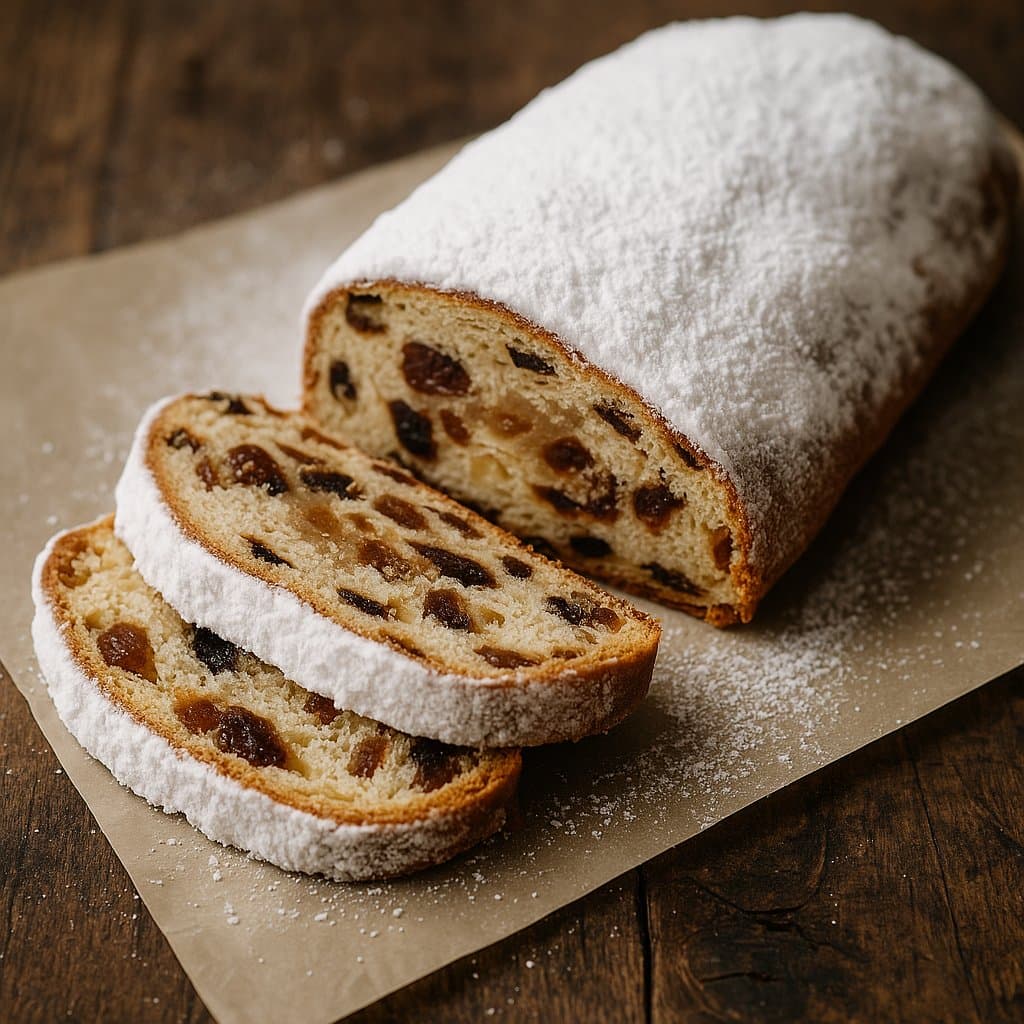
Stollen (German Christmas Bread) Recipe
Bake an authentic Stollen at home with this rich, buttery recipe filled with dried fruit, almonds, and optional marzipan. A classic German Christmas bread.
30 minutes (plus overnight soaking and rising time)45-50 minutes min total
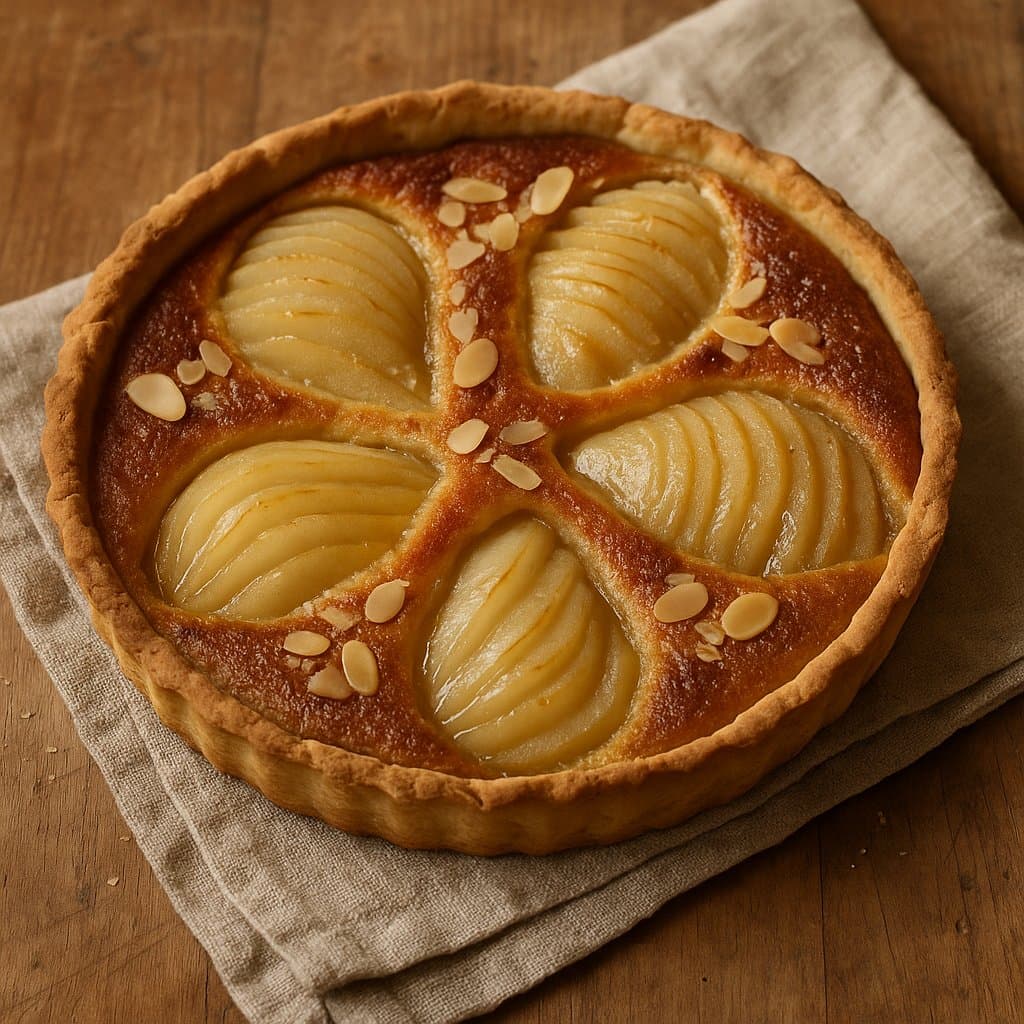
Tarte Bourdaloue (French Pear Frangipane Tart)
Bake this French pear and almond tart at home with our step-by-step Tarte Bourdaloue recipe. Enjoy the buttery crust, silky frangipane, and poached pears.
40 minutes (plus chilling time)40 minutes min total