Dairy in Baking
Milk, cream, buttermilk and their essential roles in flavour, texture, and tenderness.
Dairy adds moisture, fat, and flavour to baked goods while activating leavening agents and tenderising gluten. Buttermilk activates baking soda and creates tenderness through its acidity. Heavy cream adds richness, while whole milk provides liquid and some fat. Yoghurt and sour cream add tang and moisture. The fat content of dairy directly affects richness and shelf life of baked goods.
Heritage & History
Dairy has been used in baking across cultures for millennia. Buttermilk was historically a byproduct of butter-making and was a key ingredient in traditional quick breads and scones across Britain and Ireland before refined buttermilk became commercially available. Cream-rich French pâtisserie traditions established standards for using heavy cream in custards, ganaches, and laminated pastry that persist today.
Types of Dairy
Whole Milk
The standard liquid dairy in baking. Provides moisture and a small amount of fat and protein that enrich the crumb.
Buttermilk
Tangy, acidic, and thick. Activates baking soda, tenderises gluten, and adds characteristic flavour to pancakes, scones, and quick breads.
Heavy Cream / Double Cream
36–40% fat. Used for ganaches, whipped cream, and enriched custards. Must be cold to whip properly.
Sour Cream & Yoghurt
Acidic and thick like buttermilk. Add moisture and tang; interchangeable in most quick bread and cake recipes.
Essential Tips
Make buttermilk substitute: 1 cup milk + 1 tablespoon lemon juice, rest 5 minutes
Full-fat dairy always creates richer results than reduced-fat versions
Sour cream can substitute for buttermilk 1:1 in most recipes
Cream must be cold (below 40°F / 4°C) to whip successfully
Substitutions
Buttermilk substitute: 1 cup whole milk + 1 tablespoon lemon juice or white vinegar, let stand 5 minutes
Whole milk for buttermilk: works but omit acidic activation of baking soda — adjust leavening
Dairy-free: full-fat oat milk or soy milk are the best neutral substitutes; coconut cream for heavy cream
Common Questions About Dairy
What does buttermilk do in baking?
Buttermilk serves multiple roles: its acidity activates baking soda to produce lift; it tenderises gluten, resulting in a softer crumb; and it adds a subtle tangy flavour. It also reacts with pigments in cocoa powder (in red velvet cake, for example) to intensify colour. The thick, creamy consistency also adds moisture without making the batter too thin.
Can I use low-fat or skimmed milk instead of whole milk in baking?
Yes, though the results will be slightly less rich and flavourful. The fat in whole milk contributes to tenderness and a moist crumb. For most cakes and quick breads, reduced-fat milk works acceptably. In custards, creams, or ganaches where fat is essential to the structure, always use full-fat dairy.
Why does cream sometimes fail to whip?
Cream needs to be very cold (below 40°F / 4°C) and contain at least 35% fat to whip successfully. Common reasons it fails: the bowl and whisk aren't cold enough (chill them in the fridge first), the cream has been warmed or shaken, or it contains additives that stabilise it against whipping. Always use heavy whipping cream and keep everything cold.
What is the difference between sour cream and crème fraîche in baking?
Both are cultured, acidic dairy products, but crème fraîche has higher fat content (around 30–40%) compared to sour cream (around 20%). Crème fraîche is more stable when heated and won't curdle in warm sauces or batters. Sour cream is tangier and works well in cakes, muffins, and dips. They are largely interchangeable in baked goods, with crème fraîche giving a richer result.
Recipes with Dairy
All recipes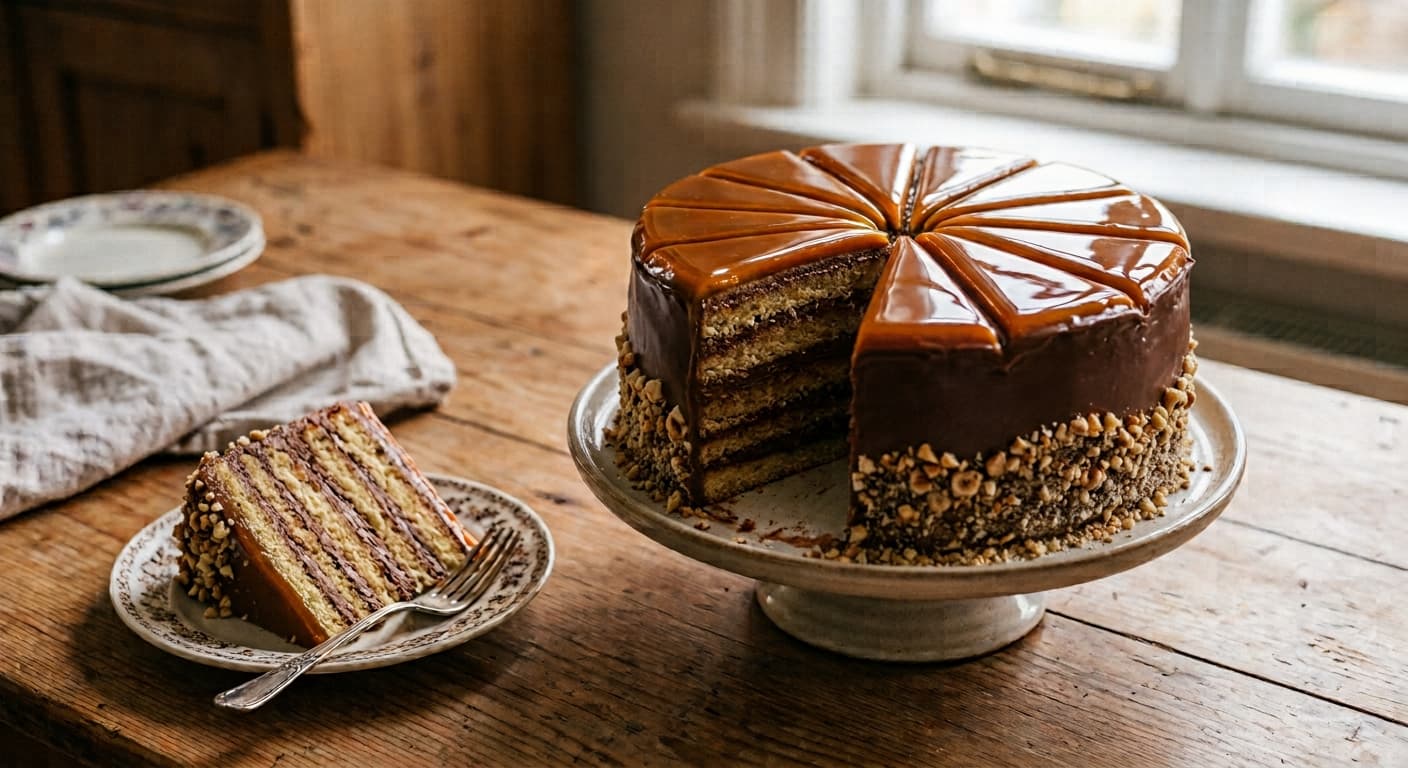
Dobos Torte Recipe: Hungary’s Chocolate & Caramel Layer Cake
Make classic Dobos torte with thin sponge layers, rich chocolate buttercream and a crisp caramel crown. A step-by-step Hungarian cake recipe.
Approximately 1½–2 hours, excluding baking, cooling and chillingApproximately 6–8 minutes per layer min total
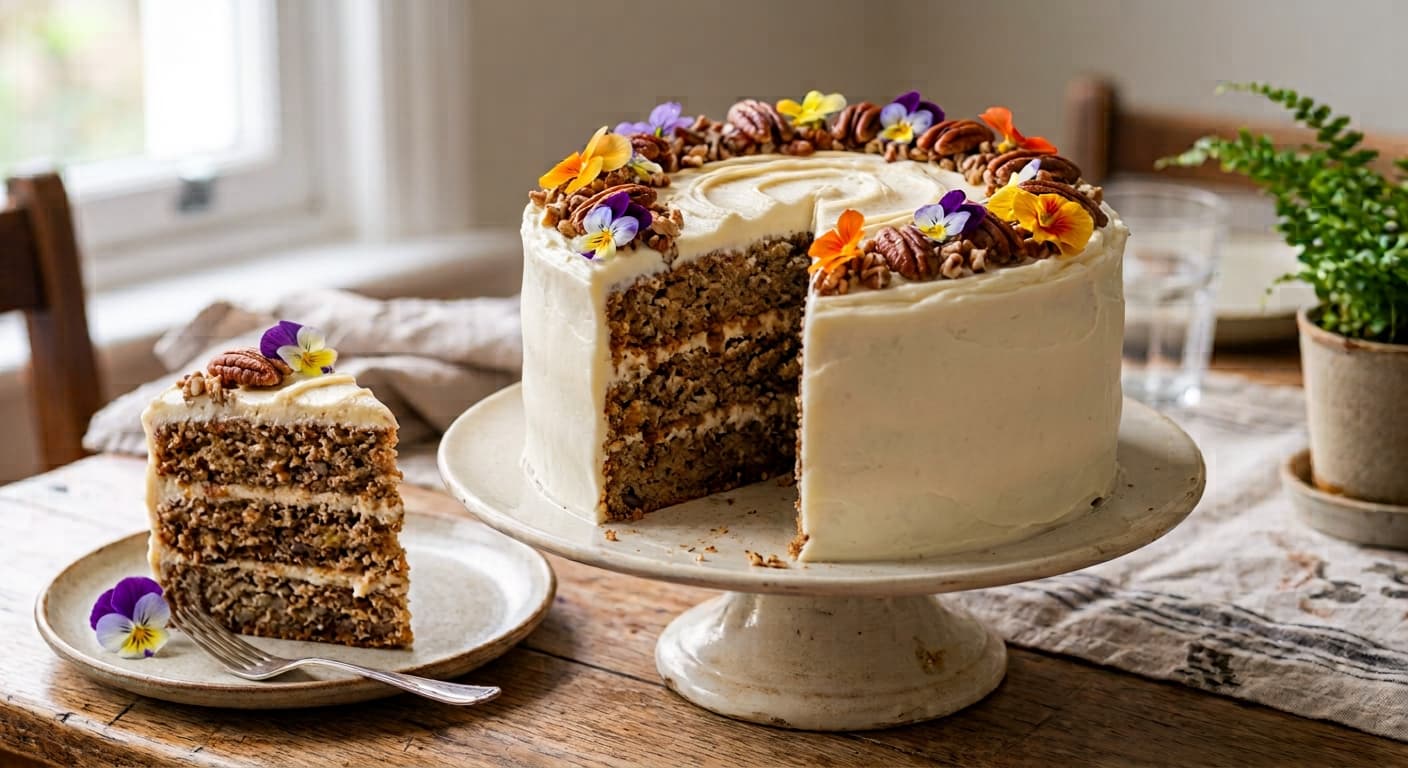
Hummingbird Cake Recipe
Bake a moist three-layer hummingbird cake with banana, pineapple, pecans, cream cheese frosting and colourful edible flowers.
45 minutes26-30 minutes (plus 2hrs cooling & chilling time) min total
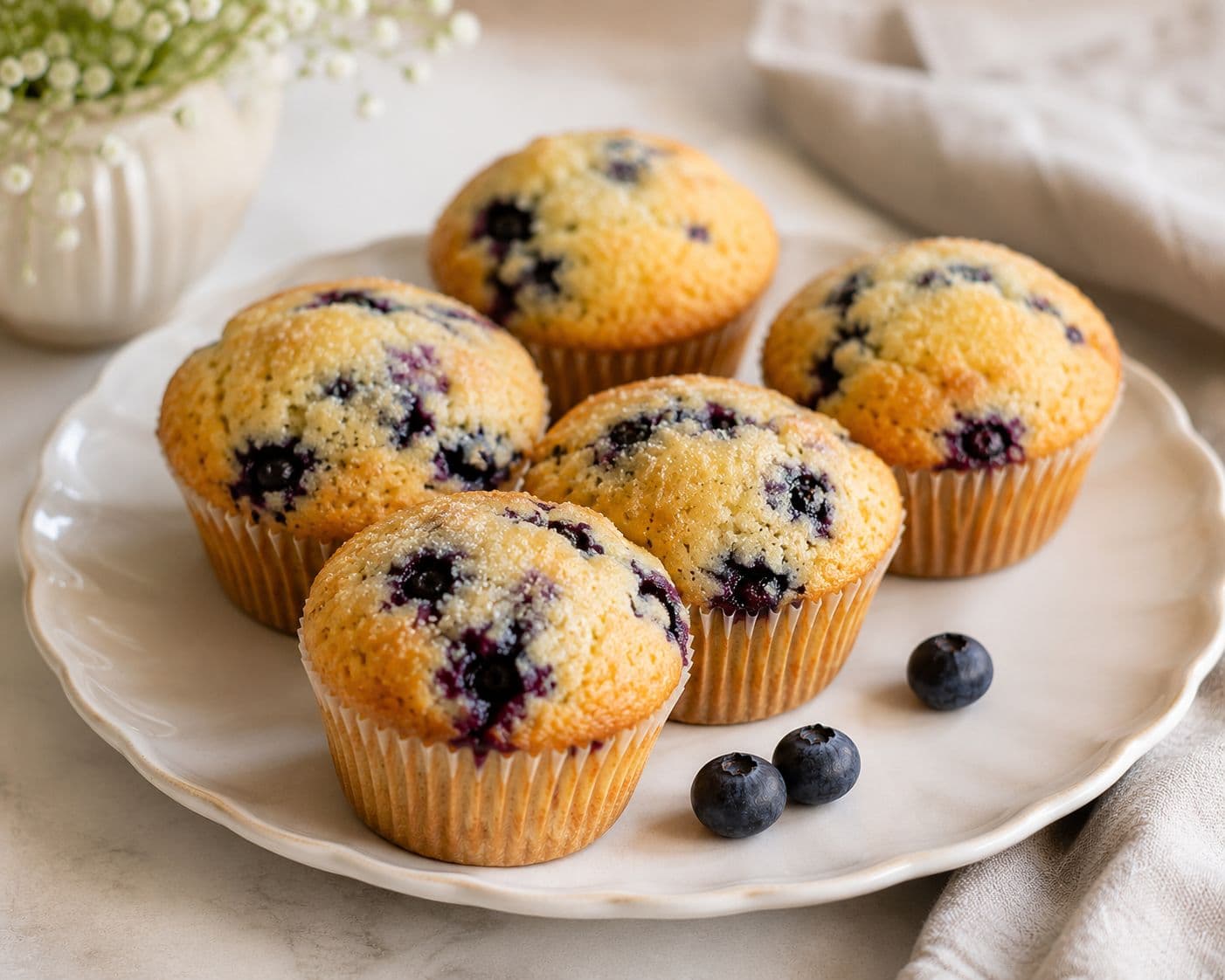
Blueberry Muffins Recipe
Learn how to make soft, bakery-style blueberry muffins with sour cream for a moist crumb and tall tops. Includes tips and troubleshooting.
20 minutes20-25 minutes min total
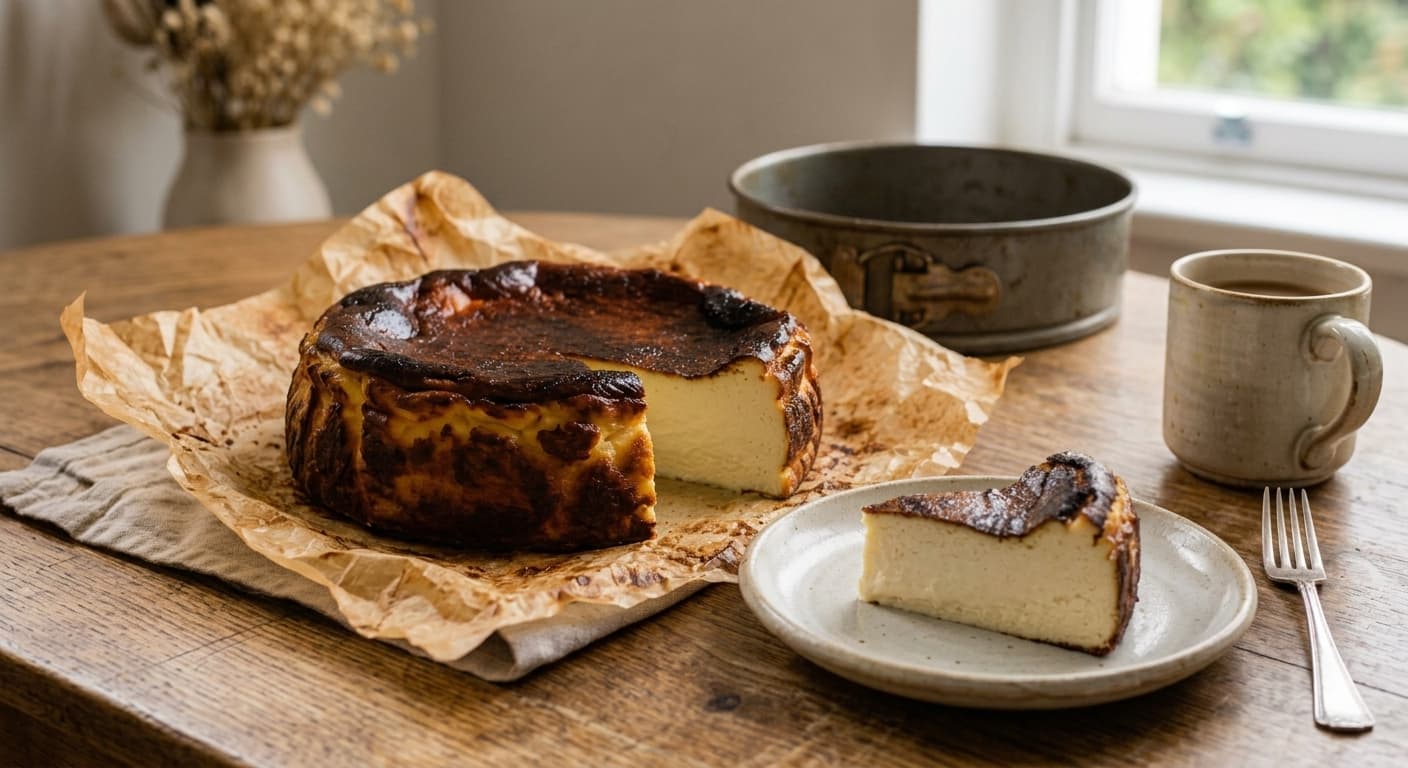
Authentic Basque Cheesecake Recipe
Make an authentic Basque cheesecake with a deeply caramelised top and creamy centre using the original five-ingredient La Viña-style formula.
20 minutes40 minutes (approximately) min total
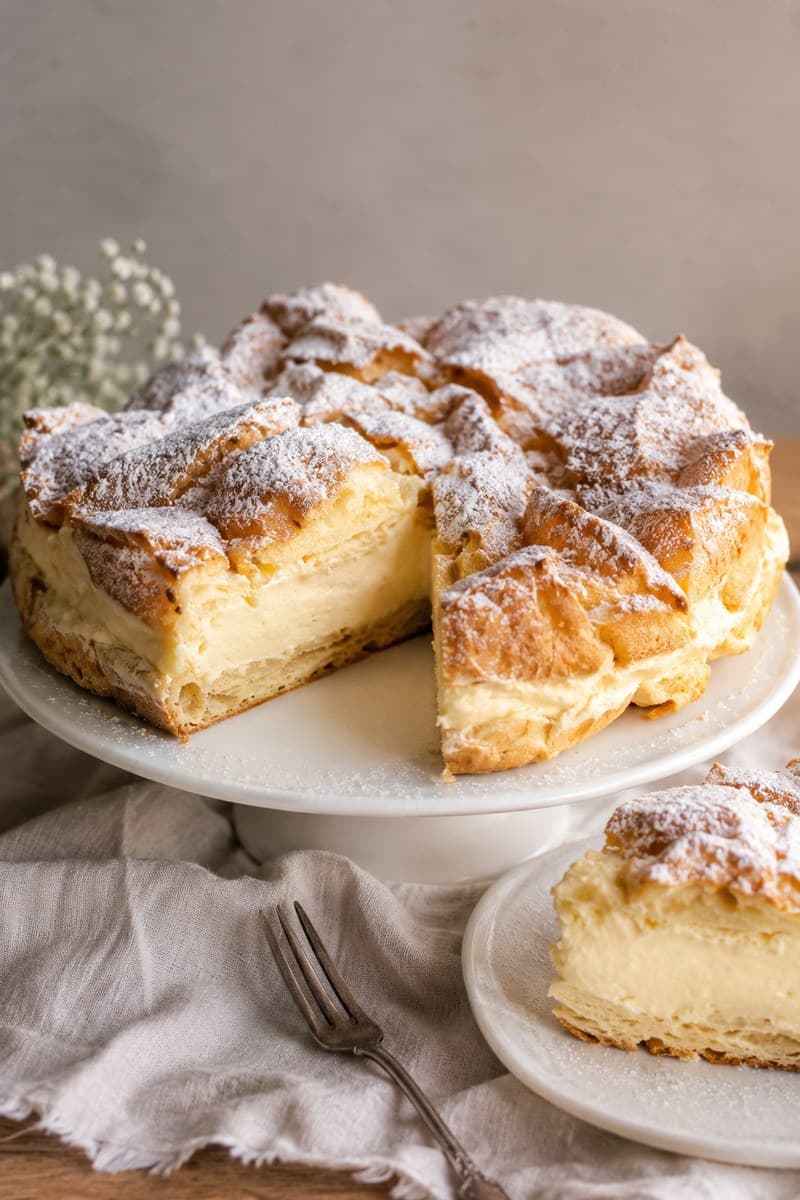
Karpatka Recipe: Polish Carpathian Mountain Cream Cake
Make traditional Polish karpatka with crisp choux pastry, smooth vanilla custard cream and a dusting of icing sugar.
35 minutes25-30 minutes per layer (At least 4 hours chilling time) min total
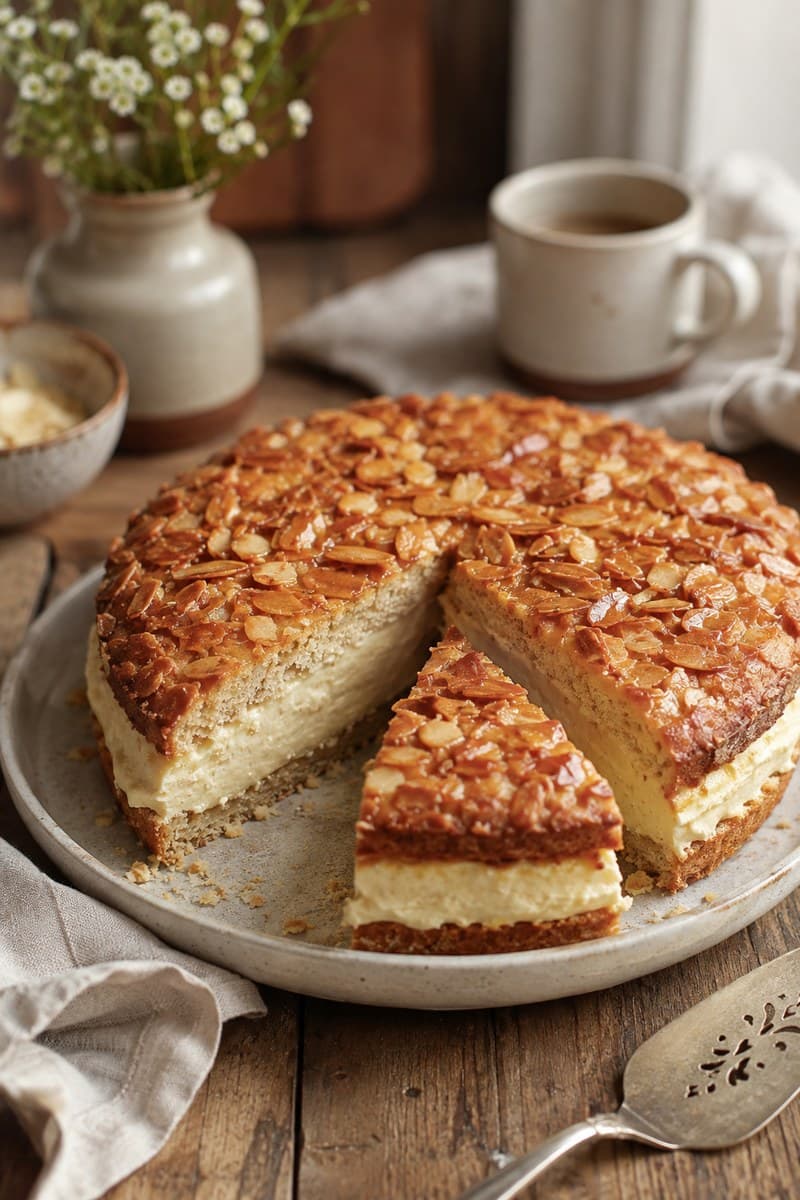
Bee Sting Cake Recipe
Make traditional German Bee Sting Cake with soft yeast dough, caramelised honey almonds and a light vanilla cream filling.
40 minutes, plus rising, cooling and chilling25-30 minutes min total
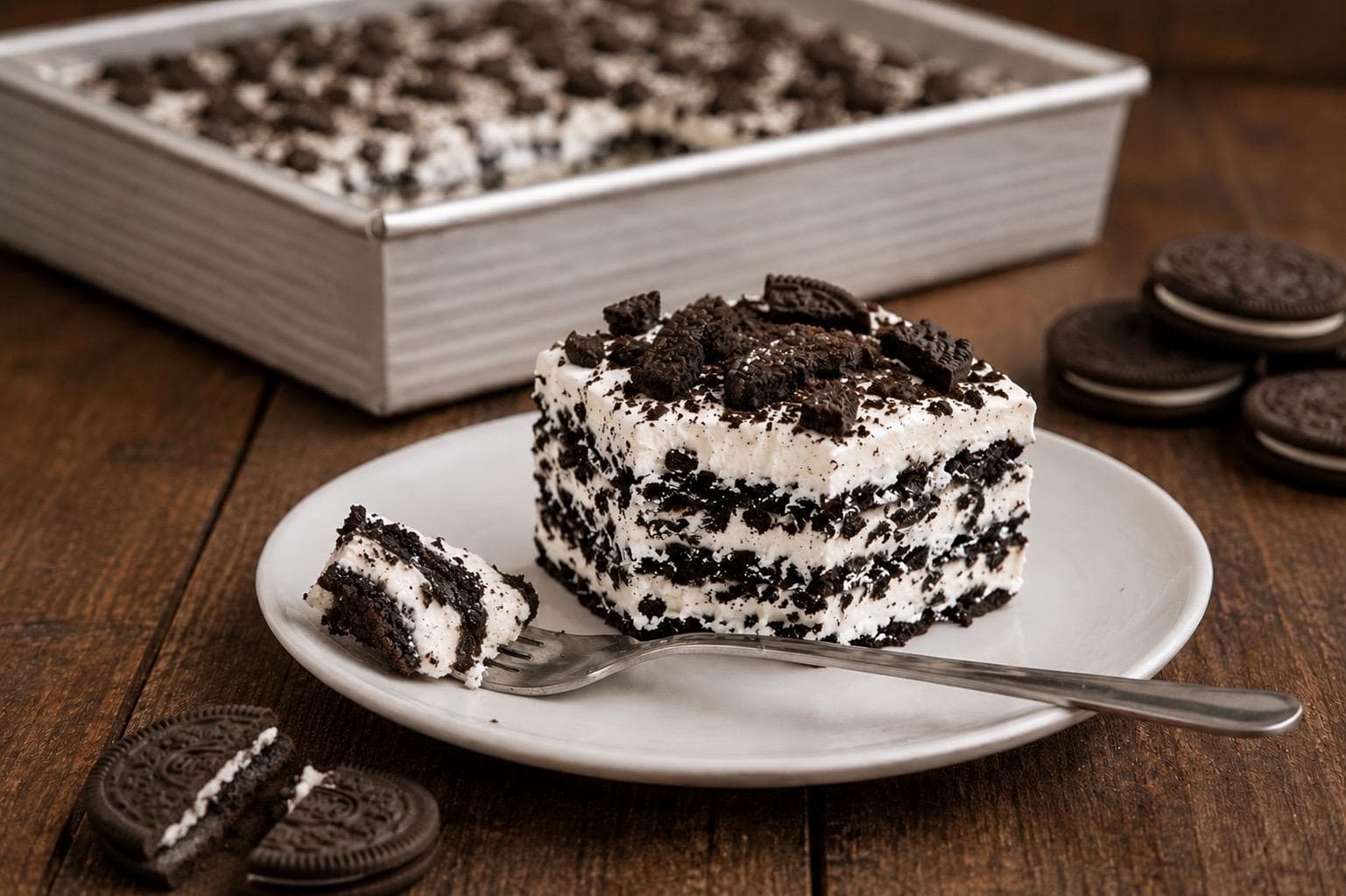
Icebox Cake: The No-Bake Classic That Changed Home Baking
Make a classic icebox cake with chocolate wafers and cream. Discover this authentic no-bake dessert from early 20th century American kitchens.
20 minutes No-bake (Just chill 6-8 hours or overnight) min total
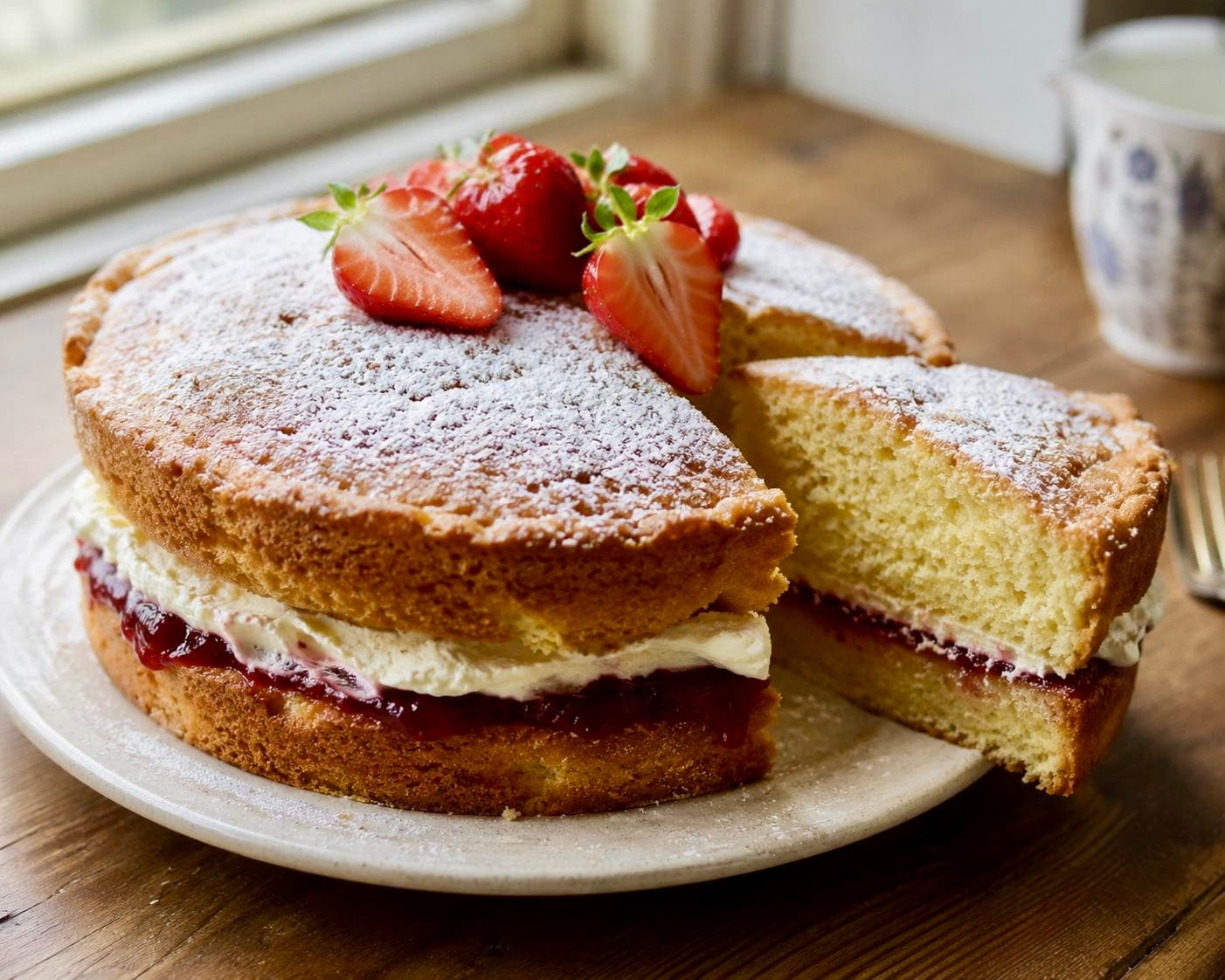
Classic Victoria Sponge Cake Recipe
Bake the perfect Victoria sponge cake with this classic recipe — soft sponge, jam, and cream, just as Queen Victoria enjoyed with her afternoon tea.
20 minutes20-25 minutes min total
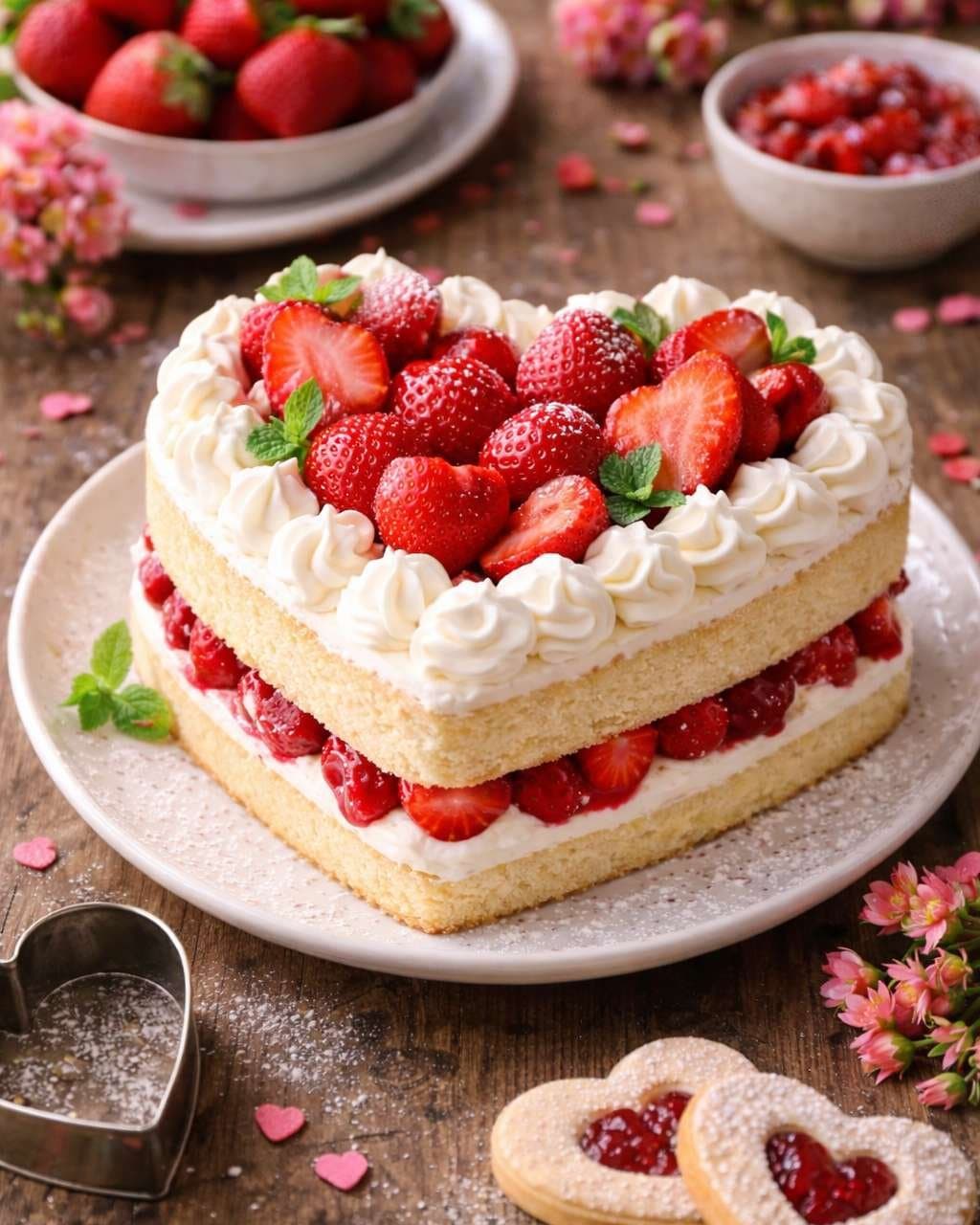
Heart-Shaped Strawberry Shortcake
Bake a heart-shaped strawberry shortcake with fresh cream and berries for a sweet, romantic dessert perfect for Valentine’s Day and special moments.
30 minutes20-22 minutes min total