Leavening Agents Explained
Yeast, baking powder, and baking soda — the science behind how baked goods rise.
Leavening makes baked goods rise by producing carbon dioxide gas that inflates the gluten network. Baking soda (bicarbonate of soda) needs an acid to activate, while baking powder contains its own acid and reacts in two stages. Yeast is a living organism that ferments sugars over time, producing both CO₂ and flavour compounds. Understanding these differences is essential to preventing flat cakes and dense breads.
Heritage & History
For most of baking history, yeast was the only leavening agent available — bakers kept living sourdough cultures or used commercial beer yeast. Baking soda became widely available in the early 19th century, followed by baking powder in the 1850s. These chemical leaveners democratised home baking, making cakes and quick breads achievable without yeast fermentation skills.
Types of Leavening Agents
Baking Soda (Bicarbonate of Soda)
Pure alkaline compound. Needs an acidic ingredient (buttermilk, yoghurt, honey, vinegar, cocoa) to activate. Creates an immediate reaction, so bake promptly.
Baking Powder
Baking soda pre-mixed with a dry acid (cream of tartar or sodium aluminium sulphate). Double-acting formulas react twice: when wet and again when heated.
Active Dry Yeast
Dormant yeast that must be proofed in warm liquid (100–110°F / 38–43°C) before use. Ideal for breads and enriched doughs.
Instant Yeast
Finer granules that can be added directly to dry ingredients without proofing. Works slightly faster than active dry yeast.
Essential Tips
Test baking powder freshness: add 1 teaspoon to hot water — it should bubble vigorously
Baking soda starts working immediately on contact with acid and liquid — don't delay baking
Yeast is killed above 120°F (49°C) — always use lukewarm liquids
Never substitute baking soda for baking powder 1:1 — baking soda is 3–4× more powerful
Substitutions
1 teaspoon baking powder = 1/4 teaspoon baking soda + 1/2 teaspoon cream of tartar
Active dry yeast = instant yeast: use 25% less instant yeast than active dry
Yeast (for quick breads): cannot substitute — yeast breads require fermentation time; chemical leaveners make fundamentally different products
Common Questions About Leavening Agents
What is the difference between baking soda and baking powder?
Baking soda (bicarbonate of soda) is a pure alkaline compound that needs an acidic ingredient in the recipe (like buttermilk, yoghurt, lemon juice, or honey) to produce CO₂ and provide lift. Baking powder is a pre-made mixture of baking soda and a dry acid, so it can leaven recipes that contain no acidic ingredients. Using the wrong one, or the wrong amount, is one of the most common baking mistakes.
How do I know if my yeast is still active?
Proof your yeast before using it: dissolve 1 teaspoon of yeast and a pinch of sugar in 1/4 cup of warm water (100–110°F / 38–43°C). After 5–10 minutes it should foam and bubble visibly. If nothing happens, the yeast is dead. Store yeast in an airtight container in the fridge or freezer to extend its shelf life.
Why did my cake not rise even though I added baking powder?
Several things can prevent rise: expired baking powder (test it in hot water — it should bubble vigorously), over-mixing the batter (which develops gluten and deflates trapped air), opening the oven door too early (cold air collapses the structure before it sets), or baking at too low a temperature. Also check that the baking powder was mixed evenly through the dry ingredients.
Can I use baking soda instead of baking powder?
Yes, but only if you also add an acid to activate it. Replace 1 teaspoon of baking powder with 1/4 teaspoon baking soda plus 1/2 teaspoon cream of tartar, or use 1/4 teaspoon baking soda with 1/2 cup of buttermilk (reduce other liquids accordingly). Without an acid, baking soda won't activate and will leave a bitter, soapy taste.
Recipes with Leavening Agents
All recipes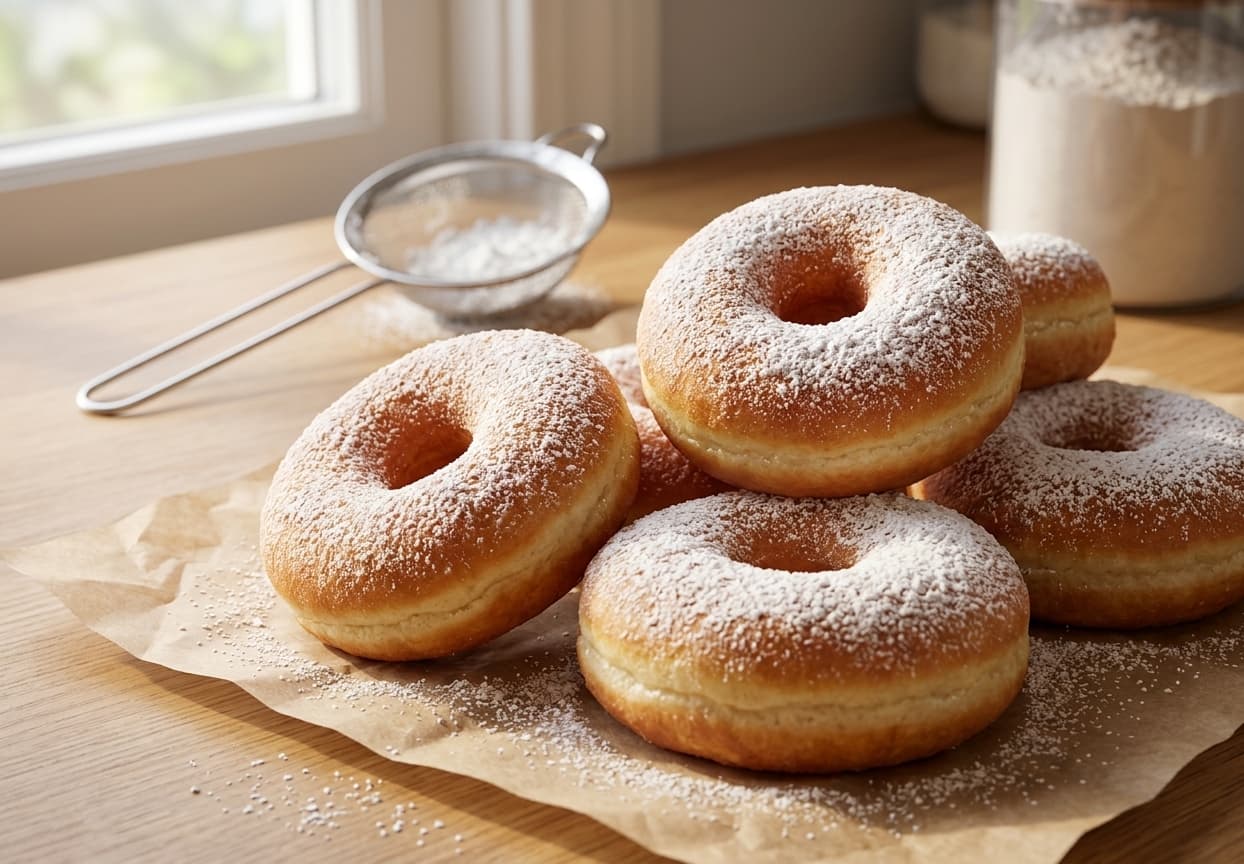
Classic Homemade Donuts Recipe
Soft, fluffy homemade doughnuts dusted with sugar. A classic yeast doughnut recipe with a light texture and golden finish.
20 minutes3 hours (including rest and frying time) min total
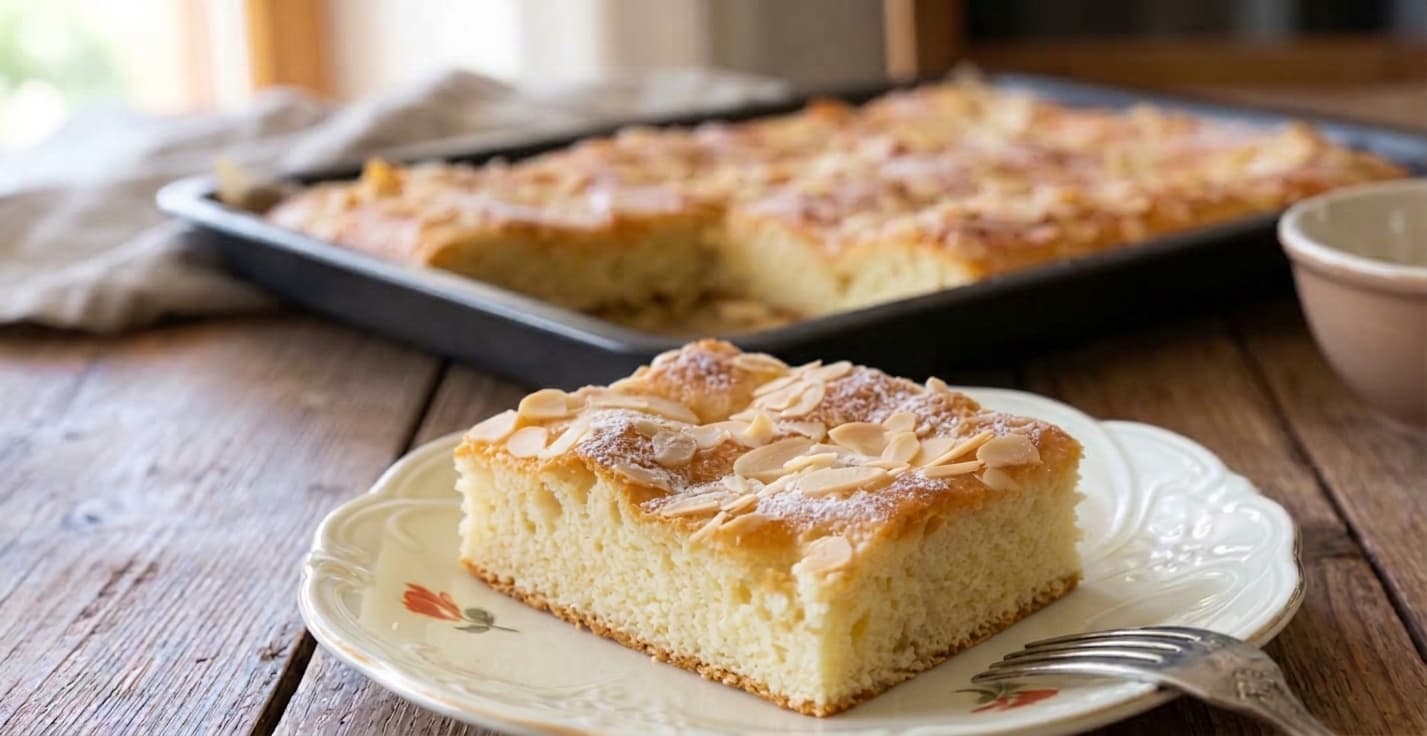
Traditional German Butterkuchen Recipe
Bake traditional German Butterkuchen with tender yeast dough, buttery dimples and a crisp almond-sugar topping. Perfect with coffee or tea.
25 minutes15-18 minutes (plus approximately 1 hour 20 minutes for proofing) min total
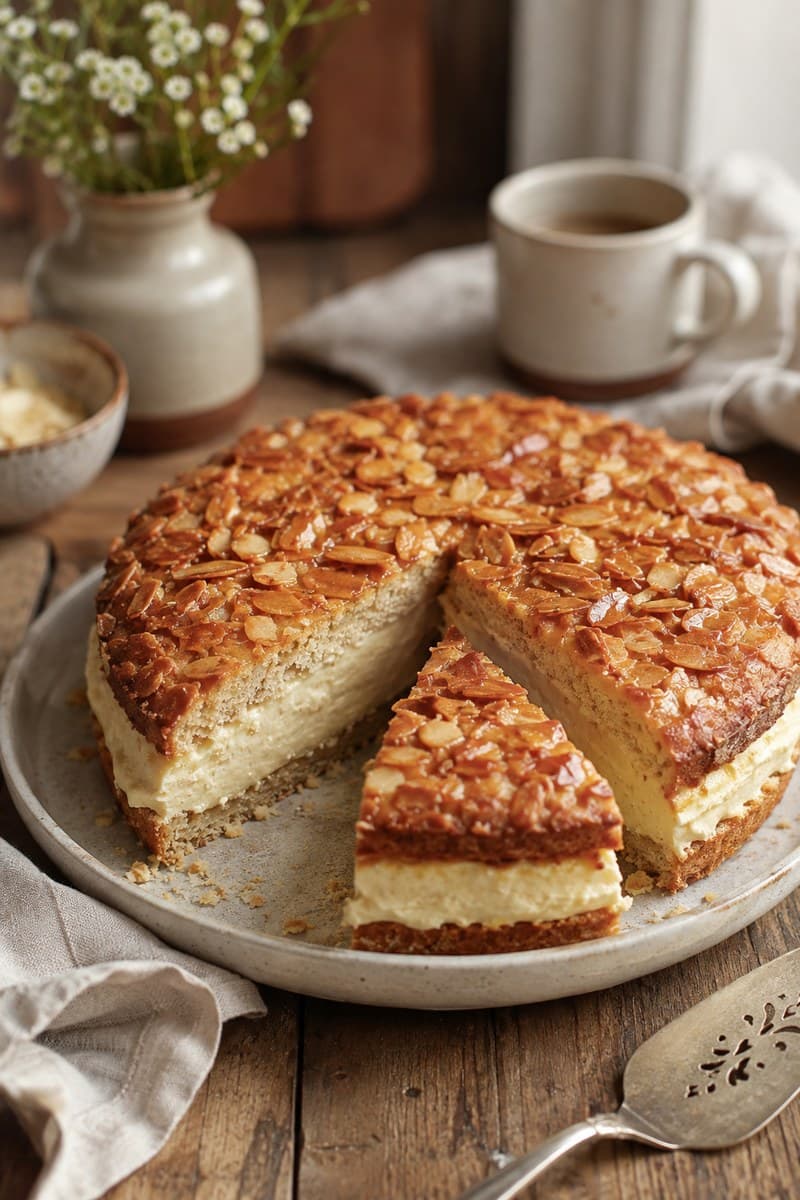
Bee Sting Cake Recipe
Make traditional German Bee Sting Cake with soft yeast dough, caramelised honey almonds and a light vanilla cream filling.
40 minutes, plus rising, cooling and chilling25-30 minutes min total
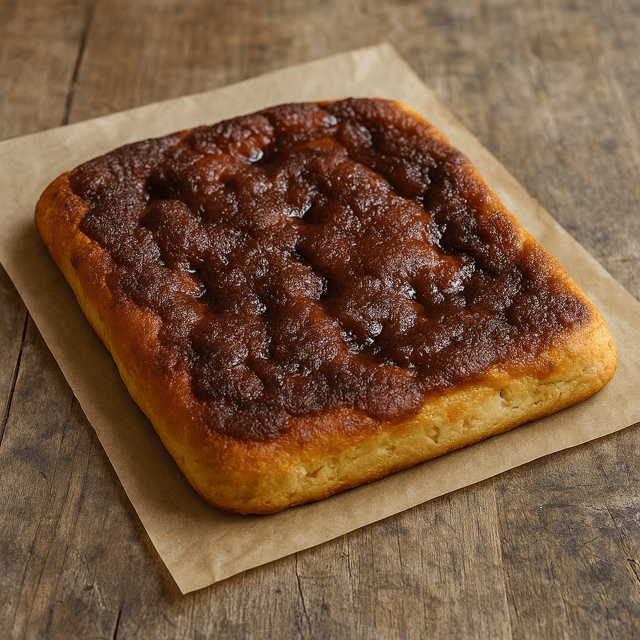
Brunsviger (Danish Sticky Coffee Cake)
Bake an authentic Danish brunsviger at home. This sticky-sweet coffee cake from Funen, Denmark features a soft yeast dough and caramelized brown sugar topping.
30 minutes 20 minutes min total