Around the World in 80 Bakes: Stop #63 — Hummingbird Cake
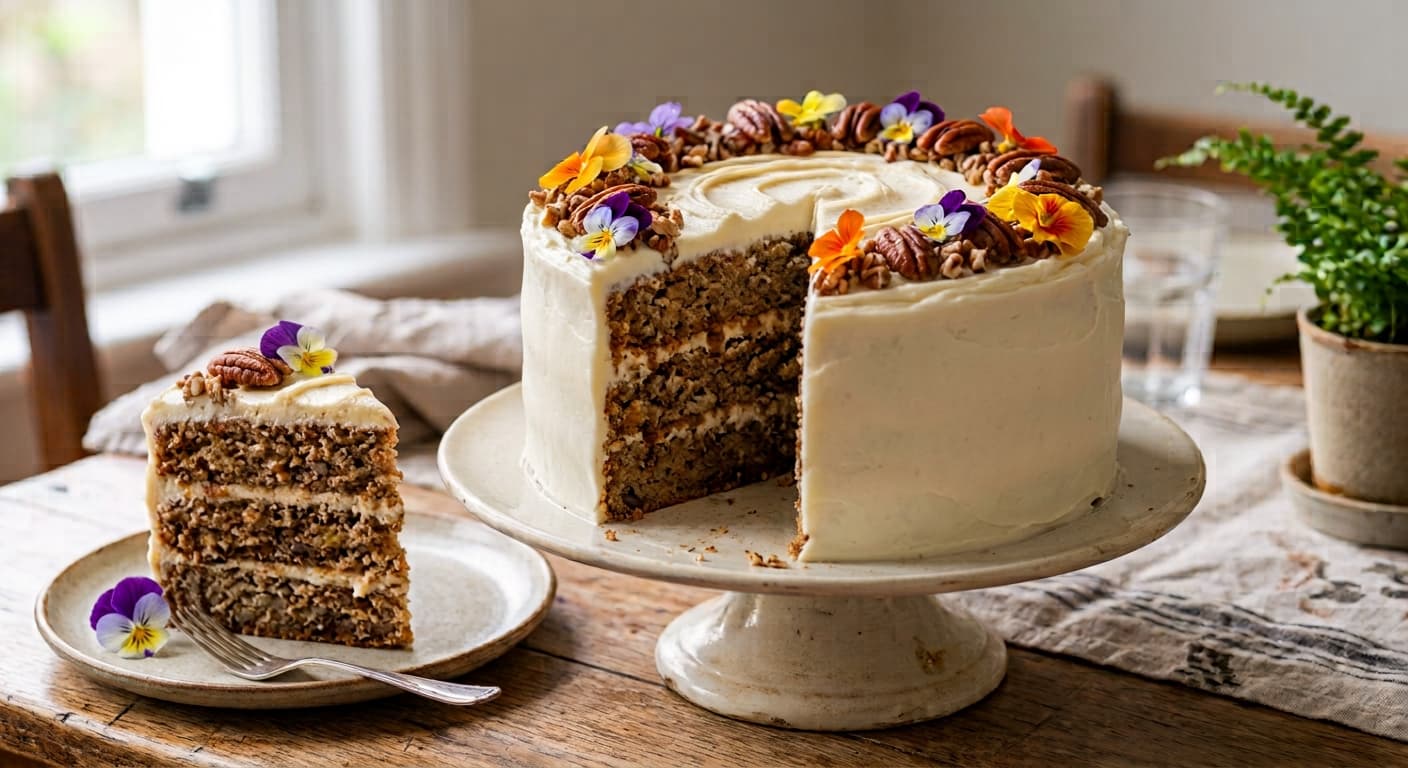
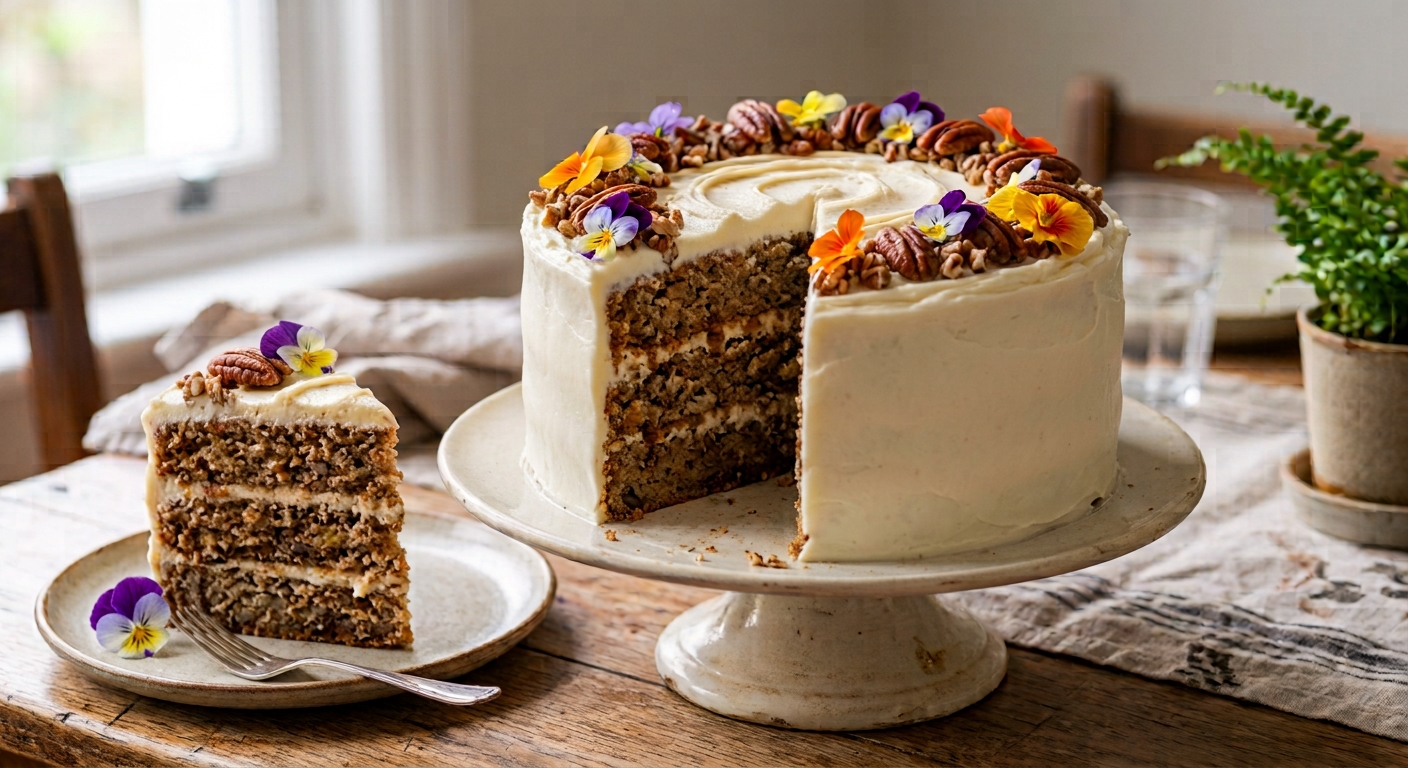
With banana, pineapple, cinnamon, pecans and cream cheese frosting, hummingbird cake is often regarded as a classic of the American South. Its story, however, begins in Jamaica.
Originally associated with a Jamaican bake called Doctor Bird cake, it reached the United States through promotional material and newspapers before finding fame in a 1978 issue of Southern Living.
The Jamaican doctor bird
The doctor bird, or red-billed streamertail, is a hummingbird found only in Jamaica and recognised as the country’s national bird. Its image was later used by Air Jamaica and became associated with a banana-and-pineapple cake promoted to American audiences during the late 1960s.
The cake’s precise creator is unknown. Although it is often claimed that the Jamaica Tourist Board created and distributed the recipe in 1968, the surviving evidence does not confirm this. It is more likely that Jamaican airline or tourism publicity helped introduce an existing or adapted recipe to American food writers.
In September 1969, The Charlotte Observer, a North Carolina newspaper, published a Doctor Bird Cake containing banana and crushed pineapple. It is one of the earliest documented American versions.
Why is it called hummingbird cake?
The most convincing explanation is that hummingbird cake inherited its name from Jamaica’s doctor bird. As the recipe became known outside Jamaica, the local nickname was gradually replaced by the more familiar word “hummingbird”.
More fanciful stories claim that the cake is sweet enough to attract hummingbirds, that people hover around it like birds around flowers, or that its flavour makes people hum with pleasure. These explanations are charming, but none is supported by firm historical evidence.
Doctor Bird cake arrives in America
The Doctor Bird Cake recipe published in 1969 differed from the modern layer cake. It was baked in a tube tin and contained banana and undrained crushed pineapple, but no nuts or frosting.
Related recipes soon appeared elsewhere. In February 1972, the Mexico Ledger in Missouri printed the same banana-and-pineapple cake under three names: Doctor Bird Cake, Tropical Treat Cake and A Cake That Doesn’t Last. It was still presented as an unfrosted tube cake.
The recipe suited American home baking of the period. It was simple to mix, while vegetable oil and fruit helped it remain soft and moist. Bananas and tinned pineapple also gave it a tropical character without requiring expensive or unfamiliar ingredients.
The 1978 recipe that made it famous
Hummingbird cake’s defining moment came in February 1978, when Southern Living published a recipe submitted by Mrs L. H. Wiggins of Greensboro, North Carolina.
Her version was baked as three layers and contained banana, crushed pineapple, cinnamon and chopped pecans. Cream cheese frosting covered and filled the layers, turning the simple fruit cake into an impressive celebration dessert.
It is unclear whether Mrs Wiggins devised these additions herself or adapted a version already circulating among American bakers. Her published recipe nevertheless brought hummingbird cake to a much wider audience.
It became enormously popular with Southern Living readers. The magazine selected it as its favourite recipe in 1990 and has since described it as one of the most requested recipes in its history.
How it became a Southern classic
The new version fitted naturally into Southern baking. Pecans were widely used throughout the region, while cream cheese frosting had become a familiar accompaniment to carrot cake and other spiced cakes.
Hummingbird cake soon appeared at birthdays, church suppers, family reunions and holiday gatherings. Its three layers looked generous and celebratory, yet the batter remained straightforward enough for home bakers.
Variations followed, with some recipes adding coconut, raisins or extra spices. Walnuts occasionally replaced the pecans, and the cake was adapted into Bundt cakes, traybakes, loaves and cupcakes. The frosted layer cake, however, remained the best-known form.
Is hummingbird cake traditionally Jamaican?
Hummingbird cake has a clear historical connection to Jamaica, although it is not as firmly established in everyday Jamaican baking as fruit cake, toto or gizzada. Some Jamaicans are unfamiliar with Doctor Bird cake, perhaps because it was developed or adapted partly to appeal to visitors from overseas.
It is therefore most accurate to describe hummingbird cake as Jamaican in origin and Southern American in its familiar form. Jamaica gave the cake its name, tropical identity and early banana-and-pineapple recipe. American bakers turned it into the pecan-filled layer cake with cream cheese frosting that is recognised today.
A cake with two identities
Hummingbird cake’s documented journey leads from Jamaica’s national bird and the island’s tourism publicity to an American newspaper in 1969 and Mrs L. H. Wiggins’s celebrated recipe nine years later.
Today, it belongs to both histories: a Jamaican-inspired fruit cake that acquired a new identity and lasting fame in the American South.
Bake our classic Hummingbird Cake Recipe, filled with banana, pineapple and pecans, then layered with rich cream cheese frosting.
References
Jamaica Tourist Board. “The History of Hummingbird Cake.”
Jamaica Information Service. “Jamaica’s National Bird.”
Southern Living. “The History of Southern Hummingbird Cake.”
Southern Living. “The Mystery of the Hummingbird Cake.”
Epicurious. “The Real Story of the Hummingbird Cake Starts in 1960s Jamaica.”
Byrn, Anne. American Cake: From Colonial Gingerbread to Classic Layer, the Stories and Recipes Behind More Than 125 of Our Best-Loved Cakes. Rodale, 2016.