
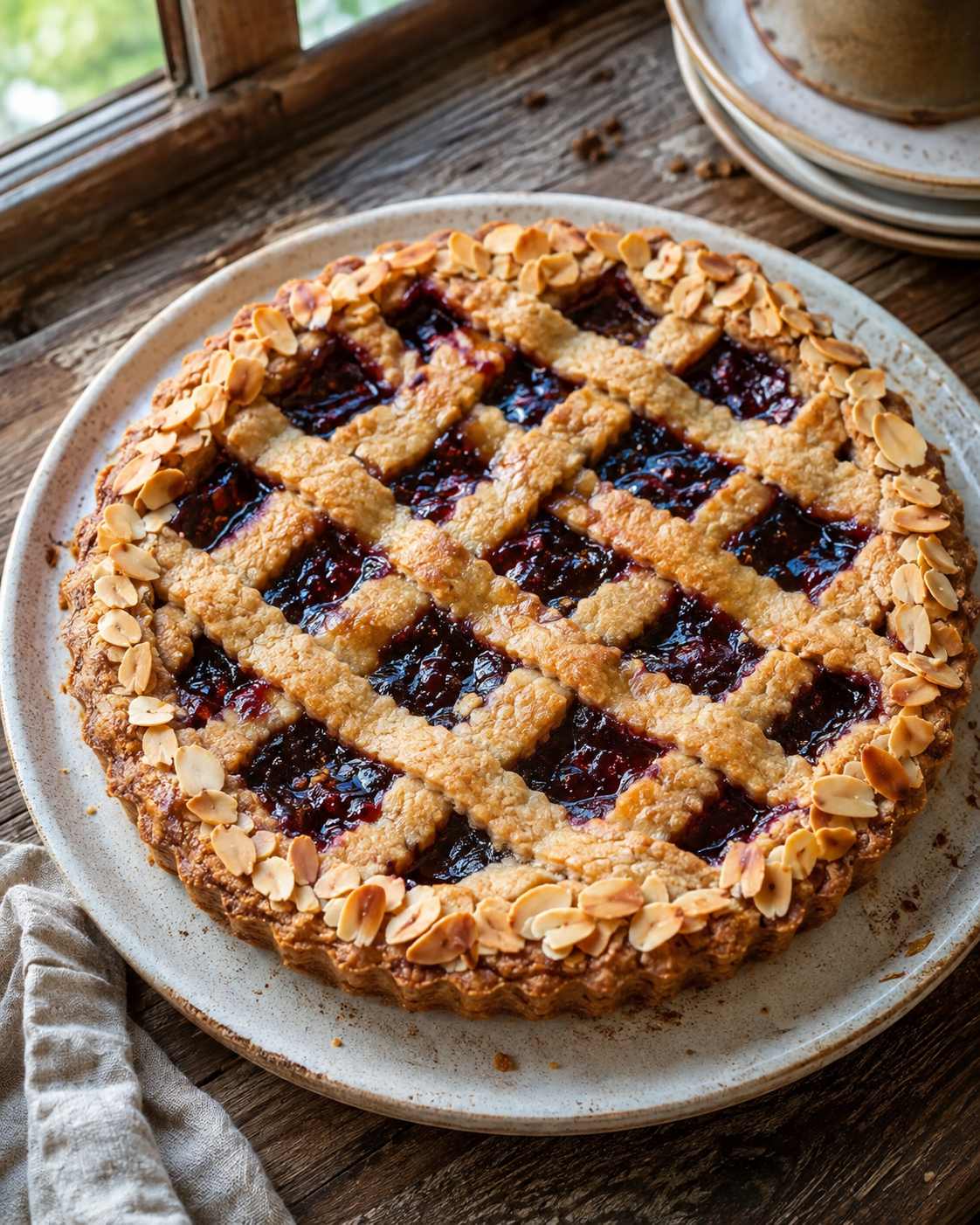
Around the World in 80 Bakes: Stop #56 — Linzer Torte
Few desserts can trace their history back more than three centuries. The Linzer Torte is one of those rare exceptions. With its buttery pastry, fragrant spices, ground nuts and tart fruit preserves, it has remained remarkably faithful to its original form. Today it is recognised as Austria’s most famous cake, yet its story begins long before modern cafés and bakeries.
The Birth of the Linzer Torte
The Linzer Torte takes its name from Linz, the capital of Upper Austria. Situated on the banks of the Danube River, Linz was an important trading centre throughout the Middle Ages. Merchants travelling through the city brought luxury ingredients from across Europe and beyond, including cinnamon, cloves, almonds and other prized spices that gradually found their way into local baking.
Unlike many traditional desserts whose beginnings have been lost to time, the Linzer Torte has an unusually well-documented history.
The oldest surviving handwritten recipe dates to 1653 and appears in the cookery book of Countess Anna Margarita Sagramosa of Verona. Today, the manuscript is preserved in the library of Admont Abbey in Austria. Culinary historians regard it as the oldest known surviving written recipe for a cake bearing its own name. Remarkably, the manuscript already contains four recipes referring to “Linz” or “Linzer” cakes, showing that they were already well established by the mid-17th century.
A Cake for Special Occasions
During the 17th century, ingredients such as cinnamon, cloves, almonds and sugar were expensive luxuries. As a result, the Linzer Torte was not an everyday bake. It was prepared for celebrations, religious festivals and important family gatherings, where its rich ingredients reflected both hospitality and prosperity.
Early recipes commonly used redcurrant preserves, although raspberry gradually became the preferred filling over time. Today, raspberry jam is the version most often associated with the cake, although regional variations continue to exist.
What Makes a Linzer Torte Special?
The pastry itself sets the Linzer Torte apart from many other traditional cakes. Rather than relying solely on flour, the dough contains a generous amount of finely ground nuts. Almonds were used in the earliest recipes, while modern versions often include hazelnuts or a mixture of both.
Warm spices such as cinnamon and cloves, together with a little lemon zest, give the pastry its distinctive aroma.
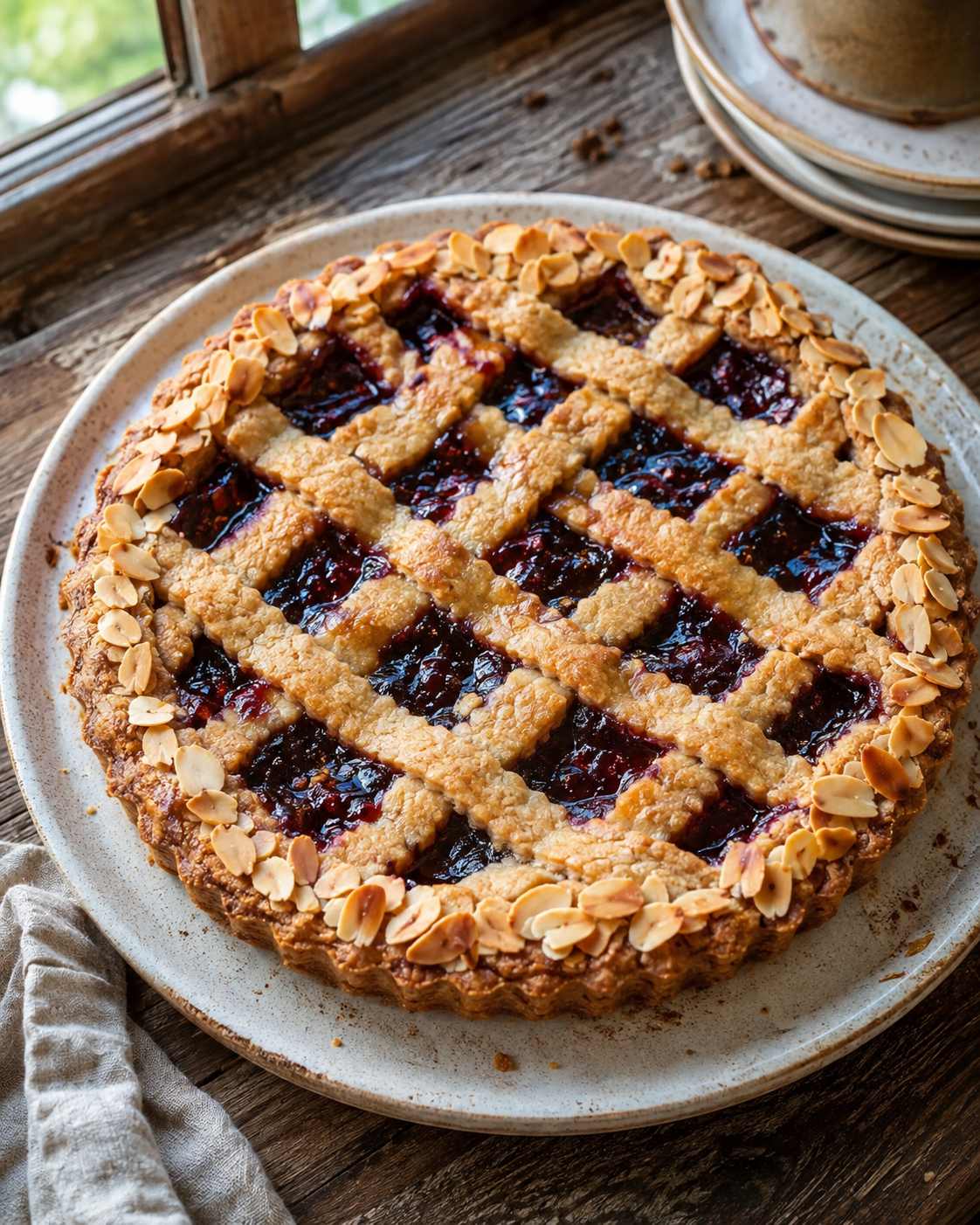
The finished cake is instantly recognisable by its decorative lattice top, created from strips of pastry laid over the fruit preserves. Many bakers also sprinkle flaked almonds around the edge before baking.
From Linz to the Wider World
During the 19th century, the Linzer Torte became closely associated with the confectioner Johann Konrad Vogel, who settled in Linz in 1822. Although he did not invent the cake, he refined its preparation and helped establish it as the city’s signature speciality through commercial production.
The recipe also travelled overseas with Austrian emigrants. One of the earliest documented bakers to make the Linzer Torte in the United States was Franz Hölzlhuber, who established a bakery in Milwaukee during the mid-19th century. From there, the cake gradually became familiar within Central European immigrant communities across America.
As the recipe spread, local adaptations naturally appeared. Some bakers preferred hazelnuts instead of almonds, while others experimented with raspberry, blackcurrant, apricot or cranberry preserves depending on local tastes.
A Favourite at Christmas
Although enjoyed throughout the year, the Linzer Torte has become especially associated with Christmas in Austria, Germany, Switzerland and neighbouring countries.
Its warming spices and ruby-red fruit filling make it particularly suited to the festive season. Many families prepare the cake several days in advance, allowing the flavours to develop and the preserves to soften the pastry slightly.
The famous Linzer biscuits, also known as Linzer cookies, were inspired by the original cake. These sandwich biscuits feature two nut-based biscuits filled with jam, with the top biscuit cut into decorative shapes that reveal the vibrant filling beneath.
A Timeless Austrian Classic
More than three centuries after the earliest known recipe was written down, the Linzer Torte remains one of Europe’s most treasured cakes. Its distinctive lattice top, fragrant pastry and vibrant fruit filling have changed remarkably little over the years, a testament to the enduring appeal of a well-balanced recipe.
Although raspberry preserves are now the filling most commonly associated with the cake, earlier versions often featured redcurrants, reflecting the fruits available to local bakers at the time. Today, both professional pastry chefs and home bakers continue to prepare the Linzer Torte much as their predecessors did centuries ago.
Few desserts can claim such an extraordinary legacy. Named after one of Austria’s oldest cities and based on the oldest known surviving written recipe for a cake bearing its own name, the Linzer Torte offers more than a delicious slice of cake. It provides a rare connection to the history of European baking, reminding us that some recipes become classics simply because they are worth making again and again.
Now that you’ve discovered the history of the Linzer Torte, why not bake one yourself? Try our Traditional Linzer Torte Recipe and enjoy a taste of Austrian baking heritage.
References: Admont Abbey. Oldest Cake Recipe in the World; Austrian Federal Ministry of Agriculture, Forestry, Climate and Environmental Protection, Regions and Water Management. Linzer Torte (Traditional Foods Register); Linz Tourism. Linzer Torte – The Sweet Ambassador of Linz; Austria.info. Linzer Cake (Recipe and History).