Make an easy cherry clafoutis with fresh, frozen or canned cherries baked in a soft, custard-like batter. A simple classic French dessert.
Cherry clafoutis is a simple French dessert in which ripe cherries are baked in a lightly sweetened batter until the edges are puffed and golden and the centre has the soft texture of baked custard.
It requires no pastry, layering or elaborate decoration, yet it looks elegant enough to serve after a special meal. It is also a lovely way to make use of fresh cherries when they are at their seasonal best.
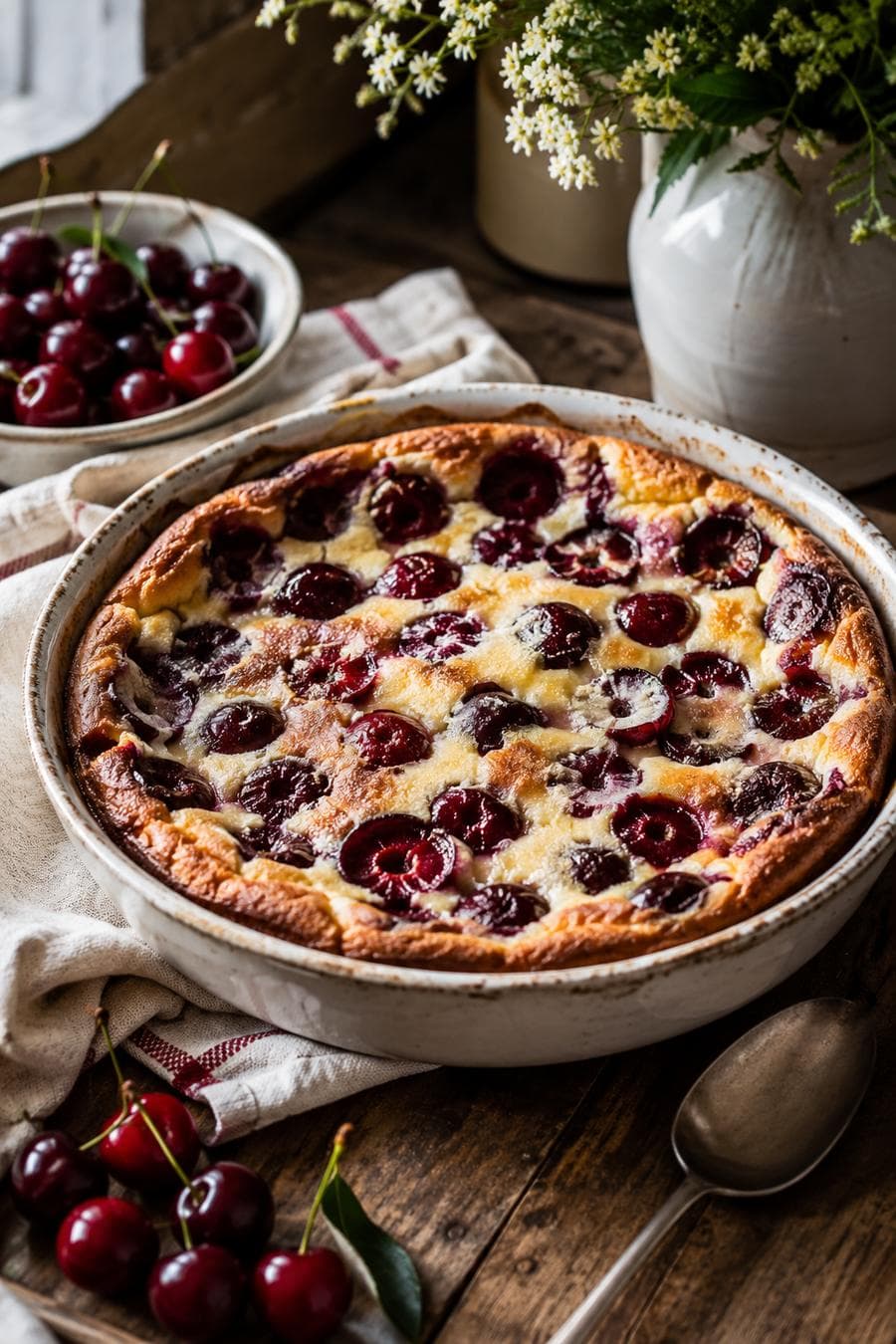
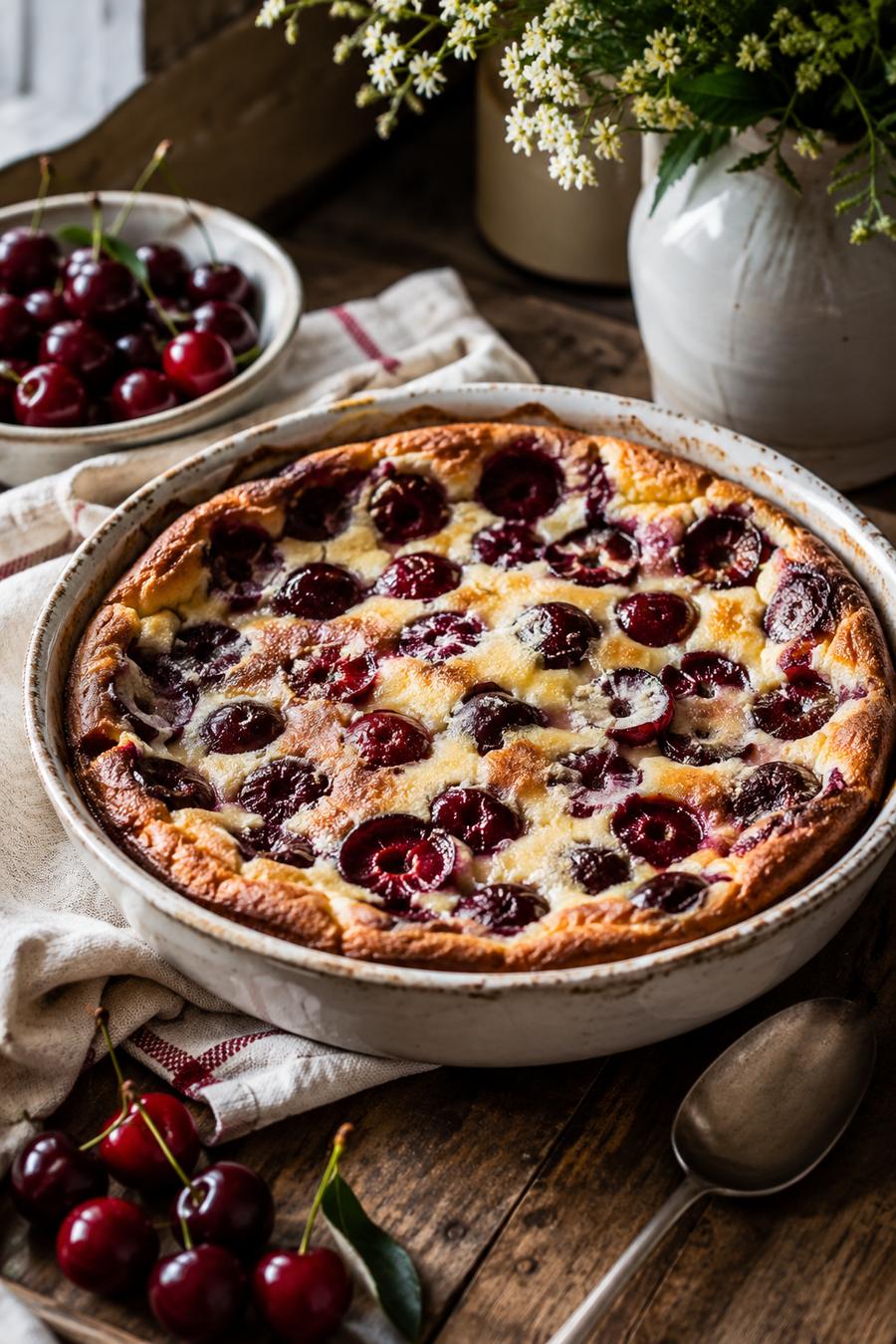
A classic cherry clafoutis with juicy cherries baked in a lightly sweetened, custard-like batter.
Recommended Tools and Tips
A shallow Ceramic Baking Dish or Glass Baking Dish is the best choice for cherry clafoutis because it allows the batter to cook evenly while the edges become lightly golden. A round dish measuring around 23 cm is suitable for this recipe. Avoid using a deep casserole dish, as the centre may take too long to set.
A Cherry Pitter makes preparing fresh cherries much quicker and less messy. Without one, a sturdy drinking straw can be used to push out the stones.
Use a Balloon Whisk to combine the batter smoothly without incorporating too much air. The batter should be thin and fluid, similar to crêpe batter. A blender may also be used, but blend only briefly and allow the batter to rest for five to ten minutes before baking.
A Fine Sieve is useful if the batter contains small lumps. Straining it directly over the prepared cherries produces a smoother, more delicate clafoutis.
When using canned or frozen cherries, drain them thoroughly and pat them dry with kitchen paper. Excess moisture can thin the batter and leave watery patches around the fruit.
Use room-temperature eggs and milk whenever possible. Ingredients at a similar temperature combine more easily and help prevent the melted butter from solidifying in the batter.
Do not overbake the clafoutis. The edges should be puffed and golden, while the centre should retain a slight wobble. It will continue to set as it rests and will naturally sink slightly as it cools.
Allow the clafoutis to rest for at least 15 minutes before serving. This gives the custard time to settle and makes it easier to cut into neat portions.
Should You Remove the Cherry Stones?
Traditional clafoutis from the Limousin region of France is made with whole, unpitted cherries. The stones are said to contribute a subtle almond-like aroma as the fruit bakes. Leaving them inside also helps the cherries retain their shape and juices.
For everyday home baking, however, I prefer to remove the stones. This makes the clafoutis easier and safer to eat, particularly when serving it to children or guests who may not expect stones in the fruit.
Fresh, ripe cherries provide the best flavour. Choose fruit that feels firm and looks glossy and deeply coloured, without bruised or shrivelled areas.
Sweet cherries produce a mild and rounded dessert, while slightly tart cherries create a stronger contrast with the sweet custard. A mixture of both can be especially good.
Wash the cherries and dry them thoroughly before using them. Excess water can dilute the batter and create watery areas around the fruit.
How to Tell When Clafoutis Is Baked
Clafoutis naturally puffs as it bakes and then sinks as it cools. This is expected and does not mean that anything has gone wrong.
The clafoutis is ready when the edges are raised and golden brown, the surface no longer appears wet and the centre has only a slight wobble. A thin knife inserted near the centre should come out without raw batter clinging to it.
Avoid baking the dessert until it feels completely firm. The residual heat from the baking dish will continue to cook the custard after it has been removed from the oven.
Can You Use Canned Cherries?
Canned cherries are a convenient option when fresh cherries are out of season. Choose pitted cherries canned in juice where possible, rather than cherry pie filling, which contains thickeners and added sugar.
Drain the cherries thoroughly and pat them dry with kitchen paper before using them. If they are packed in heavy syrup, rinse them briefly under cold water before drying.
Canned cherries are softer than fresh ones and may release more liquid while baking. The finished clafoutis may therefore have a slightly softer texture around the fruit, but its flavour will still be delicious.
Can You Use Frozen Cherries?
Frozen cherries can also be used when fresh fruit is unavailable. Defrost the cherries completely, drain away the released juice and pat the fruit dry before arranging it in the baking dish.
Frozen cherries generally release more moisture than fresh ones, even after draining. The clafoutis may therefore need a few additional minutes in the oven and can have a slightly softer texture around the fruit.
How to Store Cherry Clafoutis
Clafoutis is best eaten on the day it is baked, once it has cooled to warm or room temperature.
Cover any leftovers and store them in the refrigerator for up to two days. Allow individual portions to stand at room temperature for around 20 minutes before serving, or warm them gently in a low oven.
The custard will become firmer after refrigeration, although its flavour will remain good.
Freezing is not recommended. Custard-based desserts can release water and develop a grainy or rubbery texture after thawing.
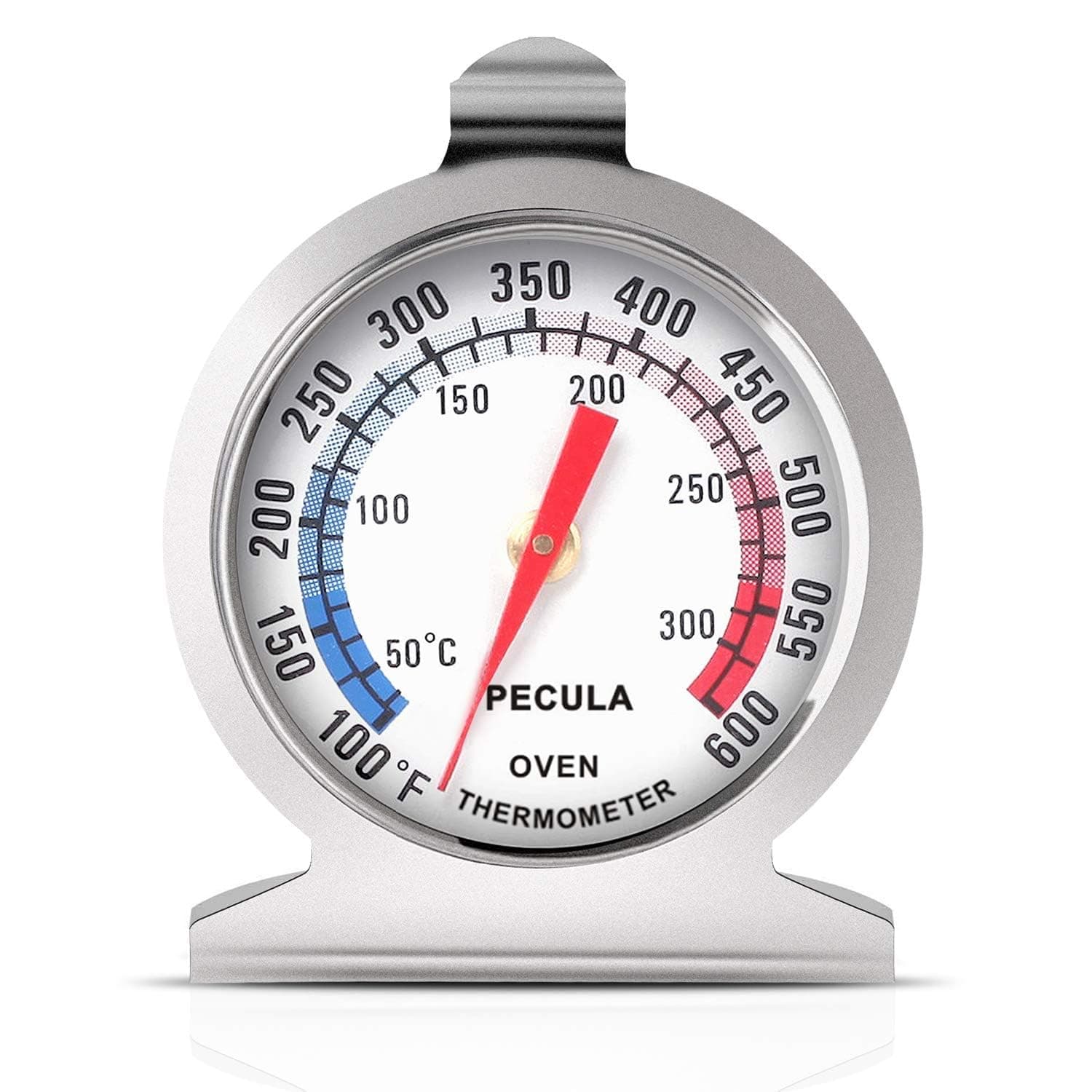
Preheat the oven to 180°C conventional or 160°C fan. Generously butter the base and sides of a 23 cm shallow baking dish.
2
If using fresh cherries, wash and dry them before removing their stalks and stones. If using canned cherries, drain them thoroughly in a sieve and gently pat them dry with kitchen paper. Arrange the cherries in a single layer across the prepared dish.
3
Place the eggs and caster sugar in a mixing bowl. Whisk for about one minute, until thoroughly combined and slightly frothy. There is no need to incorporate a large amount of air.
4
Add the vanilla extract and almond extract, if using.
5
Sift in the flour and salt. Whisk gently until you have a smooth, thick mixture.
6
Gradually pour in the milk and cream, whisking continuously to prevent lumps from forming. Add the melted butter and whisk until the batter is completely smooth. It should have a thin consistency similar to crêpe batter.
7
Slowly pour the batter over and around the cherries. Some of the fruit may float slightly towards the surface.
8
Bake for 35 to 40 minutes, until the edges are puffed and golden and the centre is just set. The middle may still have a gentle wobble when the dish is moved, but it should no longer look liquid.
9
Leave the clafoutis to rest for 15 to 20 minutes. It will gradually settle as it cools.
10
Dust lightly with icing sugar and serve warm or at room temperature.