
Traditional Kueh Neng Ko Recipe

Traditional Kueh Neng Ko Recipe

ByWei Ling
3 min
0.0(0)
Prep Time
30 minutes
Cook Time
40 minutes
Total Time
70 min
Servings
6

Make traditional kueh neng ko, a light Chinese steamed egg cake prepared with just eggs, sugar and flour and finished with its distinctive split top.

Kueh neng ko, also known as ji dan gao, is an old-fashioned Chinese steamed egg cake made from just three main ingredients: eggs, sugar and flour. It has a soft, airy crumb, a gently sweet flavour and the distinctive aroma of eggs.

When I was growing up in Singapore, my mother made this cake using a wooden-handled spiral whisk. She beat the eggs and sugar entirely by hand, incorporating the air needed to make the cake rise. An electric mixer makes the work considerably easier today, but the recipe still depends on thorough whisking and careful folding.

This traditional version contains no butter, oil, baking powder or fizzy water. Its simplicity is part of its enduring charm.

Discover the story behind this traditional steamed egg cake in Kueh Neng Ko: The History of Singapore’s Steamed Egg Cake.

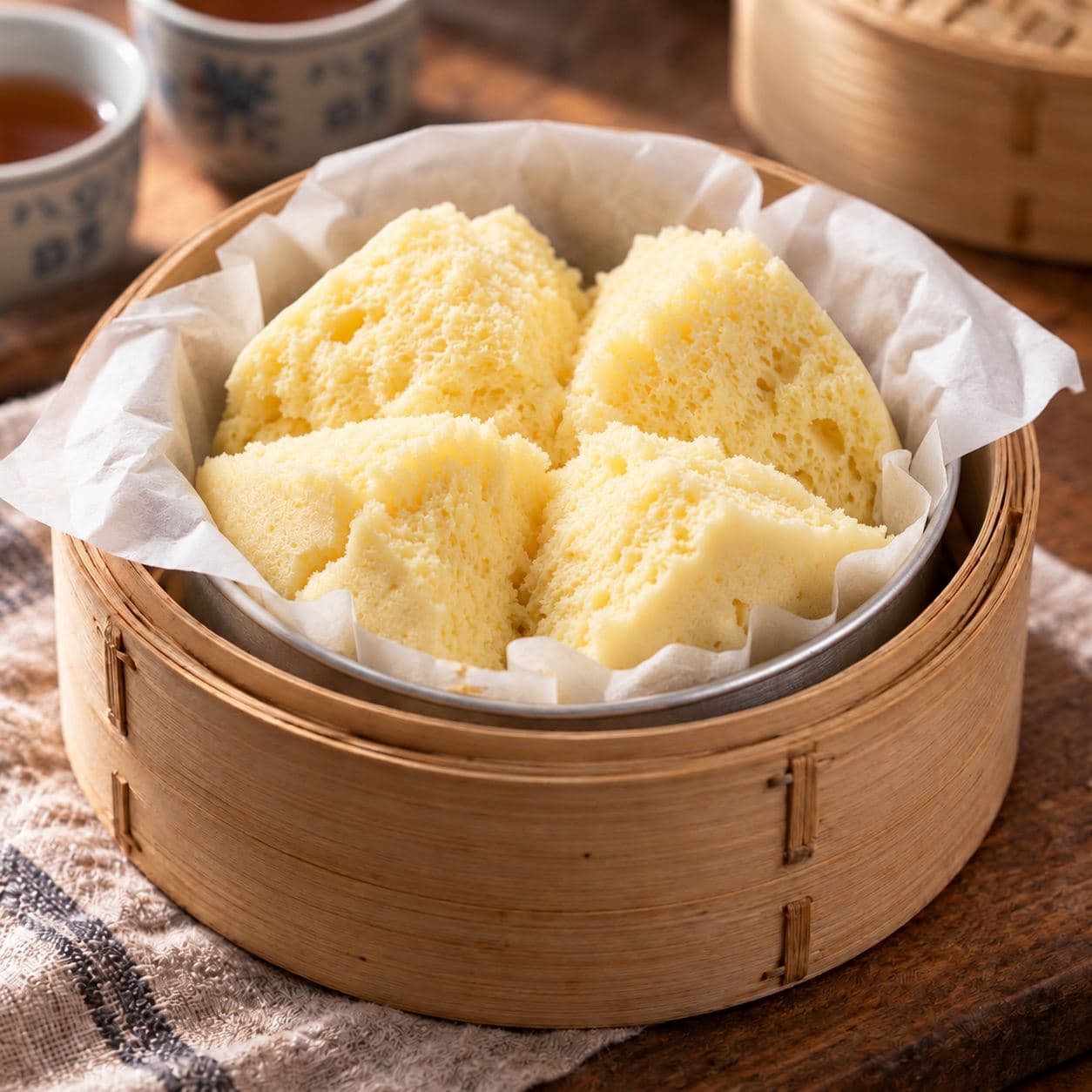
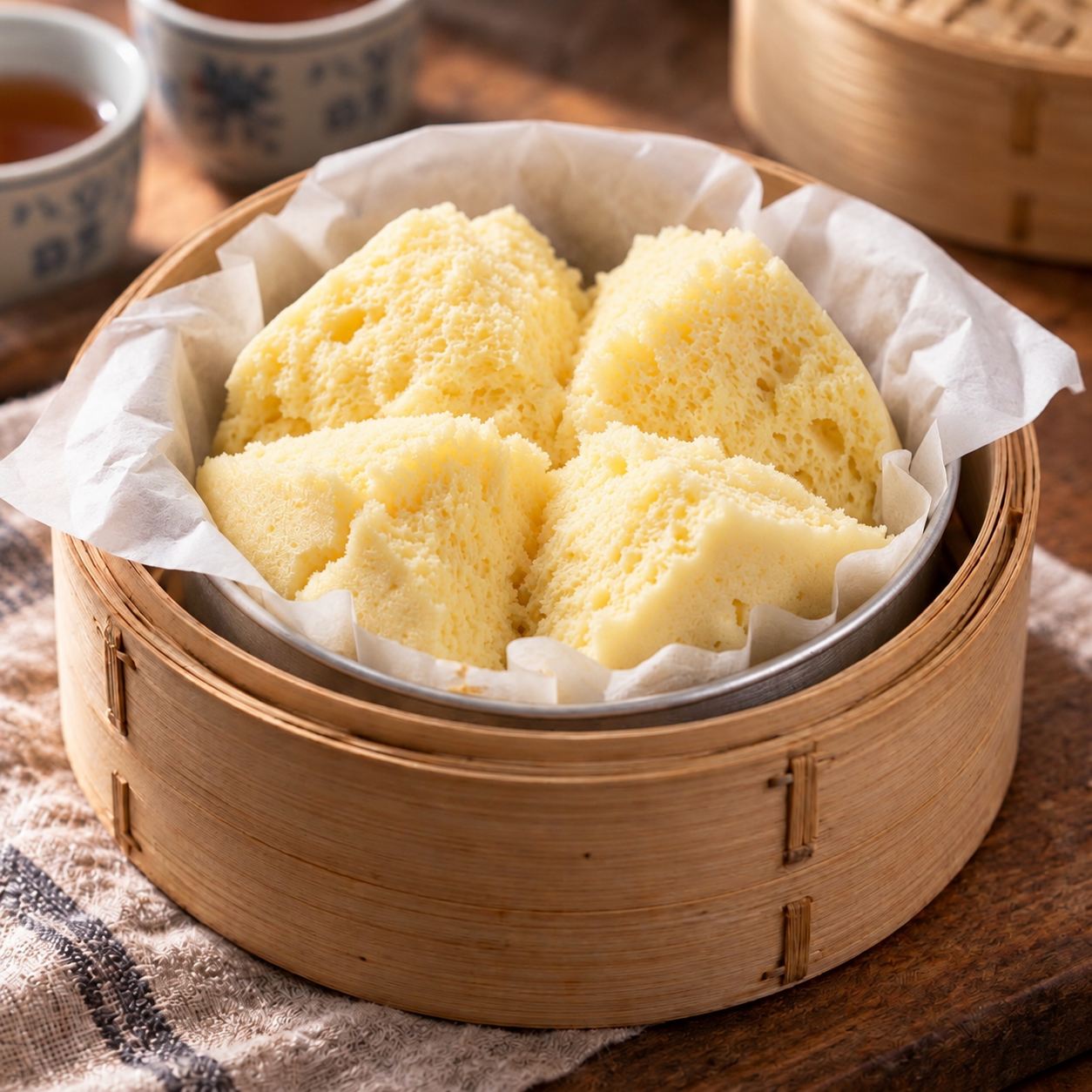
Traditional kueh neng ko with a split top in a round cake tin inside a bamboo steamer.
Traditional kueh neng ko steamed in a parchment-lined tin until tall and pale yellow, with its characteristic split top.

Recommended Tools & Tips

Use a 20cm Round Cake Tin at least 5 cm deep, placed inside a Bamboo Steaming Basket or large lidded steamer. Line the tin completely with Baking Parchment, allowing the paper to extend above the rim to support the cake as it rises. Avoid a springform tin because the batter may leak.

The eggs must reach a stable ribbon stage before the flour is added. When the whisk is lifted, the mixture should fall in a thick ribbon and remain briefly visible on the surface. The volume should also have at least doubled.

Mixer strengths vary, so use the appearance of the mixture rather than the whisking time alone. Begin checking after 8 minutes. Most modern stand mixers will take approximately 10–15 minutes, while an electric hand mixer may take longer.

Use a large Silicone Spatula to fold the flour into the egg mixture slowly and gently. Vigorous mixing will remove the incorporated air that gives the cake its light texture.

The generous quantity of sugar helps to sweeten the cake and stabilise the egg foam. Avoid reducing it before successfully making the original version.

The top may split naturally during steaming, but this three-ingredient recipe is not designed to guarantee the dramatic “smile” produced by some versions that use fizzy water and a cross of sugar.

Storage

Allow the cake to cool completely before storing it. Keep it in an airtight container at room temperature for up to one day or refrigerate it for up to three days.

The cake will become firmer once chilled. Steam individual slices briefly before serving to soften them again.

Traditional Kueh Neng Ko Recipe

Prep: 30 minutesCook: 40 minutesServes: 6

Instructions

  1. 1

    Line a 20 cm round aluminium cake tin with baking parchment, covering the base and sides and allowing the paper to extend above the rim.

  2. 2

    Prepare a large steamer or wok fitted with a steaming rack. Add enough water to steam the cake continuously for 40 minutes, making sure the water will not touch the base of the cake tin.

  3. 3

    Sift the flour twice and set it aside.

  4. 4

    Place the eggs and sugar in a large mixing bowl. Beat on low speed for 2 minutes, then increase to medium-high speed.

  5. 5

    Continue whisking until the mixture has at least doubled in volume and become very pale, thick and creamy. Begin checking after 8 minutes; most modern stand mixers will take approximately 10–15 minutes.

  6. 6

    Lift the whisk and allow some mixture to fall back into the bowl. It should leave a figure of eight on the surface that remains visible for several seconds before disappearing.

  7. 7

    Reduce the mixer to low speed and beat for a further minute to refine the air bubbles.

  8. 8

    Meanwhile, bring the water in the steamer to a vigorous boil.

  9. 9

    Add the sifted flour to the egg mixture in three additions. Fold each addition in gently with a large silicone spatula, reaching down to the base of the bowl. Stop as soon as no visible pockets of flour remain.

  10. 10

    Pour the batter into the prepared tin and smooth the surface gently.

  11. 11

    Sprinkle about 1 tablespoon of caster sugar over the batter in a clear cross, going over each line two or three times. Transfer the cake to the hot steamer immediately so the sugar does not sink.

  12. 12

    Place the tin on the steaming rack or inside the bamboo steaming basket. Cover with a tall, closely fitting lid and steam over high heat for approximately 40 minutes. Do not lift the lid while the cake is steaming.

  13. 13

    After 40 minutes, carefully lift the lid away from the cake so that condensed water does not drip onto its surface. Insert a skewer into the centre; it should emerge clean. If wet batter clings to it, replace the lid immediately and steam for a further 5 minutes before checking again.

  14. 14

    Once cooked, turn off the heat and leave the cake covered inside the steamer for 1 minute to allow its structure to settle.

  15. 15

    Remove the cake from the steamer and leave it to cool slightly. Lift it from the tin using the parchment and transfer it to a wire rack.

  16. 16

    Serve slightly warm or leave it to cool completely before slicing.

  17. 17

    Adapted from Sonia of Nasi Lemak Lover’s “Ah Mah’s Traditional Steamed Sponge Cake”, originally based on Jane Chew’s grandmother’s recipe.
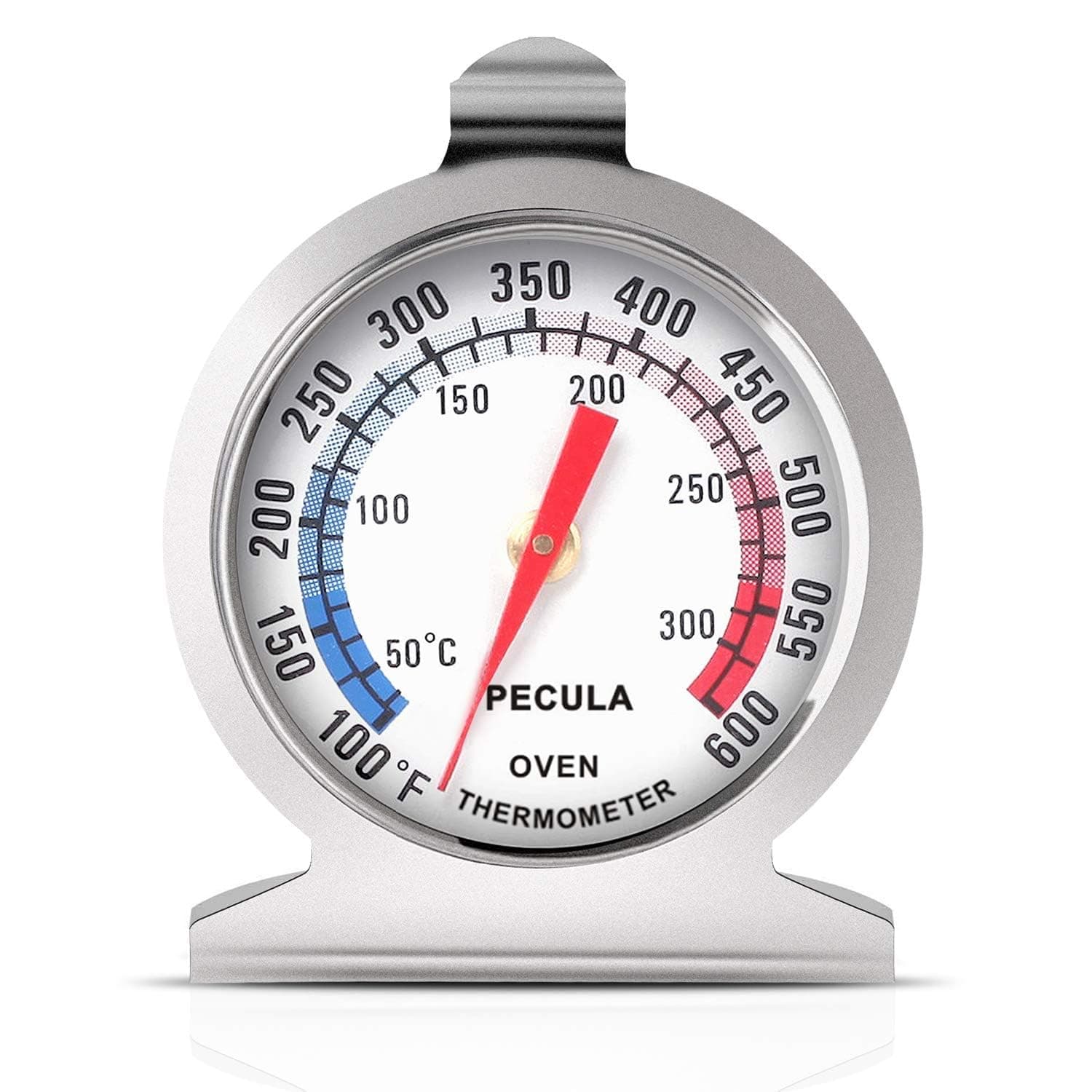
Oven Thermometer

Featured in our shop: Oven Thermometer

Shop Now